How to Read a Furniture Warranty Without Getting Caught Out
A furniture warranty can look reassuring on a product page and still leave several practical questions unanswered. In a Singapore HDB flat or condo, the missing details often concern lift dimensions, corridor turns, assembly difficulty, GST, and what happens after a replacement part is supplied. A 10-year structural warranty sounds substantial, but its real value depends on the terms attached to solid wood, joints, drawers, surfaces, and components supplied by other makers.

MIDHILL describes its structural coverage as 10 years, backed by a 10-year structural warranty and lifetime refinishing. Those are useful starting points, not a substitute for reading the warranty document line by line. The goal is to understand which failures qualify, who must carry out repairs, how claims are documented, and whether delivery or assembly exclusions affect the practical protection you receive.
This guide focuses on assembly difficulty as much as legal wording. A solid wood sofa, bed frame, dining table, wardrobe, nightstand, or marble table may need different tools, numbers of people, and amounts of floor space. The right product for a Tampines flat is not simply one with strong warranty language; it is one that can be delivered and assembled without damaging the furniture, the lift, the corridor, or the relationship with your building management.
What does a 10-year furniture warranty actually cover?
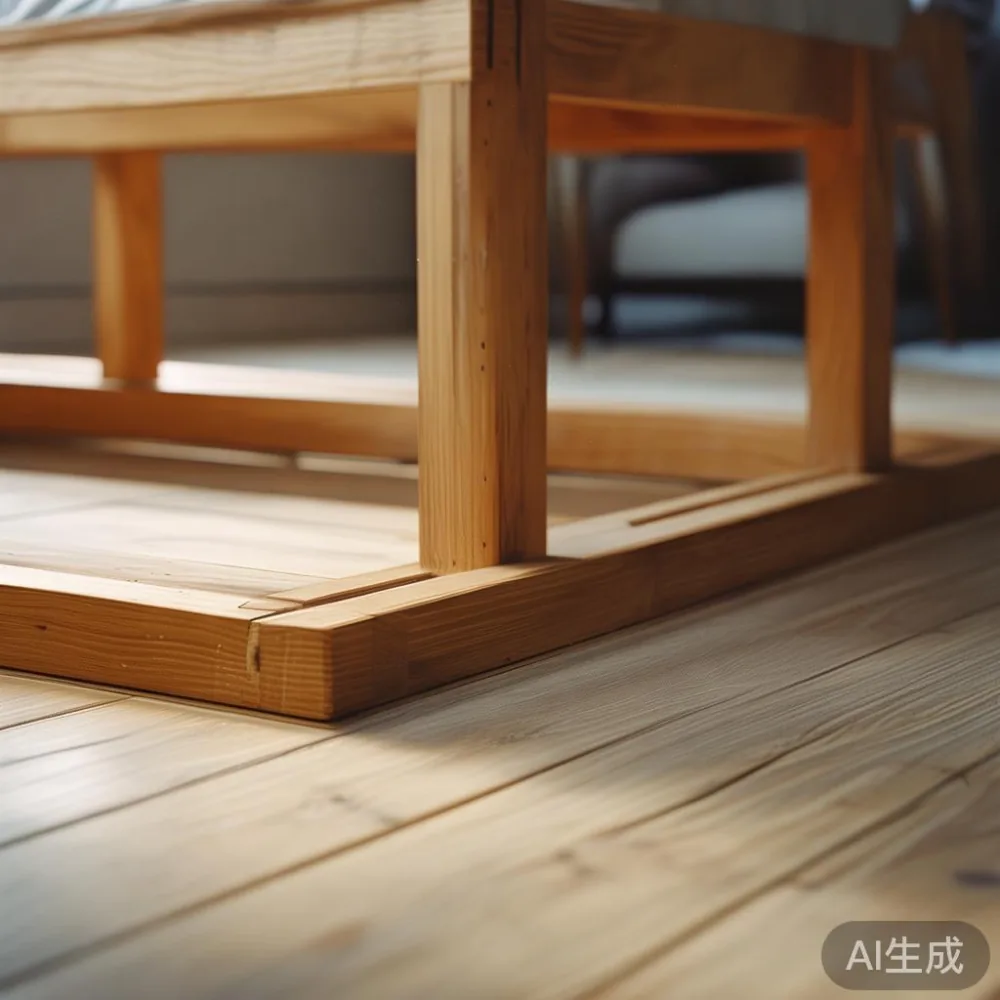
Start by separating structural coverage from general coverage. A 10-year structural warranty usually addresses defects in the main frame or structural components under specified conditions. It may not cover every scratch, stain, joint loosening, drawer runner failure, marble crack, electrical fault, or assembly error. Ask for a written definition of “structural,” and check whether timber movement, shrinkage, splitting, and seasonal changes are treated as natural characteristics or defects.
For solid wood furniture, the species and component matter. Oak, ash, walnut, teak, and other timbers behave differently with humidity and temperature. A premium solid wood dining table can include a top, apron, legs, and mortise-and-tenon joints that fail for different reasons. A warranty that applies only to the frame may say little about a drawer box or tabletop. Marble table coverage should also distinguish a crack caused by a product defect from one caused by a dropped edge, an uneven base, or improper support.

Check the exclusions for ordinary wear, accidental damage, insect activity, water exposure, direct heat, sunlight, improper cleaning, and unauthorised modifications. For example, a finish warranty may require care with placement more than a structural warranty does. Direct sunlight from a west-facing HDB living room can fade fabric or veneer at a different rate from a solid wood surface. Ask whether a finish can be repaired, replaced, or refinished, and whether refinishing is limited to certain components.
Look for the claim process. A useful warranty should state how to contact the supplier, which photographs are needed, whether an invoice is required, and whether an inspection is expected. Find out how long an initial claim response should take. A supplier that quotes 5 business days for acknowledgement and 10 business days for a repair decision gives you clearer expectations than a vague promise of “prompt service.”
Do not treat warranty duration as the same as service duration. A 10-year warranty can still be frustrating if replacement parts take 30 days to arrive. Clarify whether the supplier pays delivery for replacement parts, whether labour is included, and whether a temporary repair is available. For customers in Bedok, Punggol, and Tampines, the practical question is whether a technician must attend the home or whether the item can be removed for servicing.
Which warranty exclusions matter most in a Singapore home?
Humidity, heat, and installation conditions deserve special attention. Singapore’s climate can encourage warping in unsuitable panel products, while air-conditioned rooms create dry indoor conditions. Solid wood expands and contracts across its grain, so small movements may not indicate a manufacturing defect. The warranty should explain the expected range and identify the environmental limits under which coverage applies.
Ask how furniture should be installed. A bed frame requiring wall anchoring may be safer with a headboard secured appropriately, but an improper drill or omitted fixing can cause the product to fail in ways that affect coverage. A tall wardrobe may need an anti-tip device and must be assembled according to the instructions. A nightstand should not be overloaded beyond the stated capacity; check the kg rating rather than assuming a broad shelf can carry 40 kg because the upper surface looks substantial.
Assembly difficulty also determines who is responsible when something goes wrong. If a dining table is delivered flat-packed and the customer tightens an under-tensioned fixing incorrectly, the supplier may dispute a claim. Clear instructions, correctly labelled hardware, and a complete parts list reduce this risk. Record the unboxing with a 90-second video, retain all screws and fittings, and photograph the finished assembly. These records can show that the instructions were followed and that a joint was defective rather than damaged during assembly.
Commercial use is another common exclusion. A home office is usually residential use, but a dining table used every day for paid meals, a bed frame in a short-term rental, or a wardrobe in a paid guest room may be classified differently. Ask whether normal household use in a condo is covered and whether rental or shared living arrangements count as commercial use.
Check the treatment of parts that are not made by the furniture company. Fabrics, cushions, hardware, electrical fittings, stone inserts, and certain moving components may have separate warranties. A sofa may have a 10-year frame term but only a 3-year cushion or fabric term. A marble table may include a stone supplier’s warranty with its own claims procedure. It is better to identify these gaps before purchase than after a component fails.
Can I get delivery, assembly, and warranty support in one agreement?
Delivery terms often sit outside the product warranty. Confirm whether “free shipping” applies to the whole order or only to a threshold, and check whether that threshold is shown before or after GST. In Singapore, listed prices should state clearly whether 9% GST is included. If a dining table is SGD 1,200 before GST, the payable amount is SGD 1,308. If a piece costs SGD 450 before GST, it becomes SGD 490.50; a threshold of SGD 350 before tax is not the same as SGD 350 after tax.
For large furniture, measure the route rather than relying on the building’s stated lift size. Record the lift door width, lift cabin depth, corridor width, turning radius, and the shortest route from the loading point. Ask for the packaged dimensions and gross weight, not only the product dimensions. A wardrobe might be 180 cm wide as a finished unit but arrive in 2 cartons measuring 186 cm by 12 cm and 192 cm by 8 cm.
Some deliveries need 2 people and a trolley. Others may require 4 people if the carton exceeds 60 kg, which may push delivery into a scheduled service at SGD 80 or SGD 120. Confirm whether the fee includes carrying to the unit, unpacking, assembly, packaging removal, or only curbside handover. A lift reservation may also be required, and the delivery team may charge more for a walk-up without a lift.
Assembly support should be described in concrete terms. Does it cost SGD 65 for a nightstand, SGD 120 for a bed frame, or SGD 180 for a wardrobe? Can the supplier use the same installers who delivered the item? Are stairs charged per level? Ask whether removing the packaging or disposing of the cartons is included.
MIDHILL provides free shipping on orders over US$350 and a 14-day return window, but international thresholds should still be checked against the Singapore order quotation. For local delivery, written confirmation of the final SGD amount, access charges, and assembly fees is more useful than relying on a general shipping promise.
How do I check assembly difficulty before buying?
Assembly difficulty should be rated using the work involved, not a vague label such as “easy.” Look for the number of cartons, estimated assembly time, number of people, tools required, and whether floor protection is needed. A 3-piece bed frame may take 35 minutes with 2 people and a screwdriver, but a wardrobe with 6 panels, 14 cam locks, adjustable shelves, and wall anchoring may require 150 minutes with 2 people.
Your own space matters. In a compact HDB living room, assembling a 160 cm dining table may require clearing a 220 cm by 180 cm area. In a Punggol condo with polished flooring, moving a heavy marble table without the right pads can scratch the floor. A French provincial bed with a broad headboard may need more turning clearance than the bedroom door suggests. Confirm that the assembled piece leaves enough circulation space for daily use.
Ask whether assembly is required or merely recommended. Some solid wood products arrive nearly complete; others need legs, rails, back panels, or drawer supports attached. A useful product page should provide a step count, hardware count, and tool list. If it gives none, you are buying uncertainty along with the furniture.
Watch for instructions that conflict with local safety expectations. Tall wardrobes and storage units should include suitable anchoring where required. Children’s rooms need stable storage, and dining tables should sit level to prevent dishes from moving. Warranty coverage should not be used to excuse an installation that failed because the instructions omitted necessary fixing points.
Before delivery, check whether the supplier can hold the order or make a partial delivery. Some warehouses can dispatch legs and hardware separately, reducing the weight you carry upstairs, but split deliveries can complicate inspection and returns. A single delivery gives you a clearer chance to identify shipping damage before leaving the cartons.
What should I check when a furniture warranty claim is made?
Create a claim file before contacting the supplier. Include the order number, invoice, product name, purchase date, photographs from several angles, and a short explanation of the problem. State whether the item was assembled according to the instructions and whether it has moved, been repaired, or been exposed to moisture or excessive heat.
Describe the symptom precisely. “The wardrobe is broken” invites confusion; “the right side panel is separating 4 mm from the carcass 7 months after delivery, with no impact or water exposure” helps the supplier assess the claim. If a marble tabletop has a crack, state its length in cm, the location, and whether it developed gradually or after impact.
Keep service correspondence in one thread. Note the date, the name of the representative, the promised response time, and the agreed next action. If the supplier asks for an inspection, clarify whether it will occur within 5 business days and whether attendance is free. A claim should not require repeated journeys to the workshop with a 60 kg wardrobe unless the supplier has explained the reason and agreed to collection.
Ask whether the remedy is repair, replacement, refund, or parts supplied. A repair may restore use but leave a visible finish variation; refinishing may take 2 weeks. If replacement is selected, check whether the replacement piece matches the original colour and grain. Natural solid wood variation should be acknowledged, but the replacement should still meet the stated finish and dimensions.
Do not perform an unauthorised repair before inspection. Gluing a loose dining table joint, tightening a wardrobe wall anchor, or applying filler to a marble crack can affect the assessment. Temporary protective measures, such as keeping the area dry or stopping use of a drawer, are sensible, but document them.
Can I return a furniture order after delivery?
A 14-day return policy is helpful only if its conditions are clear. Find out whether the 14 days begin from delivery, warehouse arrival, or order confirmation. Confirm whether a piece must remain unused, whether custom dimensions cancel eligibility, and whether assembly changes the return position. A customer who has assembled a 150 kg wardrobe may be asked to return it in its original packaging, which can be impractical.
Also check the deductions. Restocking fees of 5%, 10%, or 15% can matter on a SGD 2,000 dining table. Ask whether the delivery charge is refundable and who pays return freight. If the reason is a defect, the seller should explain whether the return transport is covered. For a “change of mind” request, a local pickup fee may apply.
Inspect the furniture at handover, preferably without signing a “complete” statement first. Check corners, edges, surfaces, drawer movement, door alignment, and packaged hardware against the list. Photograph any marks before the delivery team leaves. If a carton is visibly crushed, note it on the delivery record and check the item while the team is present.
Whether a return is accepted does not remove the need to read the product warranty. Warranty repair and change-of-mind return are separate remedies. One addresses a covered defect; the other addresses a change in preference. Keeping the two sets of rules separate makes both claims clearer.
Which design terms should I compare beyond the warranty?
Design language can affect replacement parts and long-term usefulness. French provincial furniture often uses shaped details, curved lines, and a more decorative character. The phrase French provincial for small living room is relevant when choosing a nightstand or compact dining table, because ornate profiles can visually crowd a narrow HDB living area. Measure the room, then compare the actual footprint against catalogue dimensions.
American light luxury offers clean profiles, warm wood, and restrained upholstery; it may work well in a Bedok condo where fewer decorative features help the room feel larger. Post-modern light luxury can pair simple silhouettes with selected statement details. In each case, confirm that the finish, fabric, and hardware are documented so replacement parts can be matched years later.
Modern Italian light luxury furniture often emphasises proportion and finish quality, but imported styling does not guarantee easier assembly. A marble table may need 3 people and lifting equipment even when its design appears minimal. Likewise, a Mid-century modern TV console can arrive as 2 cartons with 12 fittings, while a Mid-century modern dressing table may need its mirror mounted after assembly. Ask for the installation method and safety instructions rather than assuming the style determines the setup.
MIDHILL French provincial bed designs should be checked for total assembled dimensions, headboard thickness, and the clearance needed to rotate the frame into position. For Rustic for dining room layouts, the solid wood dining table should sit on a level base, with leaves and extension hardware identified before purchase. A designer label can shape the look, but accurate dimensions, understandable instructions, and a clear warranty determine whether the piece works after it reaches your home.
What questions should I ask before placing the order?
Ask these questions in writing and save the answers:
1. What exactly has 10 years of structural coverage?
Request the list of covered components, exclusions, and any shorter terms for timber, stone, upholstery, cushions, hardware, glass, and finishes.
2. Is assembly included, and what does it cost?
Confirm the number of installers, estimated duration, access charges, and whether the fee includes unpacking and packaging removal.
3. Can the furniture fit through my building?
Provide lift door width, cabin depth, corridor width, turning space, and whether there are steps at the entrance.
4. Are Singapore taxes included?
Ask for the final payable amount in SGD with 9% GST shown separately. For example, SGD 800 before GST is SGD 872 including GST.
5. How do I make a claim?
Confirm the required documents, response time, inspection method, repair or replacement process, and any collection charge.
6. What happens if assembly damage occurs?
Clarify whether the supplier covers damage caused by its own delivery or installation team, and whether the customer’s assembly is treated differently.
7. What are the delivery and return terms?
Check the expected delivery window in days, the return period, restocking fee, and responsibility for return transport.
For a direct quotation or specification check, MIDHILL lists the contact number +86 188 2788 2512. Ask for the packaged dimensions, gross weight, assembly estimate, and the applicable warranty schedule before deciding.
A sound warranty is one you can explain to a family member in 5 sentences. You should know what is covered, what is excluded, who pays for access, how long a claim should take, and what evidence you need. Pair that clarity with an honest assessment of assembly difficulty, the route into your Singapore home, and the total SGD cost. That is how a written promise becomes a workable protection rather than a line of fine print.