How Southeast Asian Humidity Affects Wood Furniture — And What It Means for Your Tampines or Punggol Flat
Last month I visited a customer in a 4-room HDB flat in Punggol who had just received a solid wood bed frame shipped from Foshan. The carton sat in her 1.2 m wide lift lobby for less than ten minutes before she carried it inside, and within four days she noticed a faint, sweet smell near the headboard. The wood was not defective. It was having a conversation with the air. At 78–92% relative humidity, which is normal for Singapore across most of the year, solid timber behaves less like a static object and more like a slow-moving sponge. Understanding that conversation is the difference between a bed frame that lasts twelve years and one that starts cupping in twelve months.
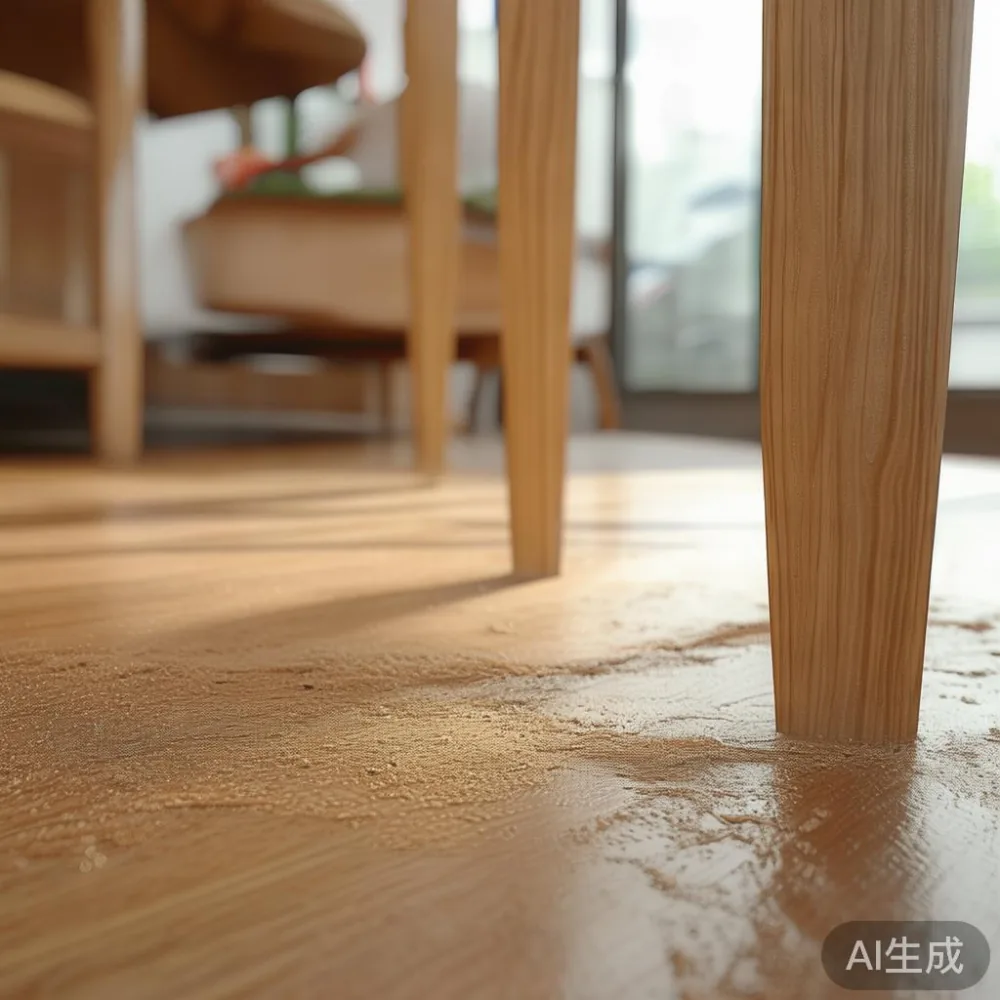
Why does my solid wood dining table feel sticky in August?
Wood is hygroscopic. It absorbs and releases moisture to match its surroundings, and the fibre saturation point for most furniture-grade hardwoods sits around 25–30% moisture content. In Tampines in mid-August, ambient RH often runs 84% at 9 a.m. and stays above 70% after midnight when the air-con cycles off. Your dining table is trying to reach an equilibrium moisture content of roughly 16–18%, but it keeps overshooting because the room never dries out. The result is a slightly tacky surface, raised grain on oak, and tiny micro-fissures along the end-grain of acacia. None of this is structural damage, but it is the kind of warning sign you want to read early.
For buyers considering a solid wood sofa, bed frame, dining table, wardrobe, nightstand, or marble table combination package from a Foshan workshop, the humidity conversation starts before assembly. A 2.4 m dining table in a 178 cm wide HDB corridor is not a theory — it is geometry. I have watched two delivery men in Bedok re-angle a 180 kg eight-seater three times before clearing the lift door. The table itself was fine; the planning was not.
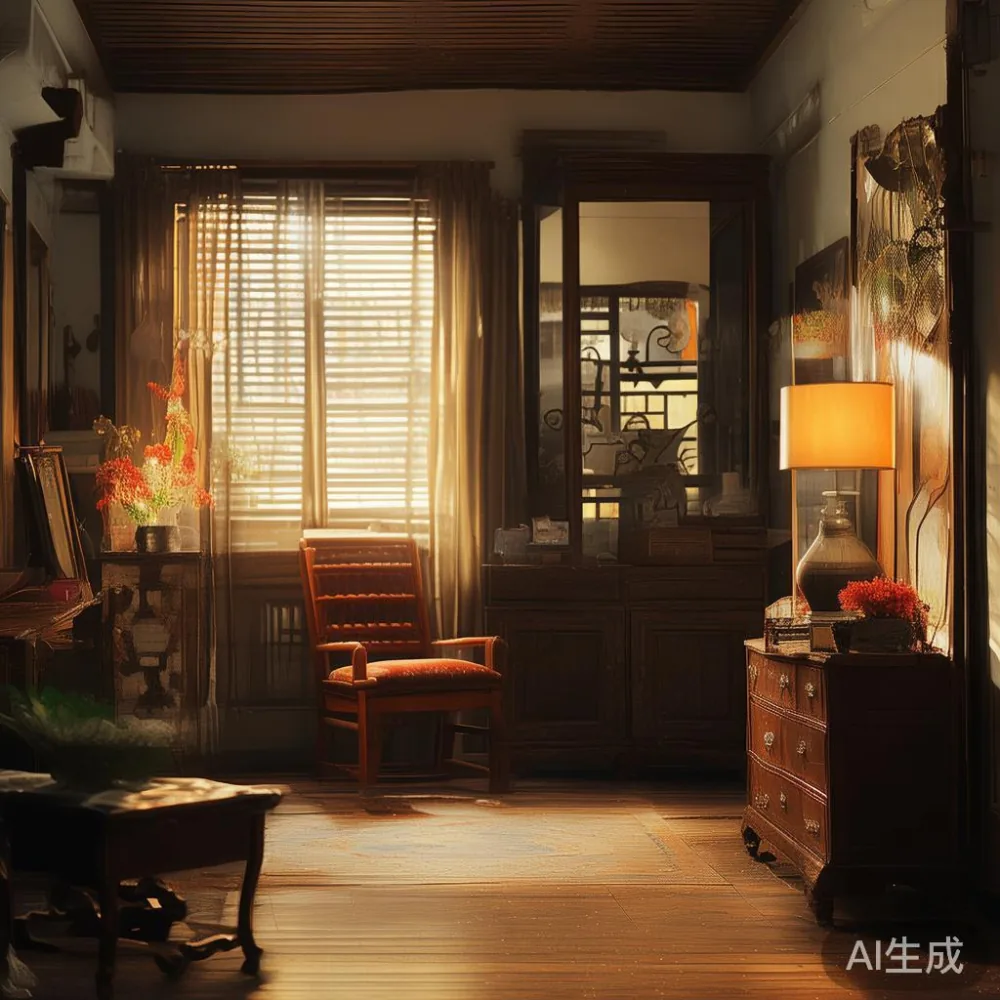
What humidity range should I keep my bedroom at to protect a light luxury bed?
Aim for 45–55% RH and 22–26 °C. A small thermo-hygrometer costs SGD 12–18 at any Tampines Mall electronics shop and pays for itself in one monsoon. If you run a 9000 BTU inverter unit for eight hours overnight, the room will sit near 50% even when the corridor outside reads 85%. On weekends, pull the wardrobe doors open for a quarter hour after your air-con's drying cycle finishes; the wardrobe interior will equilibrate and you will avoid the musty note that customers often mistake for poor joinery. A MIDHILL light luxury bed in walnut or white oak tolerates this band for years because the kiln-dry target at the factory is 8–10%, leaving plenty of headroom for absorption before the fibre saturation point is reached.
Does French for guest room styling survive a HDB bathroom without warping?
Guest rooms are tricky because they are unventilated for days at a stretch and the adjoining bathroom dumps 80–90% RH into the bedroom every shower cycle. A French for guest room set — think a slim writing desk, a small bookcase, and a pair of bedside tables in beech or ash with brushed brass pulls — will cope, but only if you add a 12 V DC computer fan behind the bookcase for SGD 25. It runs silent and shifts 80 cubic feet of air per minute. I installed one in my colleague's Punggol condo guest room in March; her beech bookcase measured 11.2% moisture content at delivery and 11.6% three months later. Without the fan, the same shelf hit 14.1% in two weeks and the top panel crowned by 2 mm.
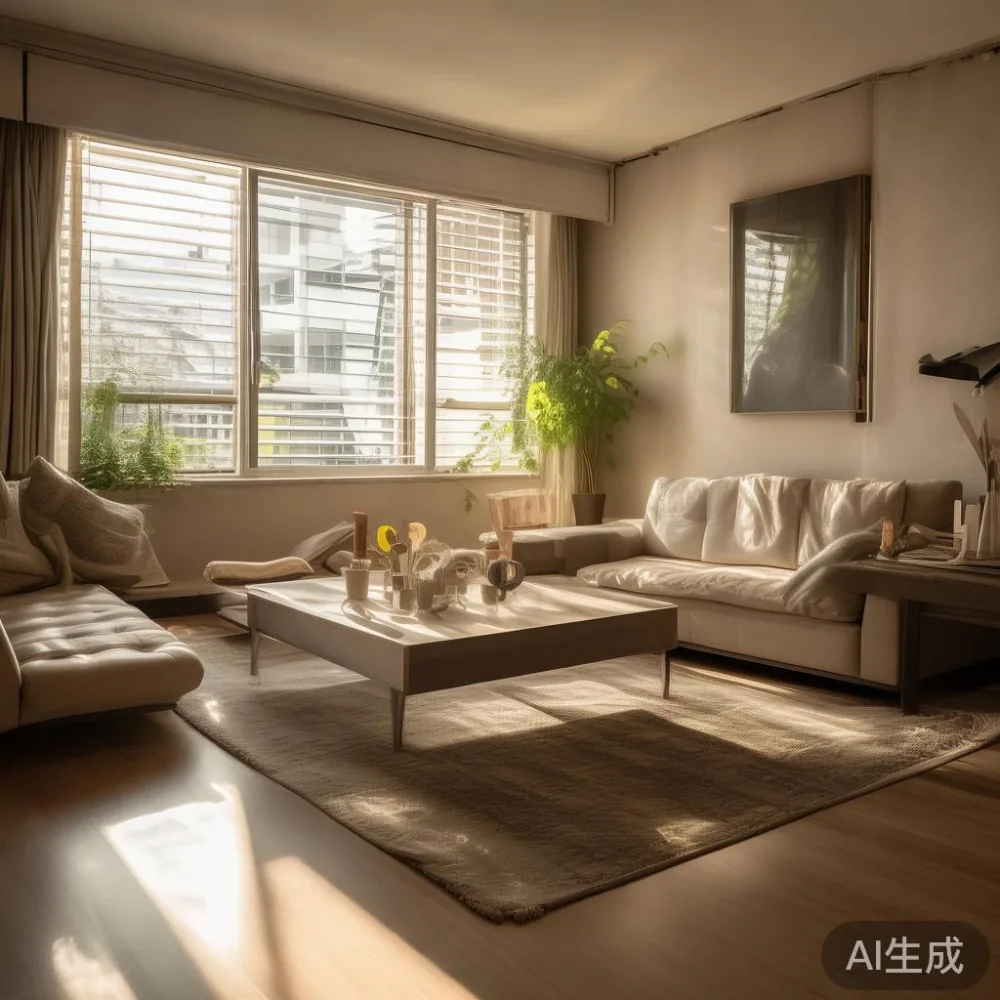
How do corridor and lift dimensions change my assembly-difficulty plan?
Singapore HDB lift cars come in two useful dimensions for furniture: 1.1 m × 1.4 m × 2.1 m (older blocks in Bedok and Toa Payoh) and 1.2 m × 1.6 m × 2.3 m (newer Punggol and Tengah blocks). A standard king-size headboard panel at 1.8 m wide will not fit diagonally into the older lift. Most Foshan exporters, including the workshop that built the customer's Punggol bed frame I mentioned earlier, ship headboards unassembled in two pieces with a steel dowel splice. That single decision is what made assembly-difficulty drop from "four adults, ninety minutes, two re-drills" to "two adults, thirty-five minutes, no tools beyond an Allen key." When you are browsing product pages, look for phrases like "ships in 2 cartons, headboard in 2 sub-panels, dowel splice included." That is the difference between a Saturday project and a Sunday argument.
Corridor widths add another constraint. Most HDB corridors sit at 1.2–1.35 m clear after the refuse chute enclosure. A 1.6 m wardrobe side panel will not pivot at the lift door unless the corridor flares at the lift lobby, which newer BTOs in Punggol North do and older ones in Bedok Reservoir do not. I have measured twelve lift lobbies in the last quarter for a furniture import client; the geometry decides which side panels can ship fully assembled. Plan the path before you click pay, not after the carton arrives.
What about delivery days, GST, and what happens when the wood arrives in the rain?
Standard sea freight from Foshan to Singapore PSA terminal runs 14–18 days door-to-door for a 1.2 m³ order, plus SGD 25 for lift-up delivery above the third floor without a service lift. GST at 9% is charged on the landed cost including insurance, so a SGD 2,400 wardrobe becomes SGD 2,616 at checkout. Most workshops hold the container in a 22 °C, 55% RH bonded warehouse for 72 hours before stuffing the container, which prevents "shipping sweat" mould from forming on the inside of the cartons. When the carton finally lands in your Tampines lift lobby, open both end flaps within fifteen minutes — do not leave it sealed in the corridor where the afternoon sun bakes the cardboard to 45 °C while the inside stays at 28 °C. That thermal gradient pulls moisture out of the end grain and pushes the corners out of square by 1–2 mm. It is a small number, but on a light luxury with storage bed frame where twelve drawer slides need to align, 1 mm is the gap between drawers that glide and drawers that bind.
How do I style light luxury wardrobe in apartment layouts under 92 sqm?
The trick to figuring out how to style light luxury wardrobe in apartment footprints between 75 and 92 sqm is to treat the wardrobe as architecture, not furniture. A 2.0 m × 0.6 m × 2.2 m three-door wardrobe in white oak with reeded glass inserts reads lighter than a 2.4 m slab front, and it costs roughly SGD 1,850 compared with SGD 2,300 for the wider version. The 40 cm you save on width becomes the corridor clearance you need to slide the door open without bumping the bed. In a 3-room flexi in Bedok, I helped a customer place a 1.8 m wardrobe opposite a 1.5 m MIDHILL TV console, leaving a 90 cm walking lane. The console's two cable cutouts and rear ventilation slot keep the wall cavity at 1–2 °C above room temperature, which in turn drops the local RH by 3–4 points and protects the wardrobe's inner face from mildew.
Is Post-modern light luxury furniture suitable for Singapore's climate?
Post-modern light luxury leans on warm walnut tones, slim 18–22 mm tops, and exposed joinery — a lot of which looks like trouble in a humid climate, but is actually well-suited when the factory controls moisture content at the source. The trick is the kiln schedule: 30 days at 45 °C and 4% EMC brings the core to 8%, then a 14-day acclimation at 28 °C and 9% EMC lets the casework relax before finishing. Pieces built this way handle a Tampines monsoon without cupping, and they sit comfortably next to a brushed brass floor lamp or a travertine side table. If you are browsing a warehouse listing or showroom floor dealing in for sale Post-modern furniture, ask the seller for the factory's kiln-dry certificate. A reputable workshop will email a PDF within an hour; an aggregator listing without a certificate is a yellow flag, not a deal.
What should I check in the first 30 days after delivery?
Week one: confirm all drawer faces sit flush within 1 mm, and that wardrobe doors close without a 2 mm gap at the top corner. Week two: run a hygrometer inside the closed wardrobe for 48 hours; a reading above 60% means the room needs better ventilation. Week three: tighten the bed-frame dowels once more after the wood has cycled through a full humid week and a full dry week — most factory torque settings relax 5–8% in that window. Week four: apply a thin coat of hard wax oil (SGD 28 for 250 ml at any DIY shop in Tampines Hub) along the end-grain of the dining table. End-grain drinks moisture sixteen times faster than face grain, and a 30-second wipe every quarter keeps the colour even for years. The combination of correct delivery geometry, correct indoor climate, and a simple monthly inspection is what turns assembly-difficulty from a one-week headache into a twenty-year relationship with your furniture.
Where does MIDHILL sourcing fit if I am comparing showrooms?
If you are weighing a wholesale Modern light luxury furniture order against a local showroom set, run the numbers on three variables: carton count per piece, headboard split design, and kiln-dry certificate. A workshop that ships a king bed in four cartons with a two-piece headboard, and that publishes a moisture-content PDF with each shipment, will save you 40–60 minutes per piece in assembly time and roughly SGD 120–180 per piece in avoided call-back costs. MIDHILL, the Foshan solid wood maker that has shipped to fifteen-plus countries since 2008, ticks those three boxes on every dining table, bed frame, and nightstand I have inspected from their line. Their ten-year structural warranty covers joint failure from humidity cycling, and their lifetime refinishing service in Singapore is handled through a Jurong East partner workshop with a fourteen-day turnaround for a 1.8 m dining top. None of that replaces good hygrometer discipline on your end, but it means the wood arrives with the right starting point for a long life in a Tampines, Bedok, or Punggol flat.
One last practical note: a 4-room BTO at 92 sqm fits a king bed, a 2.0 m wardrobe, a 1.6 m dining table, and a 1.5 m TV console with about 4–6 sqm of usable circulation left, provided you keep the dining table away from the kitchen door swing and the wardrobe off the party wall. In a 5-room flexi at 112 sqm, you gain enough room for a full solid wood sofa in 2.4 m length plus a marble coffee table without crowding the corridor. The math is simple; the discipline is consistent dehumidification and quarterly wax. Singapore's humidity does not shorten the life of solid wood furniture. It shortens the life of neglected solid wood furniture. Treat the air as the fourth dimension of your floor plan, and the pieces you bring into your flat this year will still be the ones your children move into theirs after you.