Beyond the Surface: A 5-Year Financial Comparison of Veneer and Solid Wood Furniture for Singapore Homes
In Singapore's residential landscape, where space is premium and quality matters, the furniture choices we make impact both our living environment and our wallets. The debate between veneer and solid wood furniture has persisted for years, with homeowners in Tampines, Bedok, and Punggol weighing aesthetic appeal against long-term value. This analysis examines the financial implications of these materials over a five-year period, factoring in Singapore's unique housing conditions, GST rates, and the practical realities of furniture assembly difficulty.
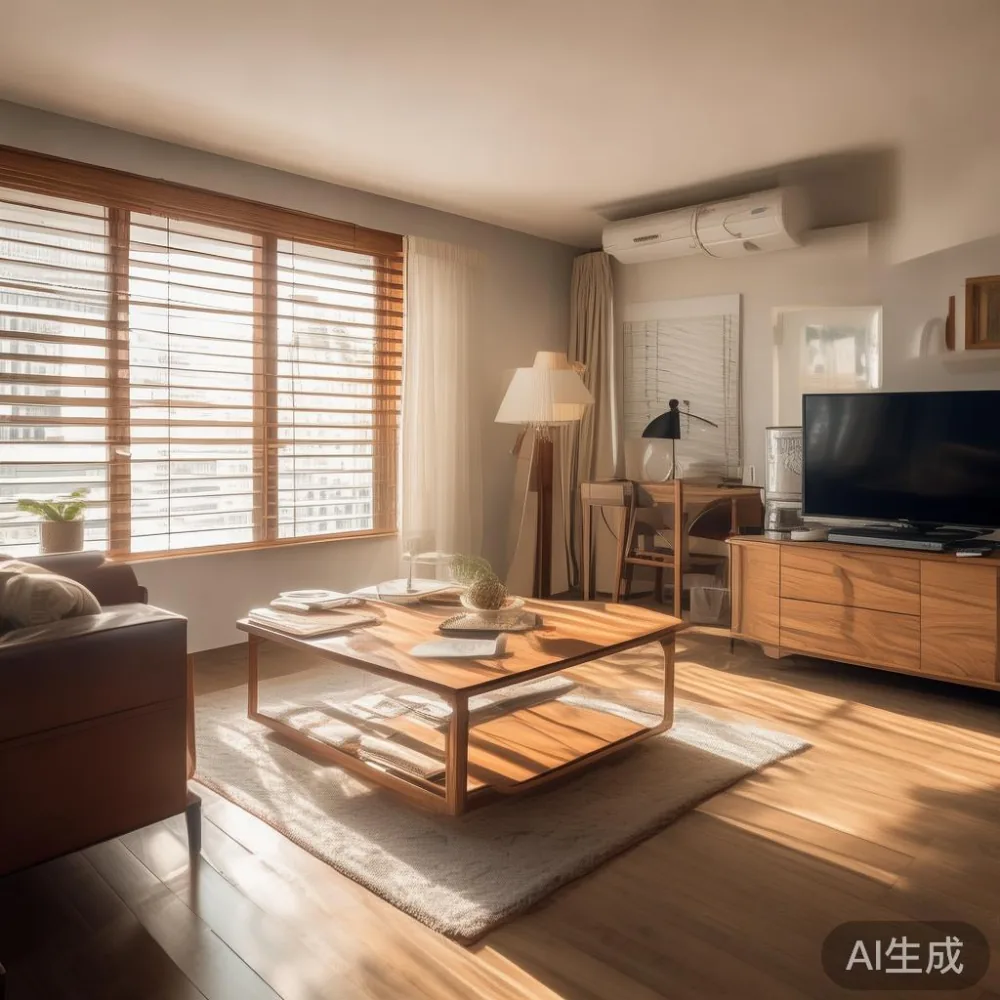
Why Material Choice Matters for Singapore Residences
Singapore's HDB flats and condominiums present specific challenges that influence furniture decisions. With typical corridor widths ranging from 120cm to 150cm and lift dimensions approximately 110cm x 210cm, furniture must work through these spaces without damage. The humid tropical climate, with average relative humidity levels between 70-80%, further complicates material durability. Many Singaporean homeowners have discovered that while veneer furniture offers immediate affordability, solid wood options often provide better performance in our environmental conditions.
Last month, I visited a colleague's newly renovated Bedok apartment where she had installed a mix of veneer and solid wood pieces. Her experience highlighted a common pattern: the veneer dining table showed noticeable peeling along the edges after just 18 months, while the solid wood bed frame remained pristine despite daily use. "I wish I had invested more in solid wood," she admitted, "especially for pieces that get heavy use." This personal observation underscores the importance of looking beyond initial purchase price when evaluating furniture options.
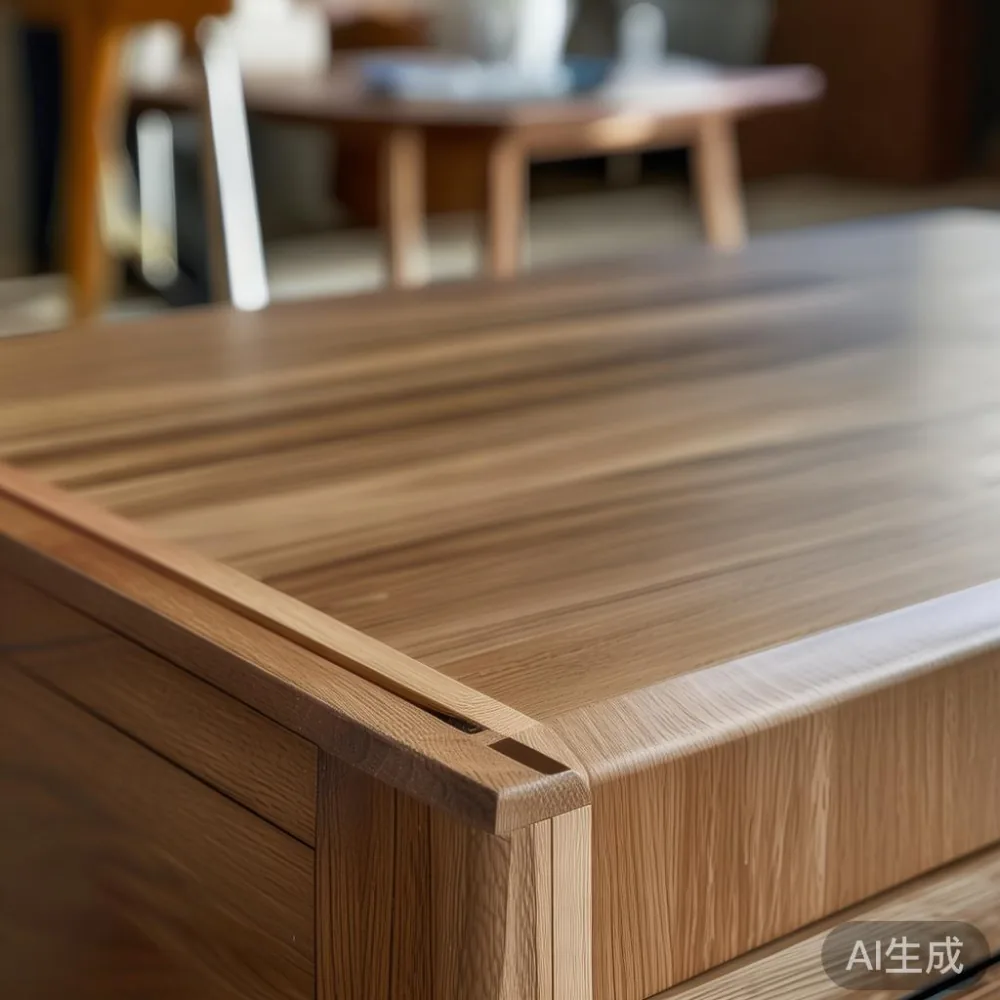
Initial Investment: The Price Difference at Purchase
When comparing initial costs, veneer furniture typically presents a more accessible entry point. A standard veneer dining table measuring 160cm x 90cm costs approximately SGD 800 to SGD 1,200, while a comparable solid wood table ranges from SGD 1,800 to SGD 3,000. This price difference extends to other furniture pieces as well—veneer wardrobes start around SGD 1,500, while solid wood versions begin at SGD 2,500 and can reach SGD 4,000 for premium designs.
The Singapore market offers numerous options for those seeking budget-friendly furniture. Local retailers frequently advertise promotions with discounts of 20-30%, especially during festive seasons. However, these deals often come with trade-offs in material quality and construction. For homeowners concerned with immediate budget constraints, veneer furniture provides a lower initial investment, but the long-term value proposition requires careful consideration.
How Does Assembly Difficulty Affect Your Furniture Experience?
Assembly difficulty represents a significant factor often overlooked in furniture purchasing decisions. Veneer furniture typically arrives in flat-pack boxes with numerous small components, requiring approximately 2-3 hours for assembly. The lightweight nature of veneer materials (averaging 25-35 kg for a dining table) makes handling easier but can result in less stable structures over time.
Conversely, solid wood furniture presents different assembly challenges. A solid wood dining table weighing between 45-65 kg requires careful handling during setup, often taking 3-4 hours with two people. The precision required in aligning solid wood components means that assembly difficulty increases with the complexity of the design. For Singaporean homeowners living in apartments with narrow corridors, maneuvering larger solid wood pieces through doorways (typically 80cm wide) adds another layer of complexity to the process.
My personal experience assembling a solid wood wardrobe in my Punggol condominium revealed these challenges firsthand. The 120cm wide wardrobe required disassembly of the doors to fit through the 75cm corridor entrance, adding approximately 45 minutes to the assembly process. While more time-consuming, the resulting structure felt significantly more stable than similar veneer pieces I had assembled in the past.
The 5-Year Cost Breakdown: Veneer Furniture
When evaluating veneer furniture over a five-year period, the initial cost represents only part of the financial equation. A typical veneer dining table purchased at SGD 1,000 may require refinishing after 3-4 years at a cost of SGD 200-300. Veneer surfaces susceptible to humidity damage may develop bubbles or peeling, necessitating professional repair services costing SGD 150-250 per affected area.
For bedroom furniture, a veneer wardrobe showing signs of wear after 3-4 years might need replacement of drawer fronts at SGD 80-120 each. The average lifespan of veneer furniture in Singapore's climate is approximately 4-6 years, meaning many homeowners face complete replacement within the five-year timeframe. When factoring in GST at 9% and potential delivery fees of SGD 50-100 per piece, the five-year cost of veneer furniture often exceeds the initial purchase price by 40-60%.
The market for top 10 Japanese furniture options includes several veneer pieces that attract Singaporean buyers with their minimalist aesthetic. However, these pieces often require more frequent maintenance in our humid climate, with owners reporting refinishing needs every 2-3 years to maintain the original appearance.
The 5-Year Cost Breakdown: Solid Wood Furniture
Solid wood furniture presents a different financial trajectory over five years. While the initial investment is higher, the longevity significantly reduces replacement frequency. A solid wood dining table costing SGD 2,500 may require only occasional oiling (every 12-18 months) at a cost of SGD 30-50 per application. The structural integrity of solid wood pieces means they rarely require major repairs within the first five years.
For homeowners considering the best Industrial bed for 2026, solid wood options offer durability that extends beyond the five-year analysis period. A well-constructed solid wood bed frame costing SGD 1,800 can easily last 10-15 years with proper care, reducing the annualized cost significantly. The refinishing capability of solid wood provides additional value—when surfaces show wear after 5-7 years, professional refinishing costs SGD 300-500, effectively restoring the piece to near-original condition.
Singapore's climate does affect solid wood furniture, causing minor expansion and contraction. However, unlike veneer which may delaminate, solid wood maintains its structural integrity. The 10-year structural warranty offered by reputable manufacturers like MIDHILL provides additional peace of mind, covering issues that might arise during the first decade of ownership.
Is French Wardrobe Worth It for Singapore Homes?
The question of whether French wardrobe pieces justify their premium price depends on several factors specific to Singapore living conditions. A French provincial wardrobe, often featuring intricate details and premium finishes, typically costs SGD 3,500-5,000 compared to SGD 2,000-3,000 for standard solid wood designs. The additional expense reflects craftsmanship and aesthetic value rather than functional differences.
For homeowners with limited space in HDB flats or smaller condos, the generous dimensions of French wardrobes (typically 200cm x 60cm x 240cm) may present challenges. The assembly difficulty increases with these larger pieces, often requiring professional installation services costing SGD 100-200. However, the timeless design and durability of quality French wardrobes can provide value beyond the five-year timeframe, potentially becoming heirloom pieces.
When considering is French wardrobe worth it, Singaporean homeowners should evaluate their priorities. Those valuing traditional craftsmanship and willing to invest in pieces that transcend trends may find the additional cost justified. For practical storage solutions in compact living spaces, simpler solid wood designs might offer better value within the five-year analysis period.
Space Considerations in Singapore Residences
Singapore's housing constraints significantly influence furniture purchasing decisions. HDB flats in Tampines and Bedok typically have living rooms measuring 300-400cm x 300-400cm, while condominiums offer slightly more generous spaces of 400-500cm x 400-500cm. These dimensions directly impact furniture size selection and consequently, cost.
A solid wood sofa measuring 220cm x 90cm x 85cm costs approximately SGD 2,500-3,500, while a comparable veneer version ranges from SGD 1,200-2,000. The weight difference also affects moving and placement—solid wood sofas typically weigh 45-65kg compared to 30-45kg for veneer equivalents. For homeowners in high-rise apartments without elevators in older buildings, this weight difference becomes a practical consideration.
The Japanese sofa vs Japandi sofa debate highlights another dimension of material choice. Japanese sofas often feature solid wood frames with natural upholstery, costing SGD 2,800-4,000, while Japandi designs blend Scandinavian and Japanese aesthetics with veneer components at SGD 1,800-3,000. The assembly difficulty varies between these styles, with Japanese solid wood pieces requiring more precise alignment during setup.
Where to Find Quality Solid Wood Furniture in Singapore
Singapore offers several avenues for purchasing solid wood furniture, each with different price points and quality levels. Local showrooms in areas like Joo Chiat and Holland Village feature premium pieces with price tags reflecting craftsmanship and materials. Online retailers like midhill.co provide direct-to-consumer options with delivery times of 14-21 days and free shipping for orders over SGD 350, though assembly remains the responsibility of the purchaser.
For those seeking specific styles, the top 10 French provincial furniture retailers in Singapore typically offer pieces with solid wood construction, though at premium prices. These retailers often include assembly services, adding SGD 100-200 to the total cost but addressing the assembly difficulty associated with these substantial pieces.
When evaluating midhill.co options, Singaporean homeowners should consider the 14-day return policy and lifetime refinishing services offered by reputable manufacturers. These benefits add value beyond the initial purchase price, particularly for items that may require adjustment to local humidity conditions or aesthetic preferences.
Final Considerations for Your Furniture Investment
The five-year cost analysis reveals that while veneer furniture offers lower initial costs, solid wood pieces often provide better long-term value when factoring in durability, repair expenses, and replacement frequency. For homeowners planning to stay in their current residence for extended periods, the investment in quality solid wood furniture becomes increasingly advantageous.
Singapore's unique combination of high humidity, limited space, and premium real estate values makes furniture selection particularly challenging. The assembly difficulty associated with solid wood pieces requires consideration of available assistance and time commitment during the setup process. However, the stability and longevity of well-constructed solid wood furniture often justify this additional effort.
For those considering a mid-century modern accent chair as a statement piece, solid wood construction ensures the piece maintains both aesthetic appeal and structural integrity over time. While initial costs may be higher, the ability to refinish or repair solid wood components extends the functional lifespan beyond what veneer alternatives can offer in Singapore's climate conditions.
Ultimately, the choice between veneer and solid wood furniture depends on individual priorities, budget constraints, and long-term plans. For homeowners valuing longevity and timeless design, solid wood furniture represents a sound investment that pays dividends over the five-year period and beyond.