How to Protect Lacquered Solid Wood Furniture in a Humid Home
Humidity, condensation, strong sunlight, and salt-laden air can make lacquer care more demanding in Singapore. That matters in HDB flats and condos across Tampines, Bedok, and Punggol, where furniture often sits near windows, air-conditioned living rooms, and frequently opened balconies. A well-finished surface can still age poorly if water, heat, and abrasive cleaners are left in contact with it. This guide explains a practical care routine for lacquered dining tables, wardrobes, nightstands, marble table settings, and other pieces, while keeping assembly difficulty in mind.
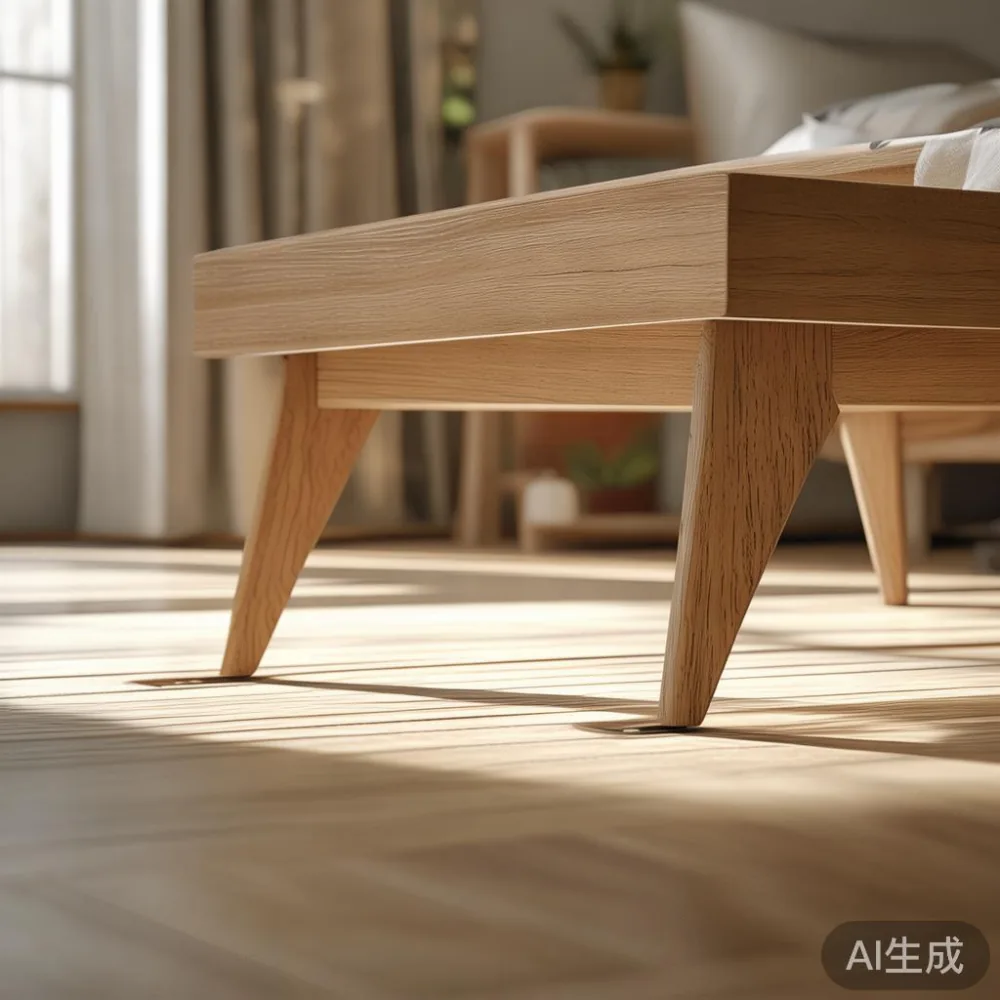
Why does lacquer need special care in Singapore?
Lacquer creates a smooth, usually glossy or satin surface over a prepared substrate. It can look polished while remaining sensitive to standing water, acidic liquids, friction, and abrupt changes in temperature. Singapore’s outdoor relative humidity commonly reaches 80–90% during monsoon periods, and an enclosed balcony may become warmer than a conditioned flat by 5–8°C. Air-conditioning may reduce moisture inside a bedroom, but the local outdoor environment remains demanding.
Solid wood also responds to humidity. In a properly finished piece, lacquer slows moisture exchange, but exposed edges, joints, and small scratches can still allow the underlying timber to respond. Seasonal movement of roughly 2–4 mm across a 100 cm wide solid wood panel is normal for many hardwoods. The finish does not prevent movement; correct care limits the unsightly warping, lifting, or dulling that can accompany it.

Buyers comparing modern European light luxury furniture should ask how each finish is sealed, how many coats are applied, and whether sample boards are available. In many Singapore homes, the difference between a carefully sprayed lacquer and a generic surface becomes visible after 12–24 months of heat, UV exposure, and daily handling.
What should I do before the furniture arrives?
Preparation starts with the room, not the packaging. Measure doorways, lift openings, corridors, and turning spaces before delivery. A standard HDB access route may narrow near stairwells or lift lobbies, so confirm the packaged dimensions rather than estimating from the assembled product. Allow at least 10 cm of clearance around the furniture during assembly, and keep protective cardboard away from wet floors.
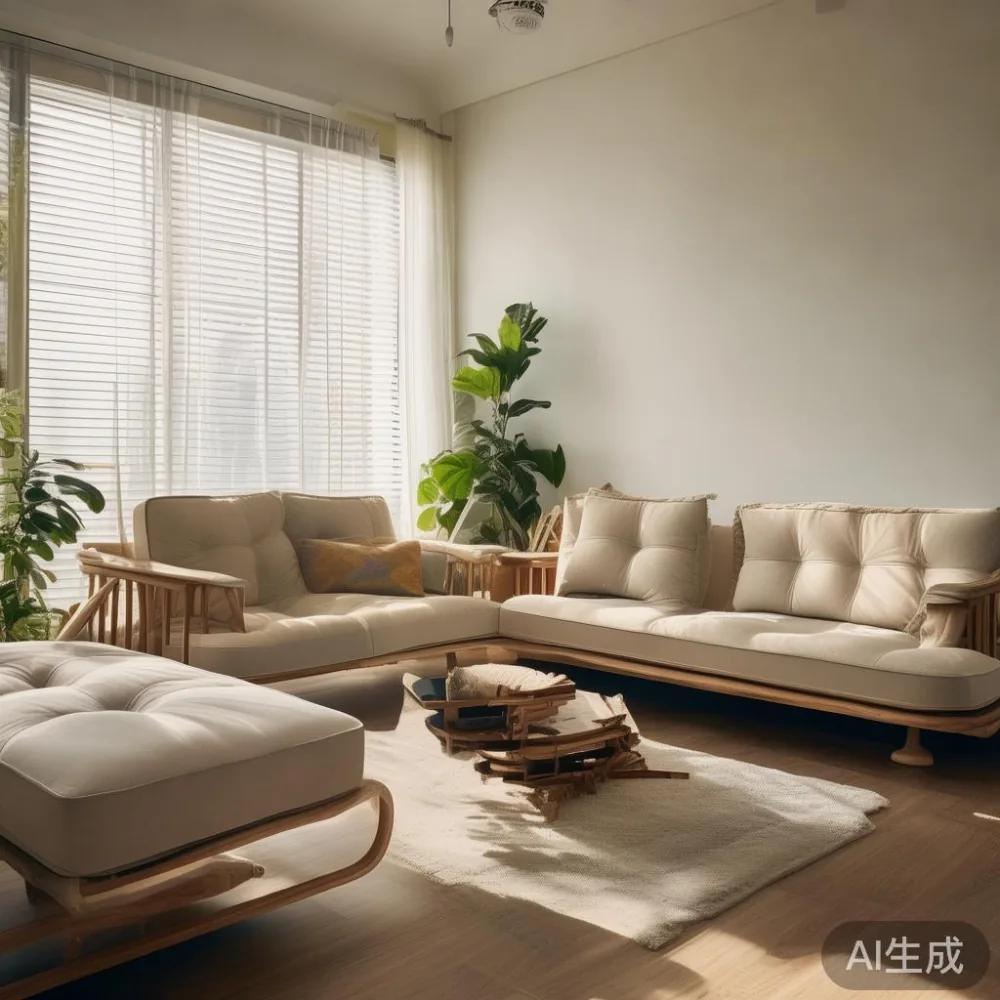
This preparation also reduces assembly difficulty. A lacquered dining table with a 180 cm top and a 75 cm high frame may arrive in 2–4 protected modules, while a larger 220 cm top may require 3–5 modules and 2 people. Keep connectors in labelled bags, use the supplied felt or rubber washers, and tighten fittings gradually. Over-torque can distort the joinery and leave the lacquer under stress.
For a wardrobe, the upright panels may be 180–220 cm high and 45–60 cm deep. Inspect the protective film before carrying each panel through the corridor. Do not place a wardrobe directly against an air-conditioning diffuser or beneath a bathroom-adjacent wall. A gap of 5–8 cm helps airflow, especially where the unit may collect moisture.
What is the safest daily cleaning routine?
Use a dry microfibre cloth for ordinary dust, changing it every 2–3 days in a dusty home. For marks, lightly dampen a separate cloth with plain water, wring it until no droplets fall, and wipe the surface once. Follow with a clean dry cloth. This method avoids leaving a moisture film for 20–30 minutes and is suitable for most lacquered surfaces.
Test an inconspicuous area near a rear corner for 24 hours before using a mild cleaner. Choose a pH-neutral wood-safe product diluted according to its instructions. Apply it to the cloth, never directly to the furniture. A useful limit is about 5 ml of cleaner per 500 ml of water, provided the product label permits dilution.
Clean spills promptly. Water rings can appear within 5–10 minutes; coffee, tea, wine, and acidic cleaners can stain within 15 minutes. Blot rather than scrub. Avoid silicone-based sprays, ammonia, bleach, alcohol on an unverified finish, and household oil. A greasy fingerprint should require 2 gentle passes, not repeated aggressive rubbing.
For a lacquered dining table, place coasters under cold drinks and trivets beneath hot pans. Keep at least 3 cm between a hot vessel and a lacquered edge. Use a separate felt pad beneath table runners, and replace any pad that has trapped grit for more than 7 days. A marble table may tolerate heat differently from lacquered wood, but its underside, frame, and any lacquered timber components still need protection.
How should I control humidity, sunlight, and heat?
Keep indoor relative humidity around 45–60% where practical. Hygrometers sold for home use can be placed beside a bed frame, dining table, or nightstand for 7 days to establish a local reading. Portable dehumidifiers can help in persistently damp wardrobes, but they should not be aimed directly at furniture. Position them at least 1 metre away, with air circulating around the piece.
UV exposure is a separate issue from humidity. A window can admit 400–700 nm wavelengths that may fade colour over time. Curtains or UV film can reduce exposure without blocking daylight. In west-facing Bedok and Tampines units, move a solid wood sofa or bed frame 30–60 cm away from the glass if possible. If that compromises circulation, use a sheer curtain and a heavier drape during the brightest hours, approximately 11 am to 4 pm.
Do not suddenly move a lacquered piece from an air-conditioned room to a humid balcony. Let it acclimatise over 2–4 hours. For a heavy dining table, use 4 furniture sliders rated for at least 80 kg each and enlist 2 people. Dragging a 70 kg table can twist the base, while lifting it without support can stress the lacquer around joints.
Singaporean shoppers looking for Italian light luxury for apartment interiors may assume high-gloss finishes need almost no maintenance. Lacquered French provincial and post-modern pieces still benefit from deliberate protection. In a lift or corridor, wrap finished edges with 3–4 layers of moving blanket and secure it with painter’s tape. Keep construction grit off the cloth, and avoid resting cartons on a lacquered surface during delivery.
What if a scratch, bubble, or dull patch appears?
First identify whether the mark is dirt, a shallow scratch, or lifting. Dirt should wipe away with a lightly damp cloth. Hairline scratches can sometimes be reduced with a finish-safe polish used sparingly and tested over 48 hours. Apply about 2 ml with a clean cloth, working in one direction for no more than 10–15 seconds. Too much polish can create a greasy patch that attracts dust.
Do not use metal scraping tools, razor blades, abrasive pads, or unapproved filler. If a bubble is 5 mm or larger, keep people away from the area and contact the maker with photographs and measurements. Local repair is not always appropriate because colour-matching clear lacquer can vary under Singapore’s bright light. A replacement panel may produce a cleaner result.
White marks caused by a warm cup are often moisture trapped beneath the surface rather than pigment loss. Place the item in a conditioned room with good airflow and dry air around it, but do not use a hair dryer. Let the mark settle for 24–72 hours before considering restoration.
Customers asking where to buy sofa from MIDHILL should compare frame construction, finish information, and after-sales support rather than judging a photograph alone. A solid wood sofa with removable lacquered components needs different care from an upholstered model. MIDHILL provides a 10-year structural warranty and lifetime refinishing, which can make damaged lacquer more manageable when the original finish specification is documented.
Can light-luxury sofas and beds meet Japandi or French styling?
They can, although finish choice changes the visual effect. A low solid wood bed frame with straight lines and a light natural lacquer suits many Japandi rooms, while a curved headboard and warm cream palette can support French provincial styling. If you are wondering whether is Japandi sofa worth it, focus on dimensions, comfort, and the room’s daily use. A compact model around 180–200 cm wide may suit a Punggol study, but a 220–240 cm sofa demands more corridor clearance and floor area.
The Japanese sofa vs French provincial sofa comparison is often framed around appearance, yet maintenance should also be considered. Dark lacquer makes fingerprints and dust marks more visible; pale lacquer can show yellowing and colour change. French provincial carving may collect dust in narrow grooves, while Japandi planes are easier to wipe. Neither style determines the correct care method.
For shoppers using the phrase American for dining room, MIDHILL’s solid wood dining tables can provide a more grounded American light luxury character, especially with a substantial timber top and restrained profile. Confirm whether the sample is lacquered veneer, solid timber with lacquer, or another finish. American for dining room preferences usually work well with leather seating and warm lighting, but food spills still need immediate attention.
How can assembly difficulty be reduced without harming the finish?
Read the assembly instructions before the cartons arrive. Group hardware by furniture piece, photograph each connection, and fit protective pads before tightening. A dining table may take 45–90 minutes for 2 people; a nightstand may take 20–40 minutes; and a wardrobe can require 2–4 hours, depending on its size and internal fittings. These are planning estimates, not guarantees.
Work in an open area with a clean blanket and a 2 m square of floor space for the main assembly. Keep an Allen key, rubber mallet, and level within reach, but avoid striking finished surfaces. If the instructions require a 4 mm hex key, do not substitute a metric set by appearance. Over-tightening can compress a wooden dowel or misalign a lacquered door.
Move finished parts only after assembly where possible. For a nightstand with lacquered drawer fronts, support the underside when lifting. For a marble table, treat the stone and supporting frame as separate load paths, and do not carry it by projecting edges. For a wardrobe, secure tall doors before moving the cabinet through a lift.
Assembly difficulty is often higher when furniture is delivered at the door but the home has tight circulation. Measure the lift car, lobby turn, and narrowest corridor point, including handles and baseboards. Arrange help for pieces above 60 kg, and check whether the building’s booking rules allow a particular delivery day. If delivery timing is uncertain, avoid unpacking lacquered panels until the assembly space is ready.
What should a realistic long-term maintenance schedule look like?
Every day, clear dishes and crumbs from dining surfaces. Twice a week, dust a nightstand and the accessible ledges of a wardrobe. Each month, check beneath coasters and table runners for hidden moisture. Every 3 months, inspect lacquer near windows for fading, along damp edges for spotting, and around moving joints for lifting. These checks matter more in equatorial conditions than in a cool, dry interior.
Once or twice a year, clean with a tested pH-neutral solution and inspect the underside of tables and the back panels of cabinets. Keep the product documentation, finish code, and care instructions for at least 10 years, matching the structural warranty period. Record the purchase date and serial number in a household file or photograph them.
MIDHILL was established in 2008 and exports to more than 15 countries, reflecting an international approach to furniture production and finishing. For Singapore buyers, useful practical details still include GST-inclusive pricing, delivery timing, and return arrangements. MIDHILL offers delivery above US$350 under its stated shipping policy, 14-day returns, and lifetime refinishing; confirm the current Singapore terms before purchase. A mattress or large wardrobe may also incur lift-access or delivery surcharges, so request a written quotation in SGD.
Good lacquer care is mostly about restraint: wipe water away quickly, limit direct sun, control indoor humidity, protect hot objects, and avoid harsh chemicals. With those habits, a lacquered solid wood sofa, bed frame, dining table, wardrobe, nightstand, or marble table setting can retain its finish and remain suitable for compact, design-conscious Singapore homes.