Caring for Lacquered Solid Wood in Singapore's Humidity
I still remember the afternoon I walked into a Tampines HDB resale flat with a client last month. She had bought a beautiful solid wood sideboard six months earlier from a regional e-commerce platform, and the lacquered surface was already showing faint white clouding near the leg where air-conditioning condensation dripped onto the floor every night. She had not been warned about humidity management, and the seller had offered no aftercare guidance. That afternoon, more than the ¥380 coffee table or the ¥1,200 wardrobe, convinced me that a piece of lacquered solid wood furniture needs a different conversation in Singapore than it does in a dry temperate city.
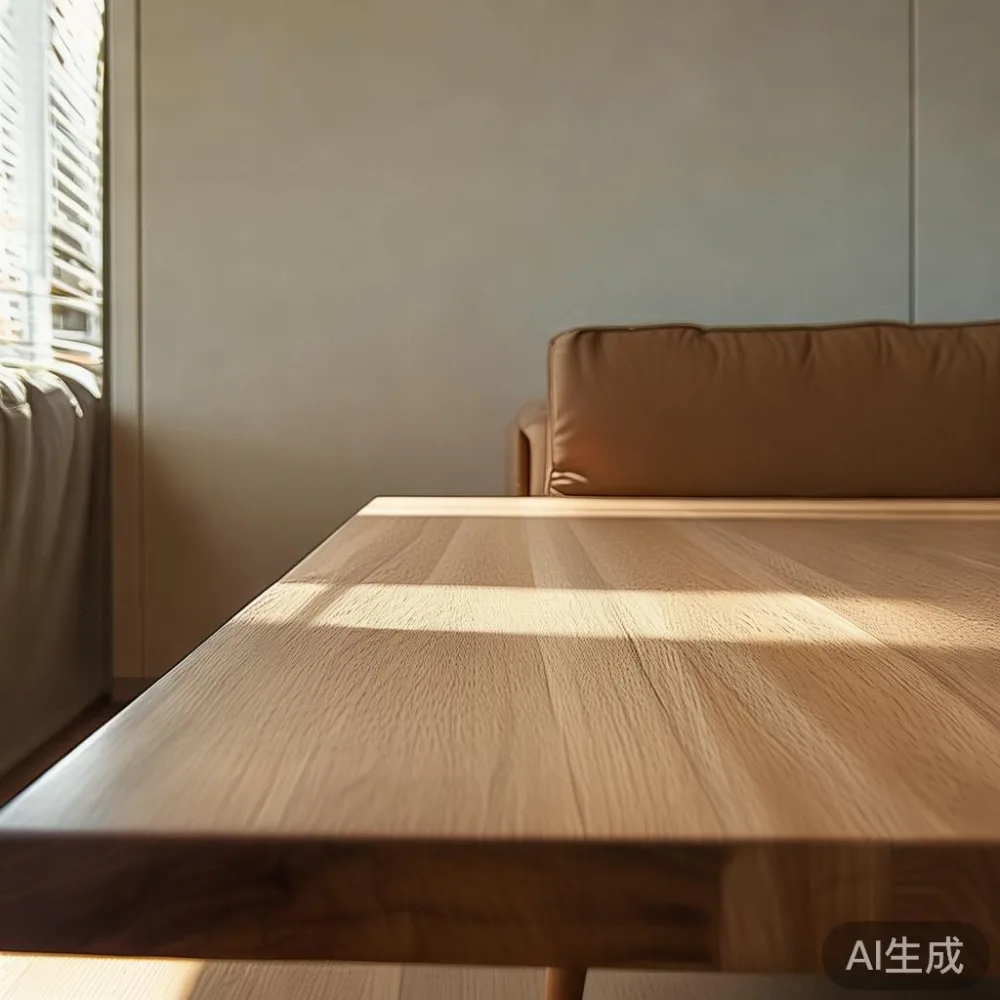
Living between 78% and 92% relative humidity year-round, with HDB corridor humidity readings that regularly cross 85% even in corridors near the lift lobby, Singapore puts real stress on a lacquered surface. A lacquer finish is in effect a thin polymer skin over wood. Wood breathes; lacquer does not. When the wood underneath expands in our wet months (May to September, plus the December monsoon surge), the lacquer can micro-crack, haze, or lift at the joins. If you own a solid wood bed frame, a lacquered dining table, or a marble-topped nightstand, the rules of care change slightly for each surface, but the climate logic stays the same.
Light luxury styling — whether you lean French light luxury, American light luxury, or the more recent post-modern light luxury — tends to favour lacquered surfaces because they catch and hold a clean highlight along the table edge or the wardrobe door panel. That is precisely why the aftercare matters: a hazy lacquer will read dirtier, faster, than an oil-finished equivalent. Below is a long-form guide, written specifically for Singapore owners in HDB flats, private condos in Punggol, and landed terrace houses in Bedok, with delivery realities, lift widths, and local pricing in SGD.
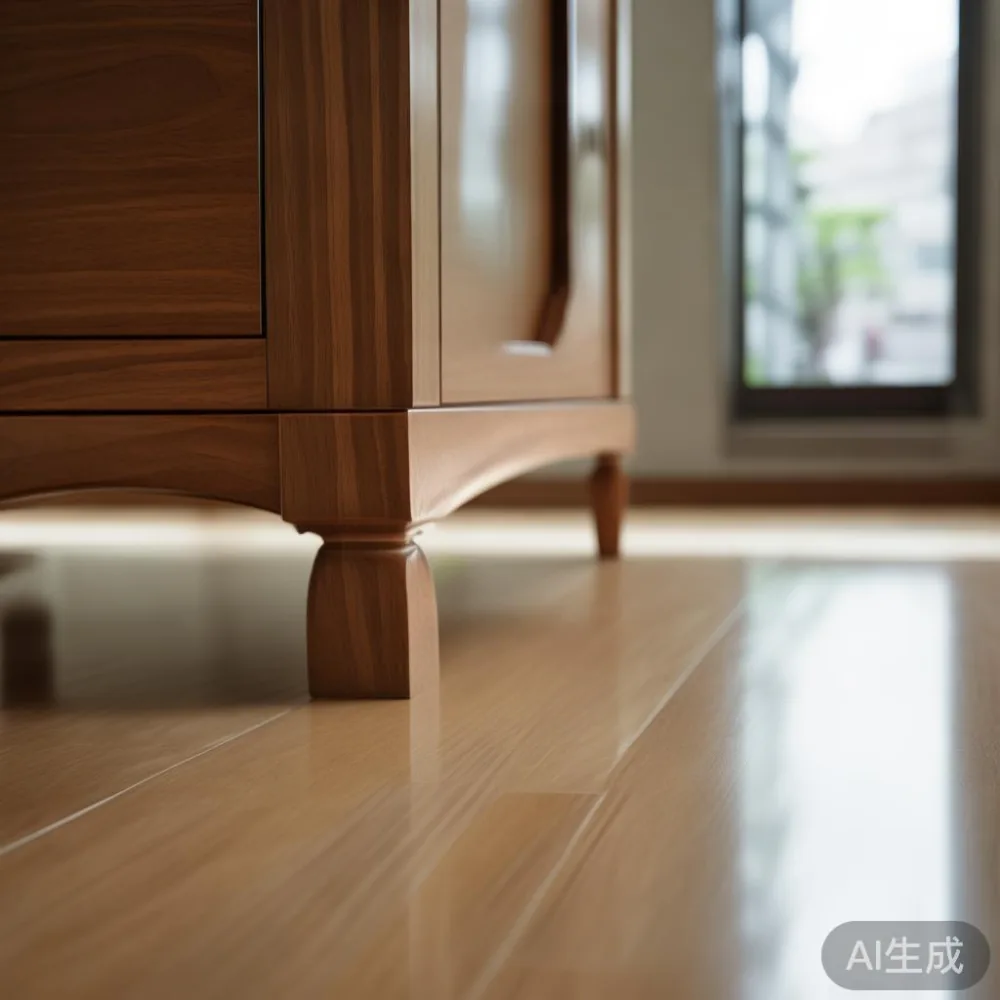
Why Singapore's climate is uniquely hard on lacquer
Two facts about our tropical climate do most of the damage. First, the daily swing. In a non-air-conditioned corridor, ambient humidity can move from 92% at 6 a.m. to 71% at 2 p.m. when the afternoon sun hits the wall. Lacquered wood prefers a slow, narrow swing — ideally 50–65% RH. Second, the wet-dry microclimate inside the home. The kitchen and the bathroom push humidity upward; the air-conditioned bedroom pulls it downward. A lacquered wardrobe pressed against an unplastered HDB wall in Bedok can absorb moisture from one side and dry from the other, leading to cupping at the door panels within 18–24 months if left unattended.
A practical target is to keep the room holding 55–65% RH, measured at wardrobe height with a SGD 12 digital hygrometer from any electronics shop in Tampines Mall. If the reading is consistently above 70% in the room where your solid wood sofa, dining table, or bed frame sits, run a dehumidifier. A standard 12 L/day domestic unit costs roughly SGD 220–SGD 320 and uses about 1.2 kWh per night. Over a year, that is around SGD 130 in electricity, a modest line item compared with refinishing a 1.8 m lacquered dining table, which can cost SGD 280–SGD 420 if sent to a workshop.
How do I choose a industrial style for a bedroom?
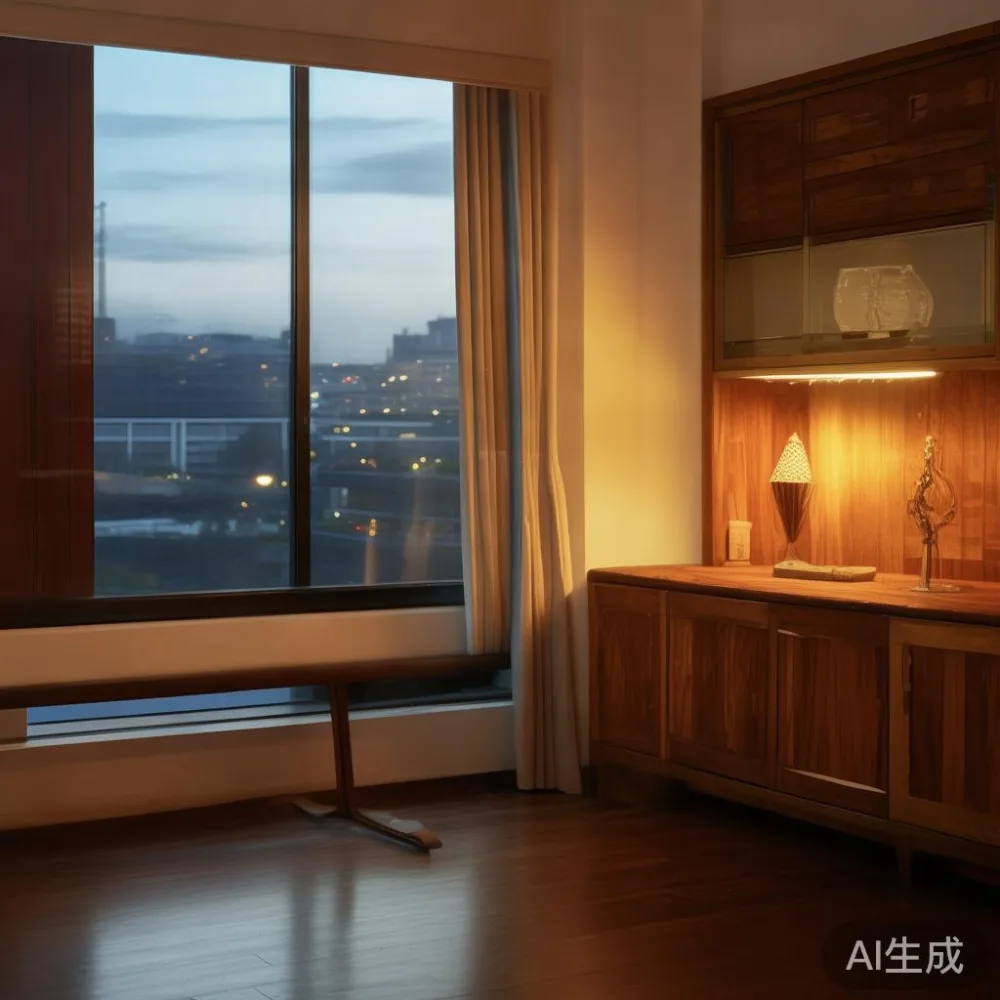
Choose industrial style by anchoring one raw-material hero piece — usually a blackened steel-frame solid wood bed frame or a riveted wardrobe — and keeping the surrounding lacquered furniture in low-gloss warm tones so the metal reads as accent, not as noise. In a 12 sqm HDB bedroom in Punggol, that means a single blackened steel bed frame around 1.5 m wide, one lacquered nightstand in walnut tone (about SGD 420 retail), one wall-mounted black reading lamp, and either an exposed-concrete paint effect on one feature wall or, more practically for HDB, a concrete-look vinyl panel kept behind the headboard only. The lacquered pieces in this setup should be matte, not high-gloss, because matte lacquer hides the micro-swelling that humidity will eventually cause; a piano-gloss finish will highlight every cloud within the first 12 months in our climate.
If you are buying from a maker like MIDHILL, a Foshan solid wood furniture factory established in 2008 and exporting to more than 15 countries, ask specifically for a matte or satin lacquer rather than the default high-gloss most showroom samples wear. Their 10-year structural warranty covers the joinery, and the lifetime refinishing service applies to lacquer refresh too — a detail worth confirming at point of sale, because sanding back and re-lacquering a 1.6 m dining table top in Singapore typically runs SGD 260–SGD 380.
The 10-minute weekly care routine that prevents 90% of lacquer damage
Most lacquer failure I see in Singapore homes is not dramatic peeling; it is a slow build-up of mineral dust from the air, which then bonds to the surface under humidity. A simple weekly routine keeps that from happening.
Step one: dry dust with a microfiber cloth (about SGD 6 for a 3-pack at any neighbourhoodmart). Never use a feather duster on lacquer — it redistributes the grit. Step two: wipe once with a barely damp cloth, then immediately follow with a dry cloth. Water left to sit on lacquer for more than 30 seconds in our climate can leave a faint white ring, especially on darker walnut or rosewood tones. Step three: every 8–12 weeks, apply a tiny amount of paste wax (a 250 ml tin costs around SGD 18–SGD 25 and lasts 12–18 months for an average household) using a soft cloth, in the direction of the grain. Paste wax is the lacquer's best friend in a tropical climate because it adds a sacrificial layer that absorbs the humidity cycle.
What you should not do: do not spray polish directly onto the surface. Do not use silicone-based polishes — they smell pleasant in the showroom and then ghost the finish, making any future refinishing much harder. Do not place a lacquered marble table or dining table within 1.2 m of an open window that gets afternoon sun; UV plus heat will amber light-toned lacquers within 9–14 months.
Delivery, lift widths, and the assembly-difficulty reality in HDB blocks
Anyone who has lived through a furniture delivery in a Tampines HDB block knows the lift dimensions are the actual boss fight, not the assembly. Standard HDB passenger lifts are roughly 1.1 m wide by 1.4 m deep with a door opening of about 0.9 m; service lifts in newer BTOs are 1.3 m by 1.7 m. A fully assembled 1.8 m lacquered dining table will not fit through the standard lift. Even a 1.5 m wardrobe, if pre-assembled, will not clear the door on its side. This is why the assembly-difficulty question matters more here than in landed housing.
Three rules follow. First, request flat-pack delivery whenever possible. A well-designed solid wood bed frame from a maker with proper engineering should arrive in 3–5 cartons for a queen size, each weighing under 35 kg — important because the lift weight limit in older HDB blocks is 630 kg, and a fully assembled wardrobe can exceed 90 kg by itself. Second, ask for the assembly-difficulty rating in writing. A flat-pack queen bed frame from an experienced maker should assemble in 45–75 minutes with two people and a hex key; a wardrobe should take 90–150 minutes. If the seller cannot give you a time estimate, the assembly-difficulty is likely higher than advertised. Third, check the corridor. HDB corridor widths inside the block are about 1.2–1.5 m; in Punggol newer blocks with the wider accessibility corridor, you get 1.8 m. Measure before ordering anything over 2 m tall.
For landed terrace houses in Bedok and the Joo Chiat area, delivery is usually easier, but the staircase turn radius becomes the constraint. A 2.4 m wardrobe panel will not make a 90-degree turn up a standard 0.9 m-wide staircase. Ask the seller in advance whether the wardrobe can be split vertically — most solid wood wardrobes from experienced factories are designed to be split at the join between the topper and the main cabinet, which keeps structural integrity intact.
What to do when lacquer already shows haze, rings, or micro-cracks
Light haze or white rings usually respond to a gentle wax-and-polish cycle. Apply a small amount of paste wax, let it sit for 5 minutes, then buff with a clean microfiber cloth in straight lines along the grain. Repeat two or three times over a week. In most cases, a 6-month-old haze on a satin lacquer will lift within two sessions.
Micro-cracks along the grain — those fine lines you see when light catches the surface — mean the lacquer has lost adhesion in spots. Do not try to fill them yourself with wood filler; you will lock in moisture and accelerate the problem. Instead, document the cracks with photos and the date of purchase, and contact the seller. If the piece is under 3 years old and was sold with any structural or finish warranty, this is a warranty conversation. A reputable maker should offer either a workshop refinish (you ship the top or the door panel back) or, in some cases, send a refinisher to your home. For context, an in-home lacquer refresh on a 1.6 m dining table top typically costs SGD 180–SGD 260 in Singapore; sending it to a workshop runs SGD 260–SGD 420 once you add transport.
Genuine peeling or flaking, especially near the edges, almost always points to prolonged water exposure — a leaking planter, a cold-drink ring left overnight, or an air-con drip line pointed at the wardrobe side. In those cases, the affected panel needs to be sanded back to bare wood, sealed, and re-lacquered. This is also where a lifetime refinishing promise pays for itself. MIDHILL's lifetime refinishing offering, for example, is the kind of after-sale policy that matters more in year five than on the day of delivery, because by then the joinery is settled and you only need the surface refreshed.
Cost-of-ownership math for a Singapore lacquered furniture buyer
Let us anchor the numbers to a realistic scenario: a Singapore household in a 4-room BTO in Punggol buying a queen-size solid wood bed frame, a 1.6 m lacquered dining table, a 2-door wardrobe, and two nightstands. Retail at a credible light luxury showroom in Singapore today runs roughly: bed frame SGD 1,400–SGD 2,200; dining table SGD 1,800–SGD 2,800; wardrobe SGD 2,200–SGD 3,400; two nightstands SGD 600–SGD 900. Total around SGD 6,000–SGD 9,300 before GST. With Singapore GST at 9%, add another SGD 540–SGD 840.
Delivery in Singapore for furniture over SGD 350 is often free, but lift-access surcharges of SGD 40–SGD 80 per item are common for HDB blocks. Assembly, if you do not DIY, runs SGD 60–SGD 120 per piece. Over a 10-year horizon, assuming one paste-wax routine every quarter (about SGD 30 in wax per year), one professional polish every 3 years (SGD 180–SGD 260 per session), and one workshop refinish on the dining table in year 7 (SGD 320), your total 10-year care cost lands at roughly SGD 1,800–SGD 2,600 — about 18–28% of the original purchase price. That ratio is normal for lacquered solid wood and is the right baseline to compare against any "lifetime warranty" claim you read on a product page.
Two final notes worth keeping. First, the Japandi Scandinavian furniture Japan aesthetic that many Singapore owners now favour — pale oak, low-contrast grain, matte lacquer — is, by accident, well suited to tropical care. Pale lacquer hides the micro-swelling better than dark walnut, and the matte finish absorbs the daily humidity swing without visible stress marks. Second, when you are comparing two seemingly identical lacquered dining tables that differ by SGD 400 in price, the cheaper one is almost always using a thinner lacquer coat (1–2 coats) versus the better one (4–6 coats with sealer). Ask the seller for the coat count; it is the single most useful answer you will get about long-term lacquer durability in our climate.
Owning lacquered solid wood in Singapore is not difficult, but it is specific. The piece will outlive a flat-pack laminate alternative by 15–25 years if you give it the ten minutes a week it asks for, a SGD 25 tin of paste wax every few months, and a dehumidifier in the room where it lives. The difference between a piece that looks tired at year three and one that looks quietly better at year ten is rarely the brand; it is the aftercare rhythm you set in month one.