The Tropical Test: Caring for Lacquered Surfaces in Singapore's HDBs and Condos
Moving into a new apartment in Singapore, whether it's a compact 90-square-metre HDB flat in Tampines or a spacious condo unit in Punggol with a view of the water, is an exciting venture. You've invested in beautiful, solid wood furniture—a statement piece like a dining table for 6, a substantial bed frame, or a sleek wardrobe to anchor your bedroom. The finish is often a high-gloss or satin lacquer, a choice that brings a touch of French light luxury or American light luxury to your home. However, this beauty comes with a specific set of challenges in our local climate. The constant heat and humidity, averaging 80% to 90% year-round, can be relentless on furniture finishes. Understanding how to protect your investment is key to ensuring it remains a centrepiece of your home for years to come.
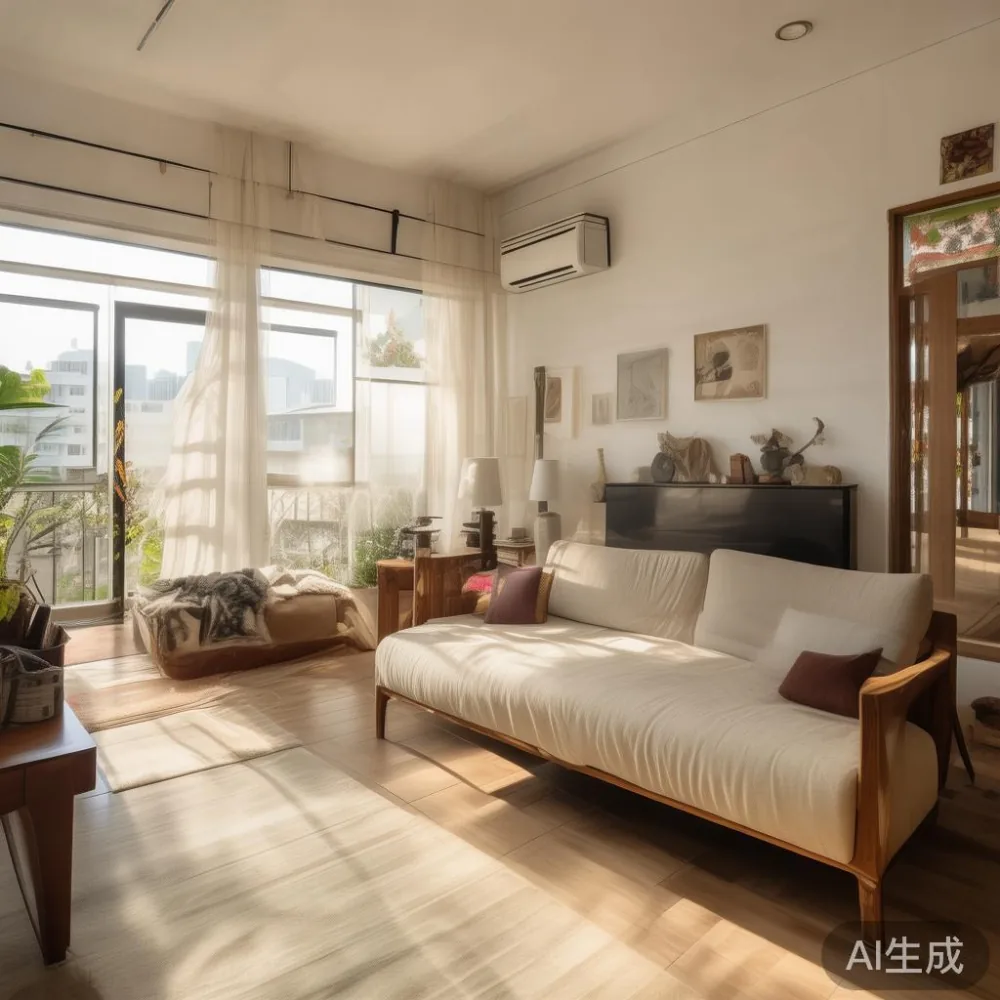
Why Does Singapore's Climate Pose Such a Challenge for Lacquered Surfaces?
The core issue is moisture. A lacquered surface, while durable, is not completely impermeable. Think of it as a high-tech plastic film over the wood. In a tropical climate like Singapore, the air is saturated with water vapour. This moisture constantly seeks to penetrate and escape. When it gets trapped between the wood and the lacquer, it can cause several problems. The most common is hazing, where the finish becomes cloudy or milky-looking. In severe cases, the moisture can cause the wood itself to expand and contract at a different rate than the lacquer, leading to cracking, peeling, or bubbling. This is especially true for large, flat surfaces like a marble table top or the wide panels of a wardrobe. For those who have recently handled the assembly difficulty of a complex dining set or a large wardrobe, the last thing you want is to see your hard work compromised by environmental factors.
Is a High-Gloss Finish Really Suitable for My Singapore Home?
This is a common and valid question. The allure of a high-gloss finish is undeniable—it reflects light beautifully, creating an illusion of more space and a modern, clean aesthetic. However, in a humid environment, a high-gloss surface can be a magnet for water spots and streaks. A single glass of water left on a table without a coaster can leave a permanent-looking mark. Also, any dust or fine particles in the air will adhere to the surface more readily, requiring more frequent cleaning. For those who prefer a lower-maintenance option, a satin or matte lacquer provides a softer sheen that is more forgiving and hides minor imperfections and fingerprints better. My colleague, Sarah, who lives in a Bedok HDB, recently switched from a high-gloss dining table to a satin-finished one for this very reason. She noted that the difference in upkeep was significant, and she no longer worries about every single smudge.
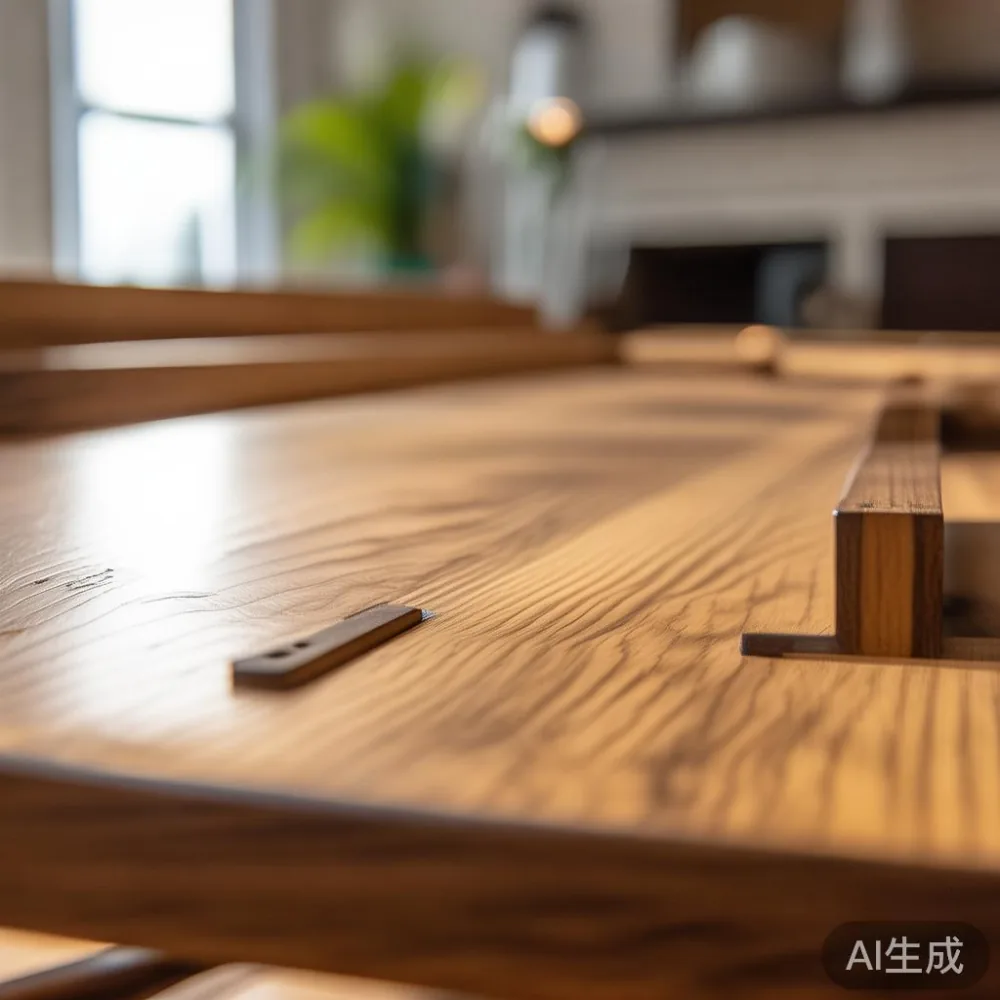
Daily Habits: The First Line of Defence Against Humidity
Prevention is always better than cure. The simplest and most effective way to care for your lacquered furniture is to adjust your daily habits. Always use coasters under glasses, cups, and vases. This prevents condensation from forming directly on the surface. Placing hot plates or dishes directly on a lacquered table, even for a moment, can create a heat ring that damages the finish. Use trivets or placemats instead. When cleaning, never use a soaking wet cloth. Always wring it out thoroughly so it is only damp. A microfiber cloth is ideal as it is soft and won't scratch the surface. Wipe in the direction of the wood grain, if visible, to avoid creating streaks. For dusting, a soft, dry feather duster or a microfiber cloth is perfect. These small, consistent actions will make a world of difference in preserving the integrity of your lacquer.
Deep Cleaning and Polishing: A Gentle Approach
Even with the best daily habits, your furniture will occasionally need a deeper clean. For regular maintenance, a mixture of one part mild dish soap to ten parts lukewarm water is sufficient. Dip a soft cloth into the solution, wring it out until it is almost dry, and then wipe the surface. Immediately follow with a clean, damp cloth to remove any soap residue, which can leave a film if not properly rinsed. Finally, buff the surface dry with a soft, dry microfiber cloth. For polishing, avoid silicone-based or wax-based polishes. These can build up over time, creating a hazy film that traps dirt and makes future cleaning difficult. Instead, use a dedicated furniture polish designed for lacquered or high-gloss surfaces. Apply a small amount to a soft cloth and buff it gently onto the furniture. This will restore shine without leaving a residue.
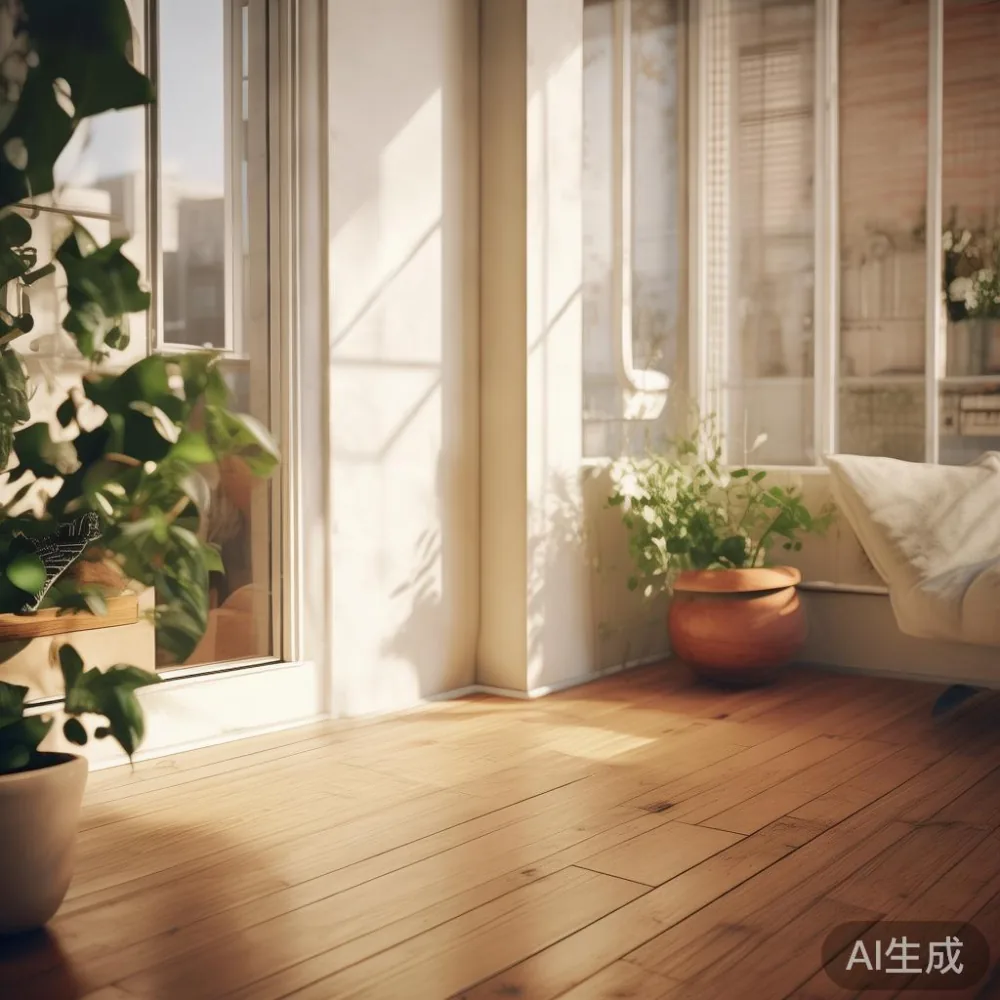
Managing Environmental Factors in Your Singapore Flat
While you can't control the weather outside, you can manage the environment inside your home. Air conditioning is your best friend. Running your AC consistently helps to dehumidify the air, creating a more stable climate for your furniture. If you live in an older HDB flat in Tampines with less powerful air conditioning, or in a Punggol condo where you prefer to keep the windows open, consider using a dehumidifier, especially in the bedroom and living room. Place your furniture away from direct sources of heat and moisture. This means keeping it away from windows that get direct sun, which can fade the lacquer over time, and away from air conditioning units that drip condensation. If you notice a musty smell in your wardrobe or storage unit, placing a silica gel desiccant packet inside can help absorb excess moisture and protect the interior finish of your wardrobe.
What About Spills and Accidents? A Step-by-Step Guide
Accidents happen. The key is to act quickly. The longer a liquid sits on a lacquered surface, the greater the chance of it penetrating the finish. If you spill water, wine, or any other liquid, immediately grab a soft, absorbent cloth. Blot the spill gently. Do not rub, as this can spread the liquid and push it into the finish. Continue blotting until the area is completely dry. For sticky spills like juice or soda, first, blot up as much as you can. Then, dampen a corner of a cloth with a mild soap solution and gently clean the area. Rinse the cloth, wring it out, and wipe away the soap. Dry the spot immediately with a clean, dry cloth. For oil-based spills, like from a cooking pot, the process is similar, but you may need to use a little more of the soap solution to break down the grease.
When to Call a Professional: Repairing Your Lacquered Furniture
Minor scratches and scuffs can often be buffed out at home with a high-quality scratch repair kit designed for lacquered or glossy surfaces. However, for more significant damage like deep cracks, bubbling, or large areas of peeling, it is best to call a professional. Attempting a DIY repair can often make the problem worse. A professional furniture restorer has the tools and expertise to properly sand and refinish the damaged area, blending it smoothly with the surrounding surface. The cost for such a repair can vary, but you should budget for at least SGD 150 to SGD 400 depending on the extent of the damage and the size of the piece. This is a worthwhile investment to preserve the value and appearance of a high-quality piece of furniture.
Choosing the Right Furniture for Your Humid Singapore Home
When selecting new furniture, it pays to consider the local climate. Solid wood is a fantastic choice for its durability and timeless beauty, but the finish is paramount. As you browse options, perhaps looking for a Modern light luxury for bedroom set or a new dining table, pay close attention to the type of lacquer used. A multi-layered, catalyzed lacquer is generally more resistant to moisture and heat than a basic nitrocellulose lacquer. The assembly difficulty of a piece is also a consideration; complex pieces with many joints and seams can be more vulnerable to moisture ingress over time. For those who appreciate a specific aesthetic, understanding the practical implications is important. For instance, the question of European light luxury bed vs Nordic bed often comes down to preference, but the former might feature more ornate detailing that requires careful dusting in a humid environment. Similarly, when considering a MIDHILL French provincial bed, its classic charm is undeniable, but its detailed carvings will need consistent attention to prevent dust buildup in the humid air.
The Long-Term Value: A 10-Year Perspective
Purchasing well-made furniture is a long-term investment. A quality piece from a reputable maker like one of the established Foshan furniture houses is built to last. The 10-year structural warranty offered by many premium brands is a proof of their confidence in the craftsmanship. This warranty covers the frame and joints, ensuring the core integrity of the piece. However, the finish is your responsibility to maintain. Proper care will not only keep the furniture looking beautiful but will also protect the underlying wood, preventing warping or rot. This extends the life of your furniture indefinitely. A solid wood sofa or bed frame that is well-cared for can become a family heirloom, passed down through generations. The initial cost is higher, but the longevity and enduring beauty make it a financially sound choice over time.
How to Style a European Sofa in Your Singapore Apartment
Incorporating a how to style European sofa in apartment can improves your living space, but it requires thoughtful placement in our unique context. In a typical Singapore condo living room, which might measure 4 metres by 5 metres, a large European-style sofa needs to be positioned to maximise space without overwhelming it. Consider placing it against the longest wall to create a clear focal point. The high-gloss finish of many European sofas can reflect the view from your window, making the room feel larger and brighter. Pair it with a marble coffee table in a lighter hue, like Calacatta gold, to complement the sofa's luxurious feel without making the space feel too heavy. In a smaller HDB flat, a more compact european sofa bed with storage can be a brilliant solution, offering both seating and a guest bed while cleverly hiding away bedding and linens. This addresses the space constraints common in Singapore homes while still providing a touch of light luxury.
Is a Mid-Century Modern Bed Worth the Investment in a Humid Climate?
The clean lines and organic forms of a mid-century modern bed are incredibly popular. When asking is Mid-century modern bed worth it, the answer in a humid climate is a qualified yes. The design itself is often quite simple, with fewer nooks and crannies for dust and moisture to accumulate compared to more ornate styles. However, the material is key. Many mid-century pieces are made from teak or walnut, which are naturally more resistant to humidity than other woods. The finish is still critical. A high-quality, moisture-resistant lacquer is non-negotiable. The assembly difficulty of a mid-century bed frame is usually lower than that of a highly ornate French provincial piece, which can be a practical benefit. The value lies in its timeless design and durability. A well-made mid-century bed will not only withstand the Singapore climate but will also remain stylistically relevant for decades, making it a worthwhile purchase for those who appreciate minimalist, functional design.