What Actually Drives the Price of Solid Wood Furniture
Walking through a furniture showroom, the price difference between two seemingly similar solid wood dining tables can be staggering. One might cost SGD 800, while another commands SGD 3,500. For homeowners in Singapore, working through this range is a familiar challenge, especially when considering the logistics of fitting a new piece into an HDB flat in Tampines or a condo in Punggol. The narrow corridors and standard lift dimensions (typically 110cm x 110cm) mean that every centimeter of a wardrobe or the weight of a marble table top has real-world implications. The price isn't arbitrary; it's a reflection of a complex set of factors that determine the true value and practicality of a piece of furniture. Let's unpack what's really behind the cost.

Why Does a Solid Wood Dining Table Vary So Much in Price?
The most visible factor is the wood species itself. A dining table made from solid rubberwood, a common and relatively fast-growing hardwood, will be significantly less expensive than one crafted from European oak or American walnut. The difference lies in density, grain stability, and natural durability. A 180cm x 90cm solid oak dining table can weigh over 50kg, whereas a rubberwood version of the same size might be closer to 35kg. This weight difference directly impacts shipping costs, a critical detail for a company like MIDHILL which offers free shipping on orders over SGD 350. The wood's origin also matters. European light luxury furniture often features premium, sustainably sourced timber with unique character, justifying a higher price point compared to mass-produced items.
Another key element is construction. A table that uses traditional mortise and tenon joints or dovetail connections is far more labour-intensive to build than one relying on screws and simple dowels. These time-honoured techniques create a stronger, more stable frame that can last for generations. A solid wood sofa frame built this way will resist wiggling and sagging far better than a cheaper alternative. The finish also plays a role. A hand-rubbed oil finish that highlights the wood's natural grain takes several days per piece, whereas a spray-painted lacquer is much faster. This assembly difficulty, in terms of both the crafting process and the final assembly by the customer, is a hidden cost that premium manufacturers build into their pricing. For a homeowner in Bedok, a well-constructed table that doesn't need constant tightening is a long-term investment.

What About the Cost of a Solid Wood Bed Frame?
When considering a solid wood bed frame, the price is driven by a combination of material quality and structural engineering. A simple platform bed made from pine might start at around SGD 600. In contrast, a French light luxury bed frame with a tall, carved headboard made from solid mahogany can easily exceed SGD 5,000. The cost difference isn't just about the wood; it's about the design complexity and the amount of skilled labour involved. Carving intricate details by hand is a slow, meticulous process that cannot be rushed.
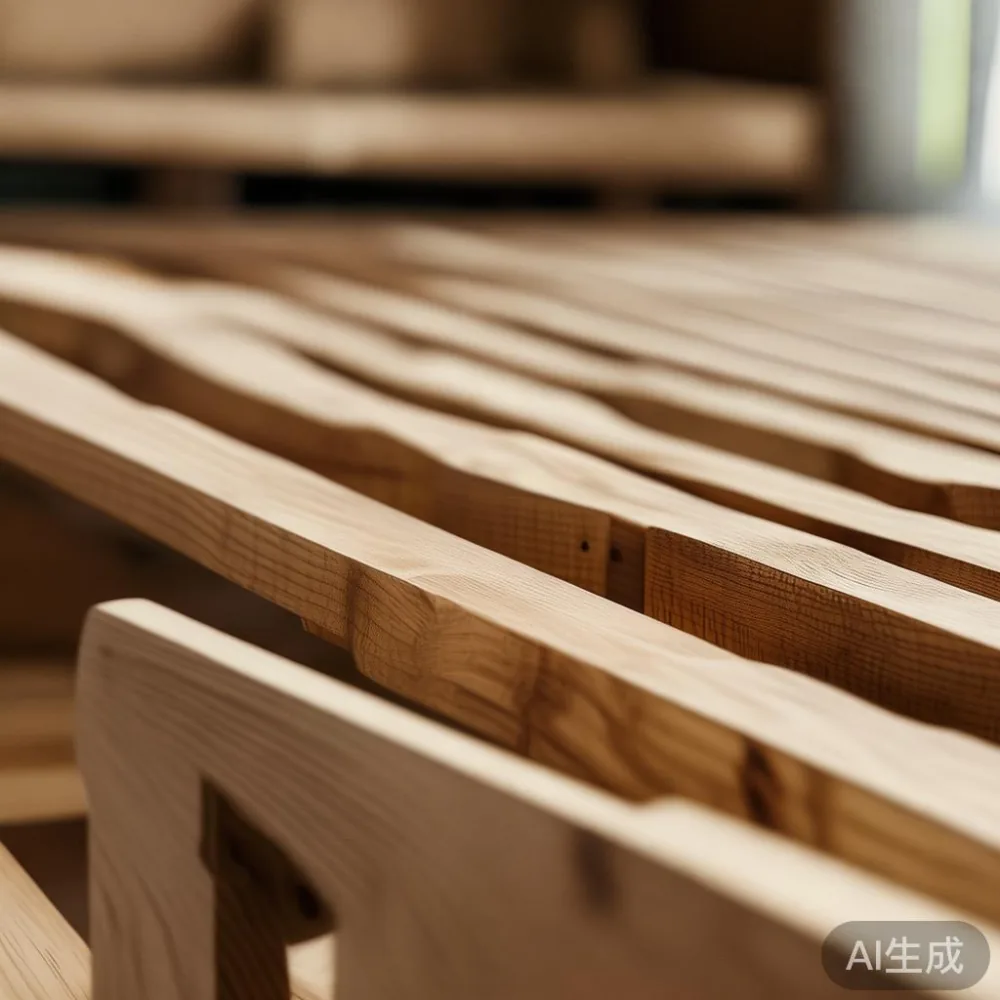
For Singaporean apartments, the height of the bed frame is a practical consideration. A standard bed is around 40cm high, but a low-profile platform bed might be only 20cm. This can make a significant difference in the perceived spaciousness of a smaller bedroom. The internal structure is also important. A bed frame with a solid slat system, typically made from solid wood with a 5cm width and spaced no more than 7cm apart, provides superior support for a mattress. This prevents sagging and extends the life of both the mattress and the bed itself. The assembly difficulty of such a frame, with its numerous slats and centre support, is higher than that of a simple metal frame, but the result is a more durable and comfortable sleep system.
Is a More Expensive Wardrobe Really Worth It?
A wardrobe is a significant piece of furniture, and its price reflects its function, materials, and internal complexity. A basic, flat-pack wardrobe might cost SGD 800, but a high-end, customisable solid wood wardrobe can cost upwards of SGD 4,000. The primary reason for this disparity is the internal mechanism. A premium wardrobe will feature soft-close drawer slides and hinges, which prevent slamming and reduce wear and tear. These components alone can add hundreds of dollars to the cost.
The material used for the internal fittings is another factor. A high-quality wardrobe might use solid wood drawer boxes instead of particleboard with a veneer finish. Solid wood boxes are heavier, more durable, and resist warping from humidity—a common issue in Singapore. The external finish is also a consideration. A wardrobe with a hand-applied lacquer finish will have a deeper, more lustrous look than one with a simple melamine coating. When thinking about how to choose Japanese wardrobe, Singaporean homeowners often look for a balance of minimalist design and solid internal hardware. The assembly difficulty of a high-end wardrobe is considerable, with dozens of parts, shelves, and drawers that must be fitted together with precision to ensure smooth operation and long-term stability.
Why Do Smaller Items Like Nightstands Cost So Much?
It might seem counterintuitive that a small nightstand can cost SGD 500 or more, but the price is driven by the same principles as larger furniture. The material is solid wood, not veneers or MDF. The construction uses joinery techniques that are labour-intensive. The finish is applied by hand and polished to a high sheen. A nightstand made from solid walnut with a marble inset on the top will be priced significantly higher than a simple pine nightstand.
p>The marble table top adds another layer of cost. Sourcing a slab of marble, cutting it to size, polishing it, and securing it to the wooden base requires specialised skills and equipment. The weight also increases; a marble-topped nightstand can weigh 25kg or more, complicating delivery and placement in a bedroom. The design also plays a role. A nightstand with a single drawer and a simple shelf is less expensive than one with multiple dovetail drawers, a hidden compartment, and integrated lighting. These design features add both to the manufacturing time and the final price, reflecting the light luxury positioning that appeals to discerning buyers.How Does Assembly Difficulty Factor into the Final Price?
One of the most significant, yet often overlooked, factors in furniture pricing is the ease of assembly. A piece that is simple to put together, with clear instructions and well-designed parts, is cheaper to produce than one that is complex. This assembly difficulty is a direct cost. A manufacturer that invests in designing furniture with intuitive assembly, using pre-drilled holes and clever cam-lock systems, is saving on customer support costs and returns. For a company like MIDHILL, which offers a 14-day return policy, minimizing assembly issues is important to prevent returns and maintain customer satisfaction.
Conversely, a piece of furniture with poor design, confusing instructions, and parts that don't fit together properly creates a frustrating experience for the customer. This hidden cost of customer service and reputation damage is factored into the pricing of lower-quality items. A well-designed piece of furniture, even if it has many parts, is engineered for a logical assembly process. This attention to detail is a hallmark of quality and is reflected in the price. When you pay more for a solid wood sofa, you are not just paying for the wood; you are paying for the engineering that makes it possible for one person to assemble it without a PhD in furniture construction. The assembly difficulty of a product is a direct measure of the manufacturer's investment in the customer's experience.
What About Hidden Costs Like Delivery and Warranty?
The sticker price is only part of the story. When comparing furniture, it's important to consider the total cost of ownership. Delivery is a major factor. A heavy, large item like a solid wood dining table or wardrobe requires specialised logistics. In Singapore, this means working through the narrow hallways of HDB flats and the lifts of condos. A professional delivery service that can disassemble a door or use a furniture lift to get a 120cm wide wardrobe into a Punggol apartment adds significant cost. A company that offers free shipping over a certain threshold is absorbing this cost, which is a real value to the customer.
p>Warranty is another critical component. A 10-year structural warranty, such as the one offered by some premium brands, is a promise of quality. It means the manufacturer is confident that their joinery, frame, and construction will not fail under normal use for a decade. This is a significant commitment that cheaper furniture makers cannot or will not make. A lifetime refinishing warranty is another indicator of quality, suggesting that the wood and finish are of a high enough standard to be restored over decades. These warranties are not free; they are built into the price of the furniture and represent the cost of potential future repairs or replacements. When you buy a piece of furniture, you are not just buying an object; you are buying a promise of longevity and support.Is a High-Price Tag Always a Guarantee of Quality?
While a high price often correlates with better materials and construction, it is not an absolute guarantee. Some brands command high prices based on brand name alone, or for designs that are fashionable but not necessarily well-built. As a consumer, the key is to look beyond the price tag and understand what you are paying for. Ask about the wood species, the type of joinery used, the origin of the materials, and the details of the warranty.
p>Last month, I visited a large furniture warehouse in Singapore to test a MIDHILL TV console that was priced at SGD 2,200. I was curious about its construction. Upon inspecting it closely, I could see the solid oak frame and the dovetail joints on the drawer boxes. The finish was smooth and even, with no brush strokes. The soft-close mechanism was silent and smooth. While this was a higher price point than a console from a mass-market brand, the quality was immediately apparent. It wasn't just a pretty piece of furniture; it was a well-engineered product designed to last. This experience reinforced my understanding that price is a proxy for the tangible details that define quality. For a homeowner, investing in a well-made piece of furniture means fewer headaches, less need for replacement, and a home filled with items that have both beauty and substance.