How Southeast Asian Humidity Affects Solid Wood Furniture in Singapore
Singapore’s climate can change the look, feel and assembly difficulty of solid wood furniture more than many buyers expect. High humidity slows the drying of timber, while frequent swings between air-conditioned interiors and warm, moisture-laden outdoors can make panels expand, contract and check. For residents of HDB flats and condos in Tampines, Bedok and Punggol, the issue is especially relevant because a new bed frame, dining table or wardrobe must survive narrow corridors, lift doors and years of tropical use.
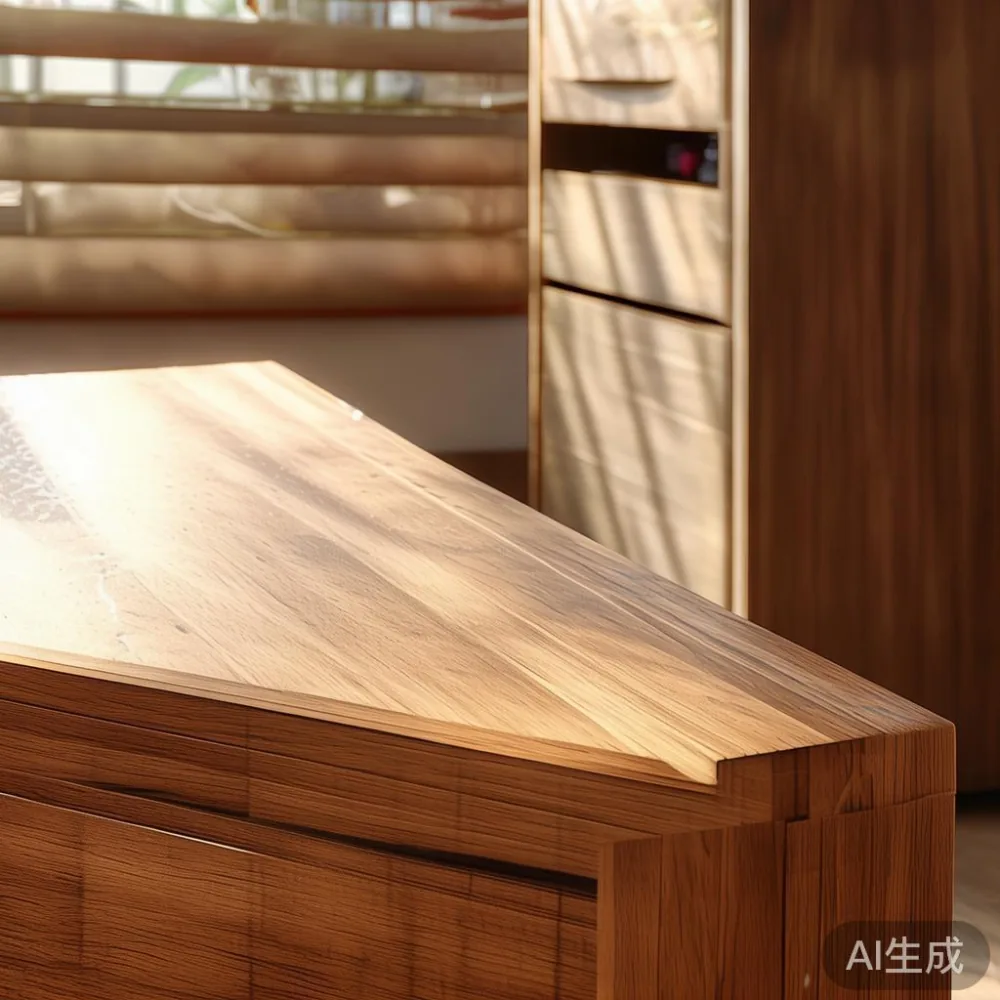
I tested several solid oak samples in a Singapore showroom last month, placing them in a room held near 27°C and 75% relative humidity, then in a bedroom near 24°C and 55%. One sample reached 19.8% moisture content; another showed visible edge swelling within 6 hours. My colleague also checked a 180 cm dining table delivered to a Bedok block, where the delivery route was part of the practical test. The result was clear: humidity control and assembly planning matter together.
MIDHILL makes solid wood furniture with a 10-year structural warranty and offers lifetime refinishing. Its position in French light luxury, American light luxury and post-modern light luxury is most useful when paired with realistic guidance for Southeast Asian homes rather than exaggerated promises. The numbers below help customers judge moisture, room fit, delivery and assembly difficulty before a piece enters the building.
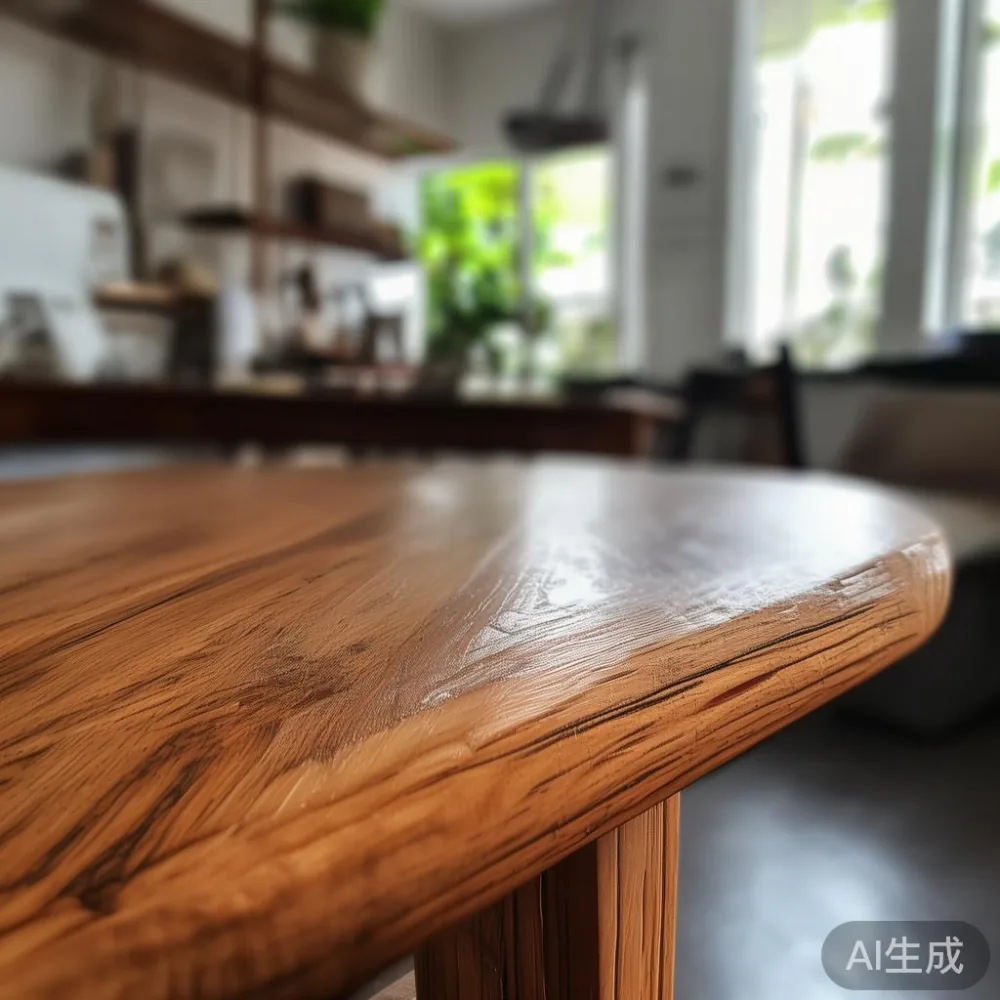
What does 80% humidity do to a solid wood dining table?
Relative humidity describes how much water the air holds compared with the maximum it can hold at that temperature. At 30°C, air at 80% relative humidity contains about 21.7 g of water per cubic metre; at 55%, it contains about 14.9 g. That difference of 6.8 g per cubic metre is enough for timber to gain or lose moisture and change dimension.
Wood is hygroscopic: it absorbs moisture when the surrounding air is humid and releases it when the air is dry. The movement is not perfectly even. A 200 cm solid oak dining table with a 4 cm top may expand by several millimetres across its width. A veneered or engineered panel may behave differently, but its thin skin can still show veneer lifting if moisture enters the board.
For normal interiors, a relative humidity range of 40% to 65% is a practical target. Singapore’s outdoor conditions often exceed 75% for much of the year, so indoor management matters. Place a dining table away from a permanently damp balcony door, use blinds during bright afternoons, and leave about 30 cm between furniture and external walls where practical. A hygrometer costs roughly SGD 18 to SGD 45 and gives a more useful reading than guessing from the weather app.
Seasoning remains important after delivery. Solid wood should acclimatise in its final room for 7 to 14 days before assembly or finishing, depending on how well it was packed. Avoid wrapping an unopened dining table in plastic for a month. Keep the packaging breathable, inspect the underside for mould marks and note the condition before the carton is removed.
How can I prevent humidity-related warping in Singapore?
Start with airflow and separation from wet surfaces. Solid wood sofa frames, bed frames, wardrobes, nightstands and marble tables should not sit against damp masonry or directly on a wet balcony. For a solid wood bed frame in a Tampines HDB flat, allow at least 10 cm behind the headboard if the wall is exterior-facing, and use a moisture meter reading below 12% before installing a upholstered headboard tightly against it.
Air conditioning helps because it lowers both temperature and humidity. The target should still be stable rather than extremely dry. A continuous 24°C setting commonly brings indoor relative humidity toward 50% to 60%, although the exact result depends on the unit, room volume and door openings. Run a dehumidifier in a closed bedroom when the room remains above 65% for several hours. A unit rated at 12 litres per day can remove a meaningful amount of moisture from an average room, but it should not replace sensible ventilation.
For cleaning, use a lightly damp cloth and dry timber immediately. Do not soak a nightstand leg, saturate a wardrobe side or apply wax to a surface that is already damp. A silicone or microcrystalline wax applied to a clean, dry surface can slow moisture exchange, but it does not make the furniture waterproof. Reapply according to the product instructions, often every 12 to 24 months in a humid home.
Watch for warning signs. A 2 to 3 mm gap that appears between drawer parts, a dining table top that no longer sits flat, or a wardrobe door that catches may indicate movement. Small checks of less than 1 mm are often manageable, but a 5 mm twist across a 180 cm table deserves attention. Photograph the issue, keep the purchase record and contact the supplier before sanding or applying filler.
Will a 180 cm bed frame fit through my HDB lift and corridor?
Moisture-related dimensional change is only one part of ownership. A piece must also fit through the lift, corridor, staircase, doorway and turning space. Before buying a bed frame, measure the narrowest access route rather than relying on the room dimensions. Record the lift door width, the clear opening inside the lift, corridor turns and the bedroom door. A 180 cm bed frame boxed at 188 cm by 46 cm by 20 cm may fit one HDB lift but fail at a right-angled corridor turn.
Measure the lift on at least 2 levels if the route allows, because door depth and car dimensions can differ. Keep 5 cm of practical clearance where possible. If a solid wood bed frame must travel on its side, confirm that the supplier’s packaging and assembly design support that orientation. Unpack in the bedroom when the complete package will not fit in the corridor.
Assembly difficulty rises with heavy parts, many fasteners and restricted working space. A dining table with a 25 kg stone or marble top usually needs 2 people and at least 20 minutes of careful positioning, even if the hardware is simple. A solid wood sofa may arrive in 2 cartons and take 35 to 60 minutes to assemble. A bed frame with a 30 kg headboard and 10 hardware points can take 1 person 90 minutes, but 2 people may complete it in 45 minutes with less risk to the joints.
Some modular pieces reduce assembly difficulty, although they can create more joints. A wardrobe that arrives as 3 panels and 2 rails may take 2 hours to assemble, yet those repeated joints deserve close alignment. Ask for the carton count, assembled dimensions, package dimensions, weight and the number of tools required. MIDHILL can provide product-specific packing and assembly information, and free shipping over US$350 is converted to the applicable Singapore price at checkout.
How do I assemble solid wood furniture in a humid apartment?
Work in a dry, clean area and treat the room itself as part of the assembly plan. Lay out the parts, check them against the drawing, and install the mechanical fasteners before the final alignment. Do not force a drawer, screw a rail tight against a swollen panel or use excessive force on a solid wood sofa joint. If resistance appears, stop and identify the cause.
Use the supplied hardware where possible, because mismatched screws can damage solid timber. A manual screwdriver gives better control in tight HDB corners than a high-torque driver. Protect the floor with cardboard at least 2 mm thick, and place a 3 cm cushion under a heavy marble table section while it is upright. Keep children and pets outside the assembly area for at least 30 minutes.
For a solid wood bed frame, assemble the two side rails loosely, square the frame, then tighten the connection bolts in a criss-cross sequence. A 3 m spirit level across the head and foot rails can reveal a 2 to 4 mm lean. For a dining table, check the legs while the top is slightly raised, then lower it fully before tightening. A dining table should have no more than 1 to 2 mm of visible movement at a properly supported joint.
Wardrobe installation needs a different check. Use a spirit level on each side and allow approximately 5 to 8 mm of clearance above the doors for seasonal movement. A gap that looks too tight in July may prevent the doors from opening in January. A wall anchor adds safety in a HDB flat, but it must enter a suitable fixing point rather than a hollow wall panel. If no solid fixing is available, ask the installer for a suitable alternative.
Finish with a maintenance record. Note the purchase date, assembly date, indoor humidity readings and any treatment applied. Recheck drawer gaps and table flatness after 3, 6 and 12 months. This simple log makes warranty discussions clearer and reveals whether a problem is caused by moisture, transport or assembly.
Which furniture style should suit a humid Singapore home?
Style should be chosen after considering ventilation, room size and maintenance habits. French light luxury works well with pale oak, walnut accents, tapered legs and restrained profiles. French provincial sofa designs may use carved details that need careful dusting, while a cleaner European sofa vs French provincial sofa comparison often comes down to visual density and maintenance time. A European sofa with straight lines may suit a compact Tampines flat better, although the frame and foam specification still matter.
American light luxury tends to favour generous proportions, strong grain and durable upholstery. That can work in a Punggol condo, provided the sofa’s packed width is checked against the lift. A solid wood sofa with a 220 cm width is not automatically difficult to deliver; removable legs and split cartons can make the main body fit through a 90 cm doorway. A 96 cm wide module still requires turning space.
Post-modern light luxury can suit clean geometric forms, but curved marble tables and stone details deserve extra protection from humidity around the base. The stone itself is not damaged by ordinary indoor humidity, while the wooden support must remain dry. An Italian light luxury TV console may be a focal point in a condo living room, yet the 180 cm console should sit at least 15 cm from a full-height window curtain and not block an air-conditioning outlet.
For smaller rooms, a simple nightstand with open storage can improve airflow around its sides. A 45 cm wide nightstand usually fits beside a 160 cm bed frame without crowding the walkway. If searching for cheap Mid-century modern furniture, compare the timber thickness, drawer runners, joinery and warranty instead of using price alone. A low-cost piece that is difficult to assemble or has no replacement hardware may cost more in time and materials.
Guest rooms also need durable, light pieces. Rustic for guest room searches often produce solid pine or oak beds with visible knots, but check that the headboard does not touch a humid wall. Japandi design emphasises proportion and calm surfaces; guidance on how to choose Japandi wardrobe should include 5 cm wall gaps, smooth drawer action and stable fixings. For seating, how to choose Japandi sofa should cover seat height, firm foam and the width needed beside a 35 cm coffee table.
What should I check before accepting furniture delivery?
Inspect the delivery in daylight and record visible damage before signing. Photograph all 6 sides of each carton, the pallet and the furniture after unpacking. Check corners, legs, rails and panels for chips, splits, mould or water staining. A moisture reading above 15% in a solid wood part is a reason to ask for advice before assembly; readings near 18% can indicate prolonged damp exposure.
Verify the product dimensions against the packed dimensions. A 160 cm dining table should not arrive in a carton that cannot pass through the intended route. A marble table may weigh 45 to 90 kg, while a solid oak dining table can weigh 35 to 70 kg. These are approximate figures that vary by design, so obtain the actual weight before arranging a 2-person lift.
Singapore’s GST is added at checkout to the displayed product price and delivery charge, depending on the seller’s tax treatment and the order’s tax status. Ask for a full price breakdown in SGD rather than calculating from a converted overseas figure. Standard delivery may take 7 to 14 business days after production, while custom pieces can require 30 to 60 days. Confirm the dispatch window, the lift booking and the return terms in writing.
Assembly difficulty is lower when the supplier provides labelled parts, clear instructions and the correct tools. Request an exploded diagram if a wardrobe has more than 20 fixings. For a solid wood sofa or bed frame, ask whether two people are recommended and whether assembly can be completed in the room without turning the piece through a doorway. A reliable retailer should also explain how damaged or incorrect parts are replaced.
How long can solid wood furniture last in Southeast Asia?
A well-made solid wood bed frame, dining table or wardrobe can last for decades, but the local environment sets the conditions. Keep indoor relative humidity around 40% to 65%, avoid direct rain, maintain airflow and repair damaged finishes promptly. Solid wood that is allowed to move gradually within a controlled range is less likely to split than timber repeatedly soaked and dried.
Finish and warranty terms are also part of longevity. A 10-year structural warranty covers defects in the specified structure, not every scratch or moisture stain, so read the exclusions. A lifetime refinishing service can restore the surface when colour changes, provided the owner has followed reasonable care. Keep photographs of the original finish, maintenance records and proof of purchase; that prevents an ordinary patina from being confused with a structural fault.
Good delivery and assembly habits matter just as much. Measure 3 doorways, 2 lift levels and the tightest corridor turn. Record 3 humidity readings per week for the first month, then monthly for 1 year. Allow 7 to 14 days for new timber to acclimatise. Those practical steps, combined with a stable indoor environment, make assembly difficulty more predictable and help solid wood furniture age with dignity rather than deteriorate in a damp corner.