Choosing the Right Size for Your Singapore HDB Living Room
Selecting furniture for a Singapore Housing and Development Board (HDB) flat is a unique challenge. The spaces are designed for function, but they often require a thoughtful approach to layout and scale. A living room in a typical 4-room HDB flat in Tampines or Bedok might measure around 4.5 metres by 4.5 metres, giving you approximately 20.25 square metres of space. This isn't a lot, and a mistake in furniture size can make the room feel cramped and unwelcoming. The key is to balance aesthetic desires with practical constraints, including working through Singapore's narrow corridors and lift cars, and factoring in the 9% Goods and Services Tax (GST). This guide will walk you through the process of measuring, planning, and selecting furniture that fits perfectly, ensuring your living room is both beautiful and functional.
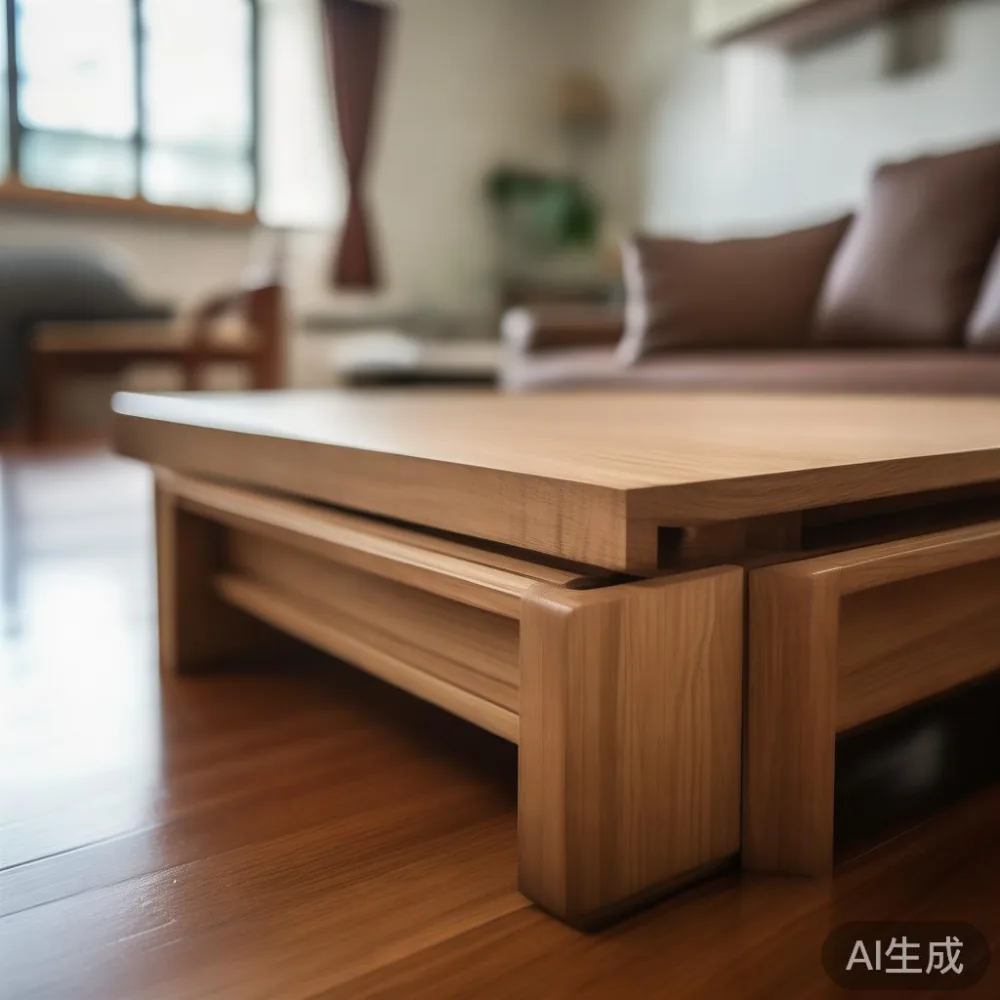
Measure Your Space: The Foundation of Smart Furniture Shopping
Before you even think about visiting a showroom or browsing online, you must have accurate measurements. Grab a measuring tape and a notepad. Start with the room's dimensions: length and width. Then, measure the permanent features that cannot be moved. This includes the width of your main entrance door (typically about 80 cm), the width of any corridor leading to the living room (often 100-120 cm), and the positions of windows, air-conditioning units, and power points. A critical measurement often overlooked is the height from the floor to the bottom of your window sill. If you plan to place a sofa against that wall, the sofa's back should not obscure the lower part of the window.
Next, map out your main traffic flow. This is the path you and your family members take most often to walk through the room. A good rule of thumb is to keep this primary pathway at least 75 cm wide. Imagine walking around the furniture with ease, not having to squeeze past the arm of a sofa or the corner of a coffee table. This clear path is fundamental to a comfortable living experience. Once you have these measurements, draw a simple floor plan on graph paper or use a free online tool. Sketch in the permanent features and then start placing cut-outs of your potential furniture to see how they fit. This simple exercise can save you from the headache of returning a large item that doesn't fit through your door.
How much does a king bed cost in Singapore?
A king bed in Singapore typically costs between SGD 2,500 and SGD 6,000, depending on the material and brand.
This price range reflects the market for quality bedroom furniture. For instance, a solid wood king bed frame from a reputable manufacturer like MIDHILL, known for its 10-year structural warranty, would likely fall into this bracket. It's an investment in your sleep and the room's aesthetic. Remember, this is just the bed frame. You will also need to budget for a king-sized mattress, which can cost an additional SGD 1,500 to SGD 4,000. When considering the cost, factor in the 9% GST applied at checkout. Also, consider the logistics. A king bed is large, often 180 cm by 200 cm. You must ensure it can be manoeuvred through your apartment door and up the stairs. Many furniture companies offer assembly services, which is a significant help, but confirming the item will physically fit is your responsibility.
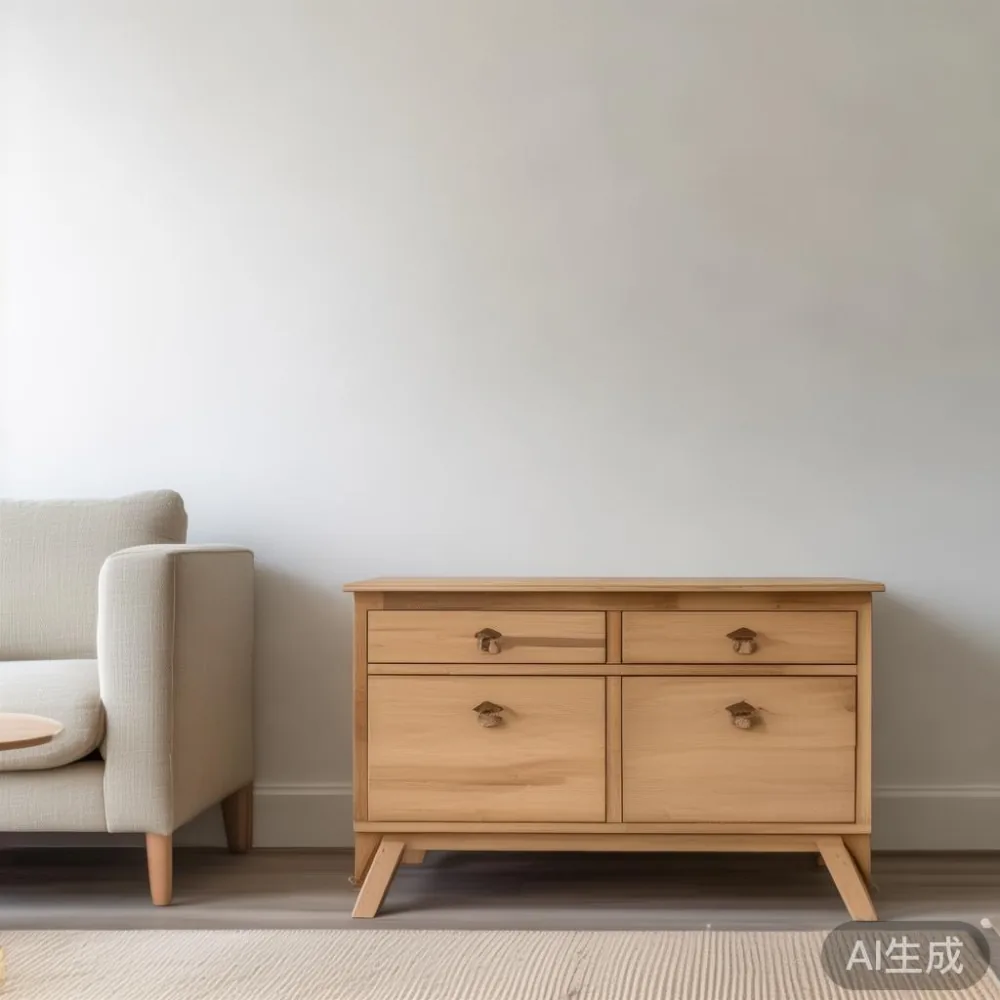
Sofa Selection: The Anchor of Your Living Room
The sofa is the largest and most important piece of furniture in most living rooms. Its size will dictate the layout of the entire space. For a standard Singapore HDB living room, a 3-seater sofa is often the most practical choice. A typical 3-seater measures about 180 cm to 210 cm in width, 85 cm to 95 cm in depth, and 80 cm to 90 cm in height. This provides ample seating without overwhelming the room. If you have a larger space, perhaps in a Punggol executive condominium, a 3-seater with a chaise lounge could work well, adding a touch of French light luxury with its relaxed, elegant form.
The depth of the sofa is important for both comfort and space. A deeper sofa (over 90 cm) is more luxurious for lounging but will protrude further into the room, potentially blocking walkways. A shallower sofa (around 85 cm) is more compact and better for smaller spaces. Consider the height of the sofa in relation to your coffee table. A standard coffee table is about 45 cm high. You want the sofa's seat height to be about 10-15 cm lower than the table for easy access to drinks and snacks. When choosing a sofa, think about the material. A solid wood sofa frame offers durability and a classic look, while the upholstery defines the style. For a post-modern light luxury feel, you might choose a sofa with clean lines, neutral tones, and perhaps subtle metallic accents in the legs.
Complementary Furniture: Coffee Tables, TV Consoles, and More
Once your sofa is placed, you can arrange the secondary pieces. The coffee table should be placed about 40-50 cm from the sofa. This distance allows for comfortable legroom. The size of the coffee table should be proportional to the sofa. For a 3-seater sofa, a coffee table that is 120-140 cm long and 60-70 cm wide is a good starting point. A marble table top can add a touch of elegance and is surprisingly durable for everyday use. However, be mindful of weight, as a solid marble top is heavy and can be difficult to move during cleaning.
The TV console is another key piece. Measure the width of your television and add about 20-30 cm on each side for a balanced look. The console should not be wider than the sofa itself. Ensure it has enough storage for your media equipment and accessories. For smaller living rooms, consider a console with a slim profile to maintain a sense of space. If you need extra seating, a small armchair for kids room can be a perfect solution. It provides a dedicated spot for reading or play without taking up much room. Look for designs that are lightweight and easy to move, perhaps with a compact footprint of 70 cm x 70 cm.
The Reality of Delivery and Assembly Difficulty in Singapore
You've found the perfect furniture, but the journey isn't over. Delivery in Singapore is a well-oiled machine, but it comes with its own set of challenges. Most reputable furniture companies offer free shipping for orders over SGD 350, which is easily achievable. Delivery typically takes 7 to 14 working days after your order is confirmed. The real challenge is the final mile: getting the furniture into your HDB flat. Singapore's standard lift car has internal dimensions of approximately 110 cm wide by 210 cm deep. A large sofa or a king bed frame can fit, but it requires careful handling.
This is where the concept of assembly difficulty becomes very important. Many modern pieces, especially from international brands, are designed to be flat-packed to save on shipping costs and to fit through narrow doorways and stairwells. A large wardrobe, for example, might arrive in several boxes that need to be assembled inside your room. The complexity of this assembly can vary greatly. Some pieces come with clear instructions and require only an Allen key, while others can be a significant project. Last month, I visited a colleague's new apartment in Bedok. He had purchased a large American light luxury dining table and was struggling with the assembly for over two hours. The instructions were vague, and the solid wood pieces were heavy and required precise alignment. He ended up calling a handyman, adding an unexpected SGD 80 to his total cost. This experience highlights why choosing a brand with a reputation for thoughtful design and manageable assembly difficulty is so important. It saves time, frustration, and money.
Maintaining Your Investment: Care and Warranty
Purchasing quality furniture is a long-term investment. Solid wood furniture, in particular, requires proper care to maintain its beauty and structural integrity. Always use coasters under drinks to prevent water rings. Dust regularly with a soft, dry cloth. Avoid placing furniture in direct sunlight for prolonged periods, as this can cause the wood to fade or crack. For cleaning, use a slightly damp cloth followed immediately by a dry one. Different finishes may have specific care instructions, so it's wise to check with the manufacturer.
When buying furniture, always check the warranty. A 10-year structural warranty, like the one offered by established makers, provides great peace of mind. It covers defects in the wood, joints, and frame, ensuring your piece is built to last. Beyond the warranty, some companies offer a lifetime refinishing service. This means if the surface of your solid wood dining table or nightstand gets scratched or worn over the years, you can have it professionally refinished instead of replacing it. This is a sustainable and cost-effective way to extend the life of your furniture. Finally, always check the return policy. A 14-day returns policy gives you a safety net. If a piece arrives and simply doesn't look right in your space, or if the assembly difficulty is more than you can handle, you have the option to return it for a refund, minus any delivery charges.
Planning for the Future: Flexibility and Growth
Your living room needs may change over time. You might start with a small sofa and a coffee table, but later decide to add a media unit or a bookshelf. When choosing your initial furniture, consider its future flexibility. Modular furniture is an excellent option for HDB living. You can start with a few pieces and add more modules as your space or needs evolve. This approach allows you to create a custom layout without having to buy entirely new sets.
Also, think about the composition of your household. If you have young children, you might prioritize durable, easy-to-clean fabrics like leather or microfiber over delicate linen. If you work from home, you might need to incorporate a small, stylish desk into the living room layout. The key is to create a space that is adaptable. A well-chosen solid wood wardrobe can serve as a room divider in an open-plan layout, and a nightstand can double as a side table next to the sofa. By thinking ahead and choosing versatile pieces, you can create a living room that not only fits your current space but also gracefully accommodates life's changes for years to come.