Caring for a Lacquered Surface in Singapore: A Tropical Climate Guide for Solid Wood Furniture Owners
I keep a small notebook of every piece of furniture I have lived with for more than a year. Last month, while helping my colleague Mei Lin unpack a new shipment in her Tampines HDB, I noticed something that got me writing this piece. Her brand-new sideboard, a glossy lacquered number with brass-tipped legs, had already picked up a faint grey haze along the top after only three weeks. The air conditioning had been running at 23°C, the windows were shut, and yet the finish was reacting. Welcome to Singapore, where 78–90% relative humidity is the default setting, and a lacquered solid wood dining table or MIDHILL dining table can behave like a moody houseguest if you do not understand the climate.
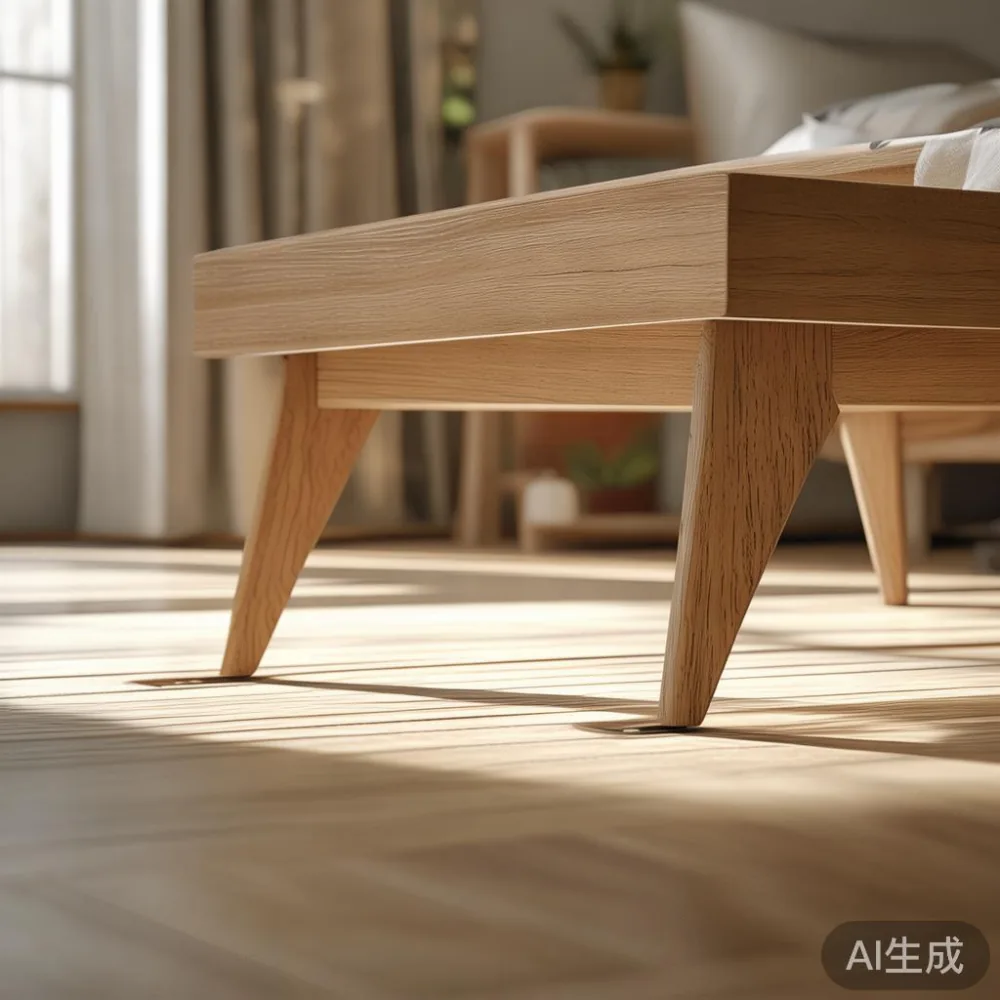
This article is for anyone who has typed "how to clean lacquer furniture in Singapore" at 11 p.m. with a slightly sticky coaster in hand. It is written from a workshop perspective, with the assembly difficulty of a piece of solid wood furniture in mind, because the easier a piece is to assemble, the more often owners are tempted to move it around, and every move exposes a lacquered surface to new conditions. Let us work through the moisture math, the cleaning chemistry, the realistic local constraints of a HDB corridor (typically 1.2 m wide) and a service lift (roughly 1.6 m deep by 1.2 m wide), and how to keep that French light luxury look alive in a four-room flat in Bedok or a condo in Punggol.
Why Does Singapore Humidity Wreck a Lacquered Surface Faster Than Dry Climates Do?
Lacquer is a sealed film. The wood beneath it still breathes, and the seal slows moisture transfer but never stops it. In a tropical climate, the wood is constantly trying to equilibrate with the air. When humidity climbs past 80%, the wood fibres swell. When the air conditioner kicks in and drops the room to 22–24°C with 55–60% RH, the wood contracts. That daily 25–30% swing in moisture content is what produces the cloudy white patches, the micro-cracks along the joinery, and the slightly tacky feel you sometimes get on a budget finish. A quality post-modern light luxury dining table is built with movement in mind — proper frame construction, breadboard ends, floating panels — but the lacquer on top is the sacrificial layer.

Three things make Singapore worse than, say, a Melbourne apartment: (1) the absolute humidity stays high for 9–10 months of the year, so the wood never gets a sustained drying period; (2) afternoon sun through west-facing windows in a Punggol EC can heat a tabletop to 42–45°C, then a rain shower drops the temperature 8°C in twenty minutes; (3) many HDB owners wipe with a damp cloth because the kitchen is 2 metres from the dining area and steam drifts. Over twelve months, that pattern leaves marks on a lacquered bed frame far more visibly than on an oiled one.
What Is the Correct Way to Clean a Lacquered Surface Without Stripping the Finish?
Use a microfibre cloth, dry or barely damp with distilled water, and wipe with the grain. That is the sentence. If you forget everything else in this article, remember that. Avoid silicone polishes, avoid furniture sprays that contain solvents, and avoid the all-purpose kitchen cleaner that lives under the sink. Lacquer is dissolved by alcohol, acetone, and many citrus-based degreasers. The first time I cleaned a client's solid wood sofa's wooden armrests with a "green" kitchen spray, the satin sheen turned into patchy matte in under ninety seconds. I have learned.
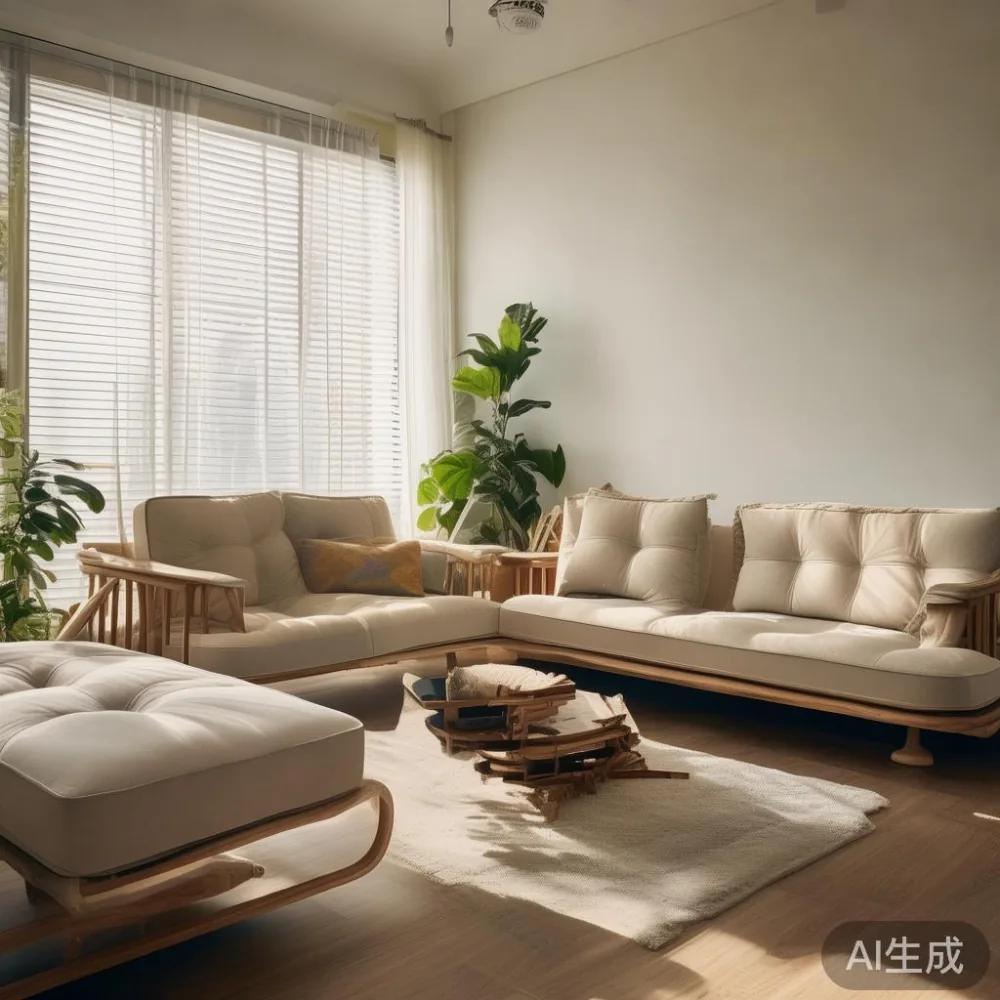
For sticky fingerprints — and there will be sticky fingerprints if you have a five-year-old — mix one teaspoon of neutral pH dish soap (the clear kind, around SGD 6–8 a bottle at FairPrice) into 500 ml of distilled water (SGD 1.20 for 5 litres at a Pasar Malam, or roughly SGD 4 for 1.5 litres at a cold storage). Dampen, do not soak, a microfibre cloth. Wipe. Immediately follow with a dry cloth. Done in under a minute, no rinsing required. Once every two to three months, if you want a soft sheen back, use a paste wax designed for lacquer (around SGD 22–28 for 200 g from a specialty wood-care shop, or you can ask the MIDHILL team about their recommended care kit when you receive the piece).
How Should You Position a Lacquered Solid Wood Dining Table in a HDB Flat?
Distance from the wall matters more than people think. Leave at least 8–10 cm between the back of a sideboard and the wall. Why? Because air needs to circulate. In a typical 4-room HDB living room, the air-conditioner cools down to 23°C and the wall behind the furniture can sit at 27–28°C with 75% RH. That temperature differential is where condensation forms, and condensation on the back of a closed-panel wardrobe or nightstand is the number one cause of finish blush. Pulling the piece 10 cm forward lets the airflow from the ceiling fan (most HDBs have one in the living area) sweep the back panel dry.
Avoid direct sunlight. Singapore's UV index regularly hits 11–13 between 11 a.m. and 3 p.m. A lacquered dining table sitting under a window with no curtain will amber and crack within 18–24 months. Use a sheer curtain, a UV film (around SGD 18–25 per square metre installed), or simply move the table 1.2 m away from the window. The same rule applies to a best French wardrobe for 2026 — French provincial designs often feature tall mirrored doors, and a south-facing bedroom in a Punggol flat will bake them. Keep the wardrobe out of the direct sun line, or accept that the lacquer will patina.
Is There a Difference Between Caring for a Lacquered Wardrobe and a Lacquered Italian Light Luxury Dressing Table?
The care routine is identical. The risk profile is not. An Italian light luxury dressing table in a master bedroom usually sits on a vanity stool, has a marble or marble-look top, and is exposed to perfume, hair product, and humidity from a connected bathroom. A French provincial accent chair pushed up to it transfers body oils to the lacquer where the back rest meets the seat rail. A wardrobe, by contrast, lives a quieter life: closed doors, infrequent cleaning, but a much larger surface area for dust to settle and moisture to creep in along the bottom edge where mop water splashes.
For the dressing table, keep coasters under every perfume bottle, wipe spills within five minutes, and never place a hot hair tool (180–210°C) directly on the lacquer — use a ceramic trivet, the kind sold for SGD 12–18 at a Taobao shop or a homeware store in Jem. For the wardrobe, focus on the bottom 20 cm. Vacuum the baseboard vents with a brush attachment every fortnight, and check that the衣柜 is not sitting directly on a perpetually damp floor. If your HDB has the older style of homogeneous floor tiles that sweat, place a 5 mm felt pad under each leg so air can move under the carcass.
What About the Marble Table Top — Does It Need Different Care Than the Lacquered Wood?
Yes, very different. Marble is calcium carbonate. It reacts to acids. A splash of calamansi lime juice (pH 2.0–2.5) left on an unsealed marble top will etch the polish in under thirty seconds. Lacquer reacts to solvents. The two finishes cannot share a cleaning product. If your 2026 Mid-century modern furniture coffee table has a marble inset — a popular look right now in light luxury design — keep two cloths on the console: a damp one for the stone, a dry one for the lacquered edge. Seal the marble once a year with a penetrating stone sealer (around SGD 38–55 for 500 ml from a tile shop in Tai Seng). Do not seal the lacquer with the same product.
One more point: marble is heavy. A 90 cm round marble table top weighs 38–45 kg depending on thickness. When you are considering the assembly difficulty of a piece, remember that the legs often ship separately and the top must be lifted by two adults. A 38 kg slab is awkward in a HDB corridor with a 90-degree turn. Plan the route, remove your shoes, and use the service lift (typically rated 630–1000 kg). The lacquered base can handle the move, but only if the piece was built with a proper frame and corner blocks — which is why a well-joined solid wood sofa or table is worth the extra SGD.
How Do You Choose a European Sofa That Will Withstand Tropical Humidity?
If you are researching how to choose European sofa options for a Singapore home, the rule is simple: avoid MDF and particleboard in the frame, demand kiln-dried solid wood, and check the joinery. A sofa that arrives flat-packed with 47 cam-lock dowels has high assembly difficulty and a short life in 80% humidity — the MDF panels absorb moisture at the edges, the cam locks loosen, and the frame racks within two years. A sofa that ships with mortise-and-tenon joinery, a 10-year structural warranty, and pre-fitted feet is a different category of product. Ask the maker. If the answer is vague, walk away.
For upholstery in the tropics, look for performance fabrics with a rub count above 30,000 double rubs (Martindale test), and a moisture barrier inner liner. Light luxury design from French and Italian makers typically uses linen-cotton blends or top-grain leather. Both work in Singapore if you keep the sofa 30 cm away from the air-conditioner direct flow and run a dehumidifier in the living room during the November–January monsoon window. A 12 L/day dehumidifier (around SGD 220–320) will hold the room at 55% RH and protect both the lacquered side table and the leather.
How Often Should You Refinish or Service a Lacquered Piece in Singapore?
A lacquered surface in a temperate climate might go 8–12 years before needing a professional buff and re-coat. In Singapore, plan for 4–6 years. The schedule depends on three things: sun exposure, cleaning habits, and household size. A couple in a Punggol condo with blackout curtains and no kids, running a dehumidifier four hours a day, will get closer to six years. A family of four in a Bedok HDB with west-facing windows and daily wet wiping will see finish breakdown in three. The fix is not a new table. The fix is a 2–3 day on-site refinishing visit (typically SGD 280–480 for a dining table, depending on size), and most workshops will come to your home, mask the area, lightly sand, and re-lacquer in satin or gloss. It is far cheaper than replacement.
If you are buying a piece that promises lifetime refinishing, read the terms. A solid wood bed frame or a best Rustic bed for 2026 that includes refinishing in the purchase price is a different value proposition from one that charges SGD 180 per visit. Furniture, like a car, needs maintenance budgeting. Set aside 1–2% of the purchase price per year for care products and occasional service. Over ten years, that is a tenth of the cost of replacement, and the piece ages into the home instead of out of it.
Practical Care Calendar for a Lacquered Solid Wood Piece in Singapore
Daily: a 30-second dry dust with a microfibre cloth on tabletops and sideboards. Weekly: a barely damp wipe on high-touch areas like the dining table, the nightstand surface, and the coffee table. Monthly: check felt pads under vases and lamps; replace any that have compressed flat. Quarterly: inspect the back of wardrobes and the underside of dining tables for any signs of mould or finish blush; ventilate the room for 30 minutes on a dry afternoon. Annually: book a professional inspection if the piece is more than three years old, and re-wax if the water-bead test fails (a drop of water should sit on the surface for 8–10 seconds before flattening; if it flattens in under 3 seconds, the wax is gone).
One last note on the practicalities of Singapore living. The width of a standard HDB service lift is roughly 1.2 m and the depth 1.6 m. A king-size bed frame with a headboard taller than 1.5 m often has to be tilted and walked up the fire stairs, which is hard on lacquered corners. When MIDHILL pieces ship, the headboard usually detaches with four bolts, and the assembly difficulty drops from a 90-minute two-person job to a 30-minute one. That design choice is not a luxury, it is a survival trait in a tropical climate where you will move flats every 7–10 years on average, and the elevator will not always be the one you want.
Look after the finish, and the finish will look after the room. The right cloth, the right distance from the wall, a dehumidifier in the monsoon months, and a realistic service plan — that is the entire recipe. The rest is patience.