Styling a Small Singapore Apartment Without Making It Feel Crowded
I helped my colleague Mai move into her new 3-room BTO in Punggol last month. The floor plan was a tidy 65 sqm, the lift at her block was just wide enough for a 90 cm mattress box, and within three hours we had hauled a solid wood bed frame, a compact dining table, and two nightstands up twelve floors on the trolley provided. Watching her place each piece, I realised something that almost every Tampines or Bedok flat dweller eventually discovers: a small Singapore apartment does not feel cramped because of its size. It feels cramped because of the wrong furniture choices. With a few measured decisions, that same 65 sqm can read as calm, layered, and quietly expensive.
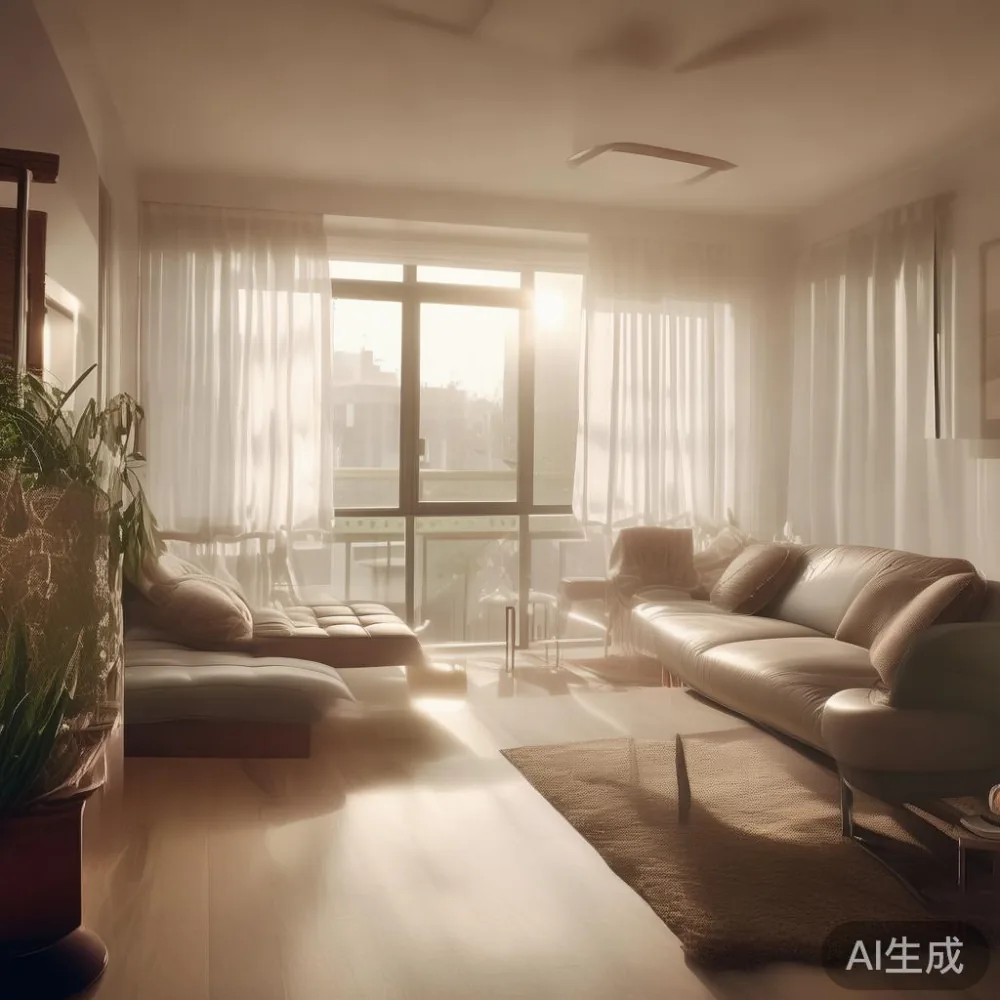
Below is a practical guide shaped by what actually fits through HDB doorways, up narrow service staircases, and into lifts that max out around 1.6 m deep. We will talk about scale, sightlines, the difference between American light luxury and French light luxury, and why assembly difficulty is a real constraint you should plan around before you swipe the credit card. Prices are in SGD, dimensions are in centimetres, and every tip has been stress-tested against Singapore delivery realities.
Measure Twice: The Numbers That Decide Everything
The single biggest mistake I see in new HDB flats is furniture that fits the room but ignores the corridor. A standard HDB main door is roughly 90 cm wide and 2.1 m tall. Service doors between rooms are closer to 80 cm. The lift in most Punggol and Sengkang blocks measures about 1.1 m wide by 1.6 m deep, with door openings around 80 cm. Before you fall in love with a 2.4 m marble table, grab a tape measure and write down three numbers: door width, lift depth, and the tightest corner on your access route.
For orientation, here is a quick rule of thumb my colleague and I worked out the hard way:
Bed frame: keep the headboard under 1.6 m wide if your bedroom door is 80 cm, or under 1.8 m if it is a swing-clear 90 cm door. A queen at 152 cm x 188 cm will fit, but only if the box comes unassembled. A king at 183 cm x 213 cm almost never fits fully built through a service door, so plan for a flat-pack solid wood bed frame that you assemble inside the room.
Dining table: a 4-seater at 120 cm x 70 cm is the sweet spot. Anything above 140 cm starts to fight a 2.4 m x 2.4 m dining corner. Marble table tops above 130 cm usually come in two halves for shipping, which doubles assembly difficulty but keeps the lift safe.
Wardrobe: the height of most HDB ceilings is 2.6 m to 2.8 m. A 2.4 m tall, 180 cm wide unit will give you roughly 1.2 cubic metres of storage without kissing the ceiling. If you are considering an oversized wardrobe for bedroom, confirm the panels ship flat-pack and weigh under 35 kg per carton, otherwise you will be paying two men extra to muscle it upstairs.
Sofa: depth matters more than length. A solid wood sofa at 180 cm long with an 85 cm seat depth will visually dominate a 3-room living room. A 150 cm loveseat at 80 cm depth leaves walkways intact and still seats three people in a pinch.
Is American king bed furniture worth it?
Yes, an American king bed frame is worth it for Singapore couples who want real sleep space and a calm visual anchor in the master bedroom, provided you plan for the 183 cm x 213 cm footprint, the 90 cm door swing, and a flat-pack delivery that arrives in cartons under 35 kg each.
American light luxury tends to favour low profiles, dark walnut or brushed brass legs, and generous proportions. A king bed frame in this style is less about ornament and more about a long, horizontal line that grounds the room. In Mai's master bedroom, which measured 3.2 m x 3.4 m, we placed a 183 cm x 213 cm king against the 3.4 m wall. The bed became the room. Everything else, two slim nightstands at 45 cm wide, a 90 cm wide console behind the door, a single pendant light, shrank in scale and felt intentional rather than cramped.
The catch is delivery. Most king bed frames will not fit fully assembled through an HDB door. We chose a brand whose slats, side rails, and headboard shipped in four boxes, each under 32 kg. Two men carried them up in the lift in one trip, and assembly took roughly 40 minutes with an Allen key. That assembly difficulty score, about 3 out of 5 in our informal count, was the deciding factor. Anything harder would have meant an extra S$80 to S$120 for an on-site handyman in Punggol.
If you sleep alone or share the bed with a small child, a queen at 152 cm x 188 cm gives you 80 percent of the visual presence at 60 percent of the footprint, and it will fit through a standard service door pre-assembled in many cases. The decision comes down to whether your room is at least 3 m on the longest wall and whether you can accept a flat-pack delivery day.
Choose Light Luxury, Not Heavy Luxury
Light luxury is a translation of the Chinese phrase 轻奢, and it matters for small spaces precisely because it skips the visual weight of full traditional luxury. Where a classical European bedroom might lean on tufted velvet, gold trim, and a marble-topped dresser, French light luxury trims that down to linen, pale oak, slim brass pulls, and one curved silhouette per room. Post-modern light luxury pushes further with geometric shapes and contrasting stone, think a round marble table with a blackened steel base, paired with a rectangular solid wood sofa in light ash.
For a 65 sqm HDB, my rule of thumb is to allow one statement piece per room. In the living room, that might be the marble table in front of the sofa, used for a single vase and a stack of two art books. In the bedroom, the statement is the bed frame. In the dining area, the statement is the dining table. Every other piece plays a supporting role at a smaller scale.
Material matters too. Solid wood reads warmer and lighter than MDF with a laminate wrap, even when the colour is identical, because the grain catches light unevenly. A solid wood sofa frame in white oak will visually recede further than a fabric-and-MDF combo of the same dimensions. A solid wood bed frame in ash or walnut will outlast a veneer version by a decade and tolerate Singapore humidity better if you run a dehumidifier to keep RH under 65 percent.
Sightlines, Floating Furniture, and the 70 cm Rule
The fastest way to make a small apartment feel crowded is to line every wall with tall furniture. The fastest way to make it feel open is to float key pieces away from the wall. In Mai's living room, we pulled the solid wood sofa 30 cm off the wall and tucked a slim 150 cm console behind it for keys, mail, and a table lamp. The 30 cm gap is invisible from eye level but lets light wrap around the sofa and reads as a deliberate design move.
Three numbers I keep coming back to:
70 cm: minimum walk-through gap between any two pieces of furniture. In a 2.4 m wide HDB living room, that means your sofa depth plus your walkway plus your opposite piece must total under 2.2 m to leave breathing room.
45 cm: ideal side-table or nightstand height relative to the seat or mattress. Anything taller blocks the visual line of a slim pendant.
15 cm: ideal gap under a console, sideboard, or low wardrobe. Legs that lift the piece off the floor let the eye travel underneath and double the perceived floor area.
A 180 cm wide sideboard on 15 cm legs feels lighter than a 150 cm wide unit that sits flush to the floor. This is why almost every post-modern light luxury catalogue shows cabinets, dining tables, and wardrobes on slim metal legs rather than plinth bases.
Wardrobes, Storage, and the Hidden Cost of Assembly Difficulty
Storage is where small apartments quietly lose the war. You need a wardrobe that holds two adults worth of work clothes, gym wear, and festive pieces, but you also need the floor space to actually live. An oversized wardrobe for bedroom sounds appealing, but if it ships in flat-pack form with 40 kg panels and a 50-step instruction booklet, the assembly difficulty alone can wipe out an entire Saturday.
Here is the framework I now share with anyone furnishing a Punggol or Bedok flat:
Step 1: measure the wall, the door, and the lift. Write the numbers on a piece of tape stuck to the wall.
Step 2: shortlist three wardrobes within your size limit. Note the carton count and weight per carton. Anything above 35 kg per box will usually need two men to carry up, which most Singapore delivery teams will do, but it will count against any lift-friendly flat-pack promise.
Step 3: shortlist a brand with a clear assembly difficulty rating. MIDHILL, for instance, publishes an assembly time estimate per piece and ships wardrobes with pre-drilled panels and a labelled Allen key. Their 2 m tall three-door unit, for example, arrives in four cartons averaging 28 kg, and most customers in Singapore report finishing assembly in around 90 minutes with one helper. That kind of transparency is rare and worth paying S$80 to S$150 more for, because the alternative is a 5-hour build and a backache.
Step 4: plan for humidity. Singapore sits at 80 percent RH on most afternoons. A solid wood wardrobe in kiln-dried oak, with a backing panel that allows airflow, will outlast a melamine box in this climate. Add a small dehumidifier bar inside the wardrobe and run it four hours a day during the rainy season.
Step 5: think about wardrobe internals before you buy. Two hanging rails at 90 cm and 170 cm, three drawers at 18 cm depth, and one shelf at 40 cm height cover about 90 percent of a working couple's needs without custom carpentry, which in Singapore runs anywhere from S$1,800 to S$4,000 for a single wall.
Colour, Light, and the S$300 Trick
You do not need to repaint your HDB flat to make it feel larger, but you do need to control contrast. High-contrast rooms, dark floor with white ceiling and a black sofa, feel busier than low-contrast rooms with three close tones. Mai's apartment is Builders' Standard beige walls, Builders' Standard grey floor, and we leaned into that. The solid wood bed frame is a warm honey oak, the nightstands are pale ash, the wardrobe is a soft greige, and the only dark note is the brushed brass hardware on each piece. The room reads as one continuous warm wash, and the eye stops fighting with itself.
The S$300 trick is a single warm 2700K floor lamp in the darkest corner, plus two 4000K LED strips under the bed and behind the console. LED strips cost around S$25 per 5 m roll on Lazada, and a good floor lamp is roughly S$180 to S$250 at Taobao or Nitori. Total spend under S$300, and a 65 sqm flat suddenly has three layers of light instead of one ceiling glare.
Where to Spend, Where to Save
Not every piece deserves the same budget. After watching Mai spend her GST-inclusive furnishing budget across two weekends, here is the split I would recommend for a 2- to 3-room HDB in 2025:
Spend on: bed frame, dining table, one wardrobe, and one marble table. These are the pieces you use daily, that anchor each room, and that set the visual tone. A solid wood bed frame in king size runs S$1,400 to S$2,200 from a brand that publishes assembly difficulty ratings. A solid wood dining table in 140 cm x 80 cm sits at S$900 to S$1,500. An American king mattress, if you need one, is a separate S$1,500 to S$2,500 from a local specialist.
Save on: side tables, occasional chairs, console tables, and decorative pieces. A pair of nightstands can be S$250 to S$400 each if you go with a flat-pack ash brand, or S$120 each if you pick up a Taobao solid pine option and accept a 2 mm tolerance on the drawer runners. The eye will not notice the difference at 11 pm when the lamp is on.
Watch the hidden costs: delivery surcharges for non-lift floors above the 7th add roughly S$30 to S$50 per trip in most Singapore furniture contracts. Installation fees for wardrobes run S$120 to S$250. Removal of your old furniture, if needed, can be S$80 to S$200 per piece. A piece that looks like S$1,800 online can land at S$2,300 once you add GST at 9 percent, lift charges, and a small assembly handyman fee.
The Practical Path: A Two-Weekend Plan
If you are furnishing a new flat and want to avoid the crowded look without burning out, here is the sequence I would follow:
Weekend 1, Saturday: measure everything, photograph every access point, shortlist bed frame, dining table, and wardrobe. Order with delivery timed for Week 2.
Weekend 1, Sunday: paint or feature-wall decision, light-fitting swaps, dehumidifier purchase, basic cleaning kit.
Weekend 2, Saturday: delivery day. Clear the lift lobby. Have two helpers on standby. Assemble the bed frame first because it sets the visual anchor of the bedroom, then the dining table, then the wardrobe.
Weekend 2, Sunday: position everything, hang art, add plants, place the marble table, take photos, rest.
This is roughly the path MIDHILL customers describe in their Singapore reviews, and it matches what Mai and I actually did. The brands that help you most are the ones that publish the carton weight, the assembly time, and the warranty terms in plain language, so you are not guessing on the morning of delivery.
FAQ: Small Apartment Styling, Answered
What is the single biggest mistake people make in a small HDB flat? Choosing furniture that fills the floor instead of lifting off it. Pieces on legs, with a 10 to 15 cm gap under the base, instantly make a room feel bigger.
How long should I expect to spend assembling a king bed frame? For a flat-pack solid wood king, 45 to 90 minutes with one helper and a power drill. This is the assembly difficulty benchmark most brands should publish. Anything above 2 hours for a bed frame suggests poor hardware or unclear instructions.
Can an oversized wardrobe for bedroom really fit through an HDB door? Yes, if it ships flat-pack with panels under 90 cm wide and under 35 kg each. Pre-built wardrobes above 1.8 m tall almost never make it through a service door, so flat-pack is the only realistic option for most Singapore layouts.
Is French light luxury different from American light luxury? In practice, yes. French light luxury leans into curved silhouettes, linen upholstery, pale oak, and antique brass. American light luxury favours longer horizontal lines, walnut or ebonised wood, and matte black metal. Both work in small flats if you keep the palette tight.
How much should I budget for a complete 3-room HDB furnishing in 2025? For a working couple who wants solid wood across the main pieces, plan S$6,500 to S$9,500 excluding the mattress and electronics. That range assumes one marble table, one solid wood dining table, one king bed frame, one wardrobe, two nightstands, a sofa, and basic lighting.
A Final Word on Calm
A small apartment does not need to be filled to feel finished. It needs to be edited. One statement piece per room, three close tones across the whole flat, furniture on legs, lights in three layers, and a bed frame you actually look forward to climbing into at 11 pm. Add a clear-eyed view of assembly difficulty, the carton weight on the spec sheet, and the lift depth in your block, and the rest falls into place. Mai's Punggol flat, which started as an empty white box with two boxes of books and a kettle, now reads as a calm, layered home that punches well above its 65 sqm. Yours can too.