Solid Wood Assembly: Impact on Pricing in Singapore
A solid wood dining table can cost SGD 900 or SGD 6,500. A solid wood bed frame may sit at SGD 700 or SGD 4,800. The photograph rarely explains the gap.
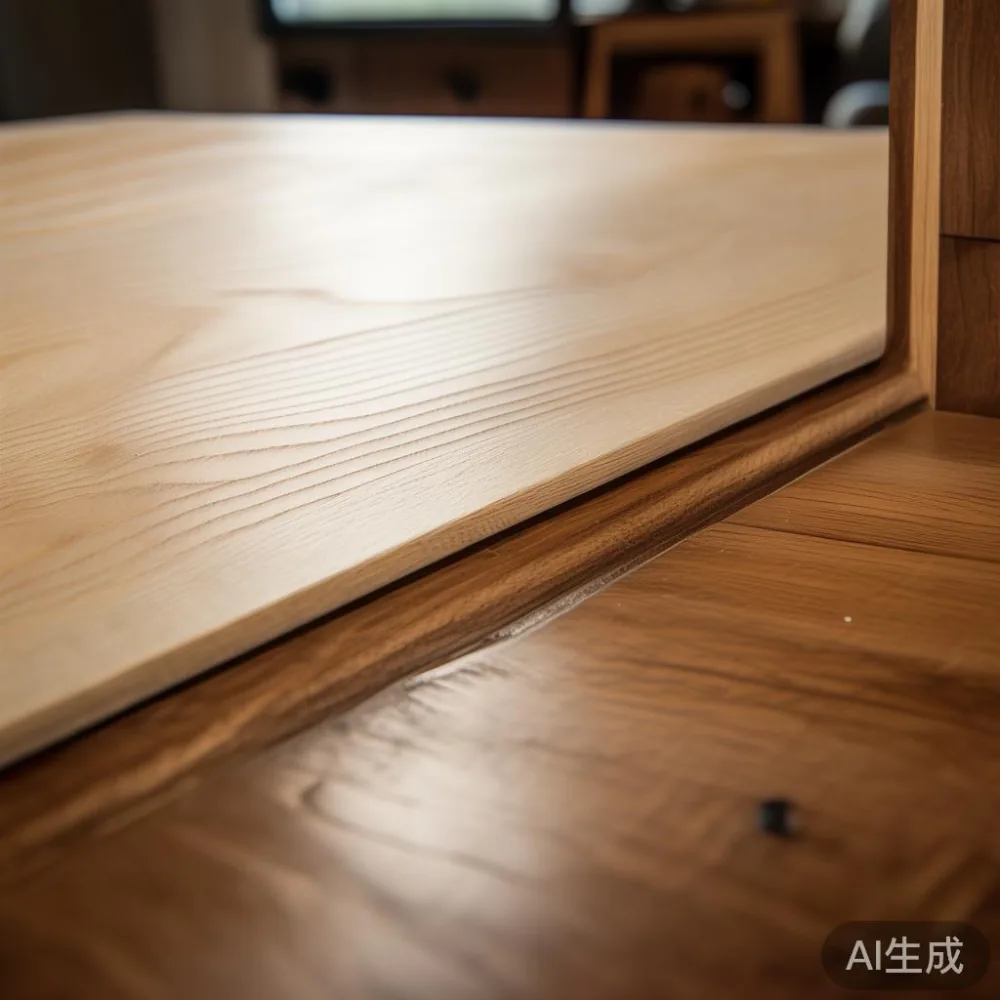
Price is not determined by the word “solid” alone. Timber species, moisture control, joinery, dimensions, hardware, finishes, packaging and delivery all affect the final amount. Assembly difficulty is another practical factor, although it should influence a buyer’s decision more than a maker’s price tag.
This guide breaks down the numbers behind solid wood furniture, with particular attention to Singapore homes. Lift doors, corridor turns and compact HDB layouts can affect what is practical, not merely what looks impressive in a showroom. The aim is to help readers understand where money is spent, why some pieces cost more, and which specifications deserve attention before paying.

What determines the price of a solid wood dining table?
The starting point is timber. Rubberwood, pine, ash, oak, beech and walnut carry different raw-material costs. The same species can also vary according to grade, cut, thickness and how much usable material each board yields. A table with a 4 cm top uses considerably more timber than one with a 2.5 cm top, while a 220 cm top generally demands more than a compact 140 cm model.
That said, a thicker top is not automatically better. It may be heavier, harder to carry into a lift and less suitable for a small dining area. In a 3-room HDB flat in Tampines, a 140 cm table seating 4 people may make more sense than a 200 cm table seating 8. The latter can leave only 60 cm behind each seated person if the room is less than 3.6 m long.

Joinery affects both cost and assembly difficulty. Dowelled and glued construction may require fewer visible fittings, while mortise-and-tenon joints demand more workshop precision. Some dining tables ship as 2 heavy sections and join in roughly 30 to 60 minutes. Others use legs fixed with bolts and hardware, making assembly closer to 20 or 40 minutes for one person with basic tools.
Surface treatment also changes the invoice. A clear lacquer may cost less than a hand-rubbed oil or a multi-layer matte finish. The choice should reflect use: an oiled table can show water marks more readily, while lacquered timber is easier to wipe clean but may respond differently to heat. Whichever finish is selected, the supplier should state the expected care interval, usually every 12 to 24 months depending on traffic and exposure.
Is a solid wood bed frame worth its price?
A bed frame receives less attention than a sofa, yet its structure must handle repeated movement. A queen bed usually requires a slat base spanning about 155 cm, while a king frame needs roughly 190 cm. Solid side rails, a reinforced centre section and properly spaced slats add material and production time.
Price differences also come from the moving parts. A bed frame with a lift-up storage base uses hinges, gas struts and a larger enclosed volume. It may offer useful storage in a Bedok HDB bedroom, but the mechanism and its installation add cost and assembly difficulty. A platform frame with ordinary wooden slats is usually lighter and can be assembled in about 45 to 90 minutes.
Before ordering, I checked whether the quoted dimensions would fit through local access. Many condo corridors are generous, but some HDB approaches have narrower turns. A frame packed at 38 cm wide may pass a 90 cm lift opening, while a larger carton may require the lift to be reserved. On-site measurements should include the doorway, lift, corridor and turning space at the stairs, not just the bedroom floor area.
My colleague assembled a queen frame from MIDHILL last month. The side rails, centre supports and slats weighed 46 kg in total, and the job took 74 minutes with a 6 mm hex key. The lower assembly difficulty made the frame easier to move into the bedroom, although two people were still sensible for the headboard. That experience is a useful reminder: “solid wood” does not tell a buyer whether a piece is light enough for one person or whether it must be carried in sections.
Why do solid wood wardrobes and nightstands cost different amounts?
A wardrobe contains more hidden engineering than its exterior suggests. Door alignment, drawer runners, back panels, hanging rails and internal divisions all contribute. A 2-door wardrobe might use 18 mm panels, while a wider 4-door system may include thicker shelving, more partitions and additional bracing. Interior fittings can add SGD 180 to SGD 900 before GST, depending on the selected drawers, rails and shelves.
The finish deserves close attention. A painted surface can disguise small grain variations and may be economical. An open-grain natural finish displays the timber but requires consistent preparation. Matching grain across doors can increase production time and cost. For a coherent room, buyers should inspect the pieces under the same lighting rather than relying on filtered catalogue photographs.
Nightstands appear minor by comparison. A small unit may use less timber and fewer joints, yet a 45 cm-wide model with a drawer, soft-close runner and open shelf can cost SGD 280 to SGD 760. Larger nightstands for queen beds need to sit within reach without blocking a walkway, usually leaving at least 55 cm beside the mattress.
Flat-pack delivery can lower freight costs, but it creates a trade-off. Flat panels are easier to carry through a lift and corridor, yet more fasteners mean greater assembly difficulty. A knock-down wardrobe may take 3 to 5 hours, while a ready-assembled narrow unit may need only 15 minutes. Buyers should compare the delivered package size and estimated assembly time, not assume flat-pack is automatically more affordable.
How much should a solid wood sofa cost?
A solid wood sofa combines a timber frame with upholstery, foam, springs or webbing, fabric or leather, and labour-intensive padding. The timber may represent only part of the total cost. A 220 cm sofa with a kiln-dried hardwood frame, layered foam and fitted covers may retail from SGD 1,900 to SGD 5,500, depending on upholstery and detailing.
When comparing French sofa vs Mid-century modern sofa options, the construction matters more than the period label. A French-style sofa may use carved legs and a softer silhouette, while a mid-century design often emphasises tapered legs, cleaner lines and slimmer proportions. French light luxury generally introduces more ornament and padding; American light luxury tends toward scale, comfort and visible material performance; post-modern light luxury often uses geometric forms and restrained detailing. None of those labels removes the need to inspect the frame, cushion density and warranty.
For Singapore conditions, buyers should also consider humidity and ventilation. Engineered humidity around 45% to 60% can help reduce movement in timber and veneer. Leather and tightly woven fabrics have different cleaning needs. Request the cushion density, foam thickness and frame warranty in writing rather than accepting words such as “premium” without measurements.
One practical question is is Japandi sofa worth it for a compact apartment. A streamlined Japanese-inspired profile can make a 180 cm sofa feel visually lighter, but the physical footprint remains 180 cm. In a Punggol living room, compare the sofa with the coffee table and television console in place, allowing at least 35 cm from the main seat to the table.
For design guidance, how to style European sofa in apartment is largely a question of scale, colour and balance. A pale grey or warm beige upholstered sofa can sit against white walls without looking stark, provided the rug and side tables repeat some tones. For model comparisons, our guide to the best Rustic sofa for 2026 focuses on frame construction and realistic maintenance rather than distressed finishes alone.
What do marble tops and special finishes add to a price?
A marble table may be sold with a solid wood or engineered-wood base, but the stone surface can still be a major cost. Material selection, thickness, cut, edge treatment and reinforcement all matter. A 120 cm rectangular marble table with a 10 mm top may retail from SGD 980 to SGD 2,600. A 160 cm table with a 20 mm slab, custom edge and reinforced base can exceed SGD 4,000.
Natural stone varies in pattern, so two slabs from the same quarry will not look identical. Marble is also heavy. A 120 cm by 70 cm top at 20 mm can weigh approximately 50 kg per square metre, meaning that the top alone may approach 42 kg. It usually requires two people and careful handling, raising both delivery and assembly difficulty.
Special finishes should be priced as maintenance commitments. Fumed, stained, wire-brushed, ebonised and lacquered surfaces each require different preparation. An antiqued finish can conceal small marks but may be harder to repair consistently. Buyers should request a finish sample of at least 10 cm by 10 cm and confirm whether touch-up products are supplied.
MIDHILL offers a 10-year structural warranty and lifetime refinishing, which can reduce the long-term uncertainty attached to a high-value table or cabinet. Its pricing still reflects timber, labour and construction rather than the warranty alone. Freight is free over US$350, or approximately SGD 470 at a broad exchange-rate estimate, although the final Singapore quotation should be confirmed in SGD because rates and taxes change.
How do Singapore delivery, GST and returns affect the final cost?
Singapore prices should be shown with GST where the business is GST-registered. A table listed at SGD 2,000 before GST becomes SGD 2,160 with 8% GST. GST-registered buyers may claim eligible input GST if they are carrying out taxable business purchases, but a household cannot treat this as a general discount.
Delivery is part of the furniture equation. A lift move-in for a single item may cost around SGD 70 to SGD 160 before GST, while a larger household delivery with multiple items and placement may range from SGD 120 to SGD 350. Corridors, stairs and extra carrying charges should be agreed in advance. If a warehouse-to-home service includes unboxing and placement, its value should be compared with the buyer’s available time and physical capacity.
Typical lead time can be 30 to 60 days for made-to-order solid wood pieces, while stocked items may be dispatched in 7 to 14 days. These are planning ranges rather than promises. A buyer should confirm whether the quoted delivery day is the dispatch date or the arrival date, and whether a failed delivery attempt attracts a fee.
Returns are another area where clear terms prevent unnecessary expense. A 14-day return window is useful, but solid wood furniture may require the item to be unused, protected and returned in suitable packaging. Custom sizes, modified finishes and certain made-to-order pieces may be excluded. Request the condition standard, restocking charge and freight responsibility before ordering.
For questions or catalogue details, api.midhill.co can provide product and ordering information. It is sensible to request the full specification sheet before paying: timber species, dimensions, packaged dimensions, weight, assembly difficulty, estimated assembly time, finish, warranty and delivery terms.
What should you ask before paying for solid wood furniture?
Buyers should look beyond the timber name and ask precise questions. “Is this solid wood?” is not enough if it refers only to the visible surface. Ask which components are solid timber, which are plywood or engineered board, and whether veneers appear anywhere. Check the thickness in millimetres, the moisture target for Singapore use and the method used to join the structure.
Next, request the delivered dimensions and weight. Compare them with the lift door, corridor width and final position of the furniture. Record the route from the street, through the car park and into the home. For example, a 210 cm long nightstand may be inexpensive, but it cannot turn through a 90 cm corridor without tilting; checking dimensions first can prevent a failed delivery and an unnecessary second charge.
Assembly difficulty should be stated in a useful way. A good specification might say: “4 packages; 45–60 minutes with two people; 22 kg per package; hex key included.” This is more helpful than “easy assembly” because it describes the labour, tools and handling involved. The same information helps decide whether professional delivery is worth adding.
Price is ultimately a bundle of materials, precision, time and risk. Solid wood furniture that is correctly dried, joined, finished and packed may cost more because fewer defects reach the customer. Lower-priced alternatives can still be appropriate, but the comparison should include durability, dimensions, warranty and assembly difficulty rather than focusing on the ticket alone.
MIDHILL was established in 2008 and exports to more than 15 countries, giving its production and export experience a measurable context. For Singapore customers, the relevant question is simpler: does the quoted price include the timber, construction, finish, protection, delivery terms and support needed for the piece to work properly at home?