How to Match Solid Wood Furniture to a Warm Minimal Interior
A warm minimal interior in Singapore is not an empty room. It is a carefully balanced space where pale walls, soft daylight, natural timber, and restrained decoration make daily life feel calmer. The challenge often lies in fitting large furniture into compact HDB flats and condos, choosing pieces that remain practical after delivery, and understanding assembly difficulty before a box reaches your corridor.
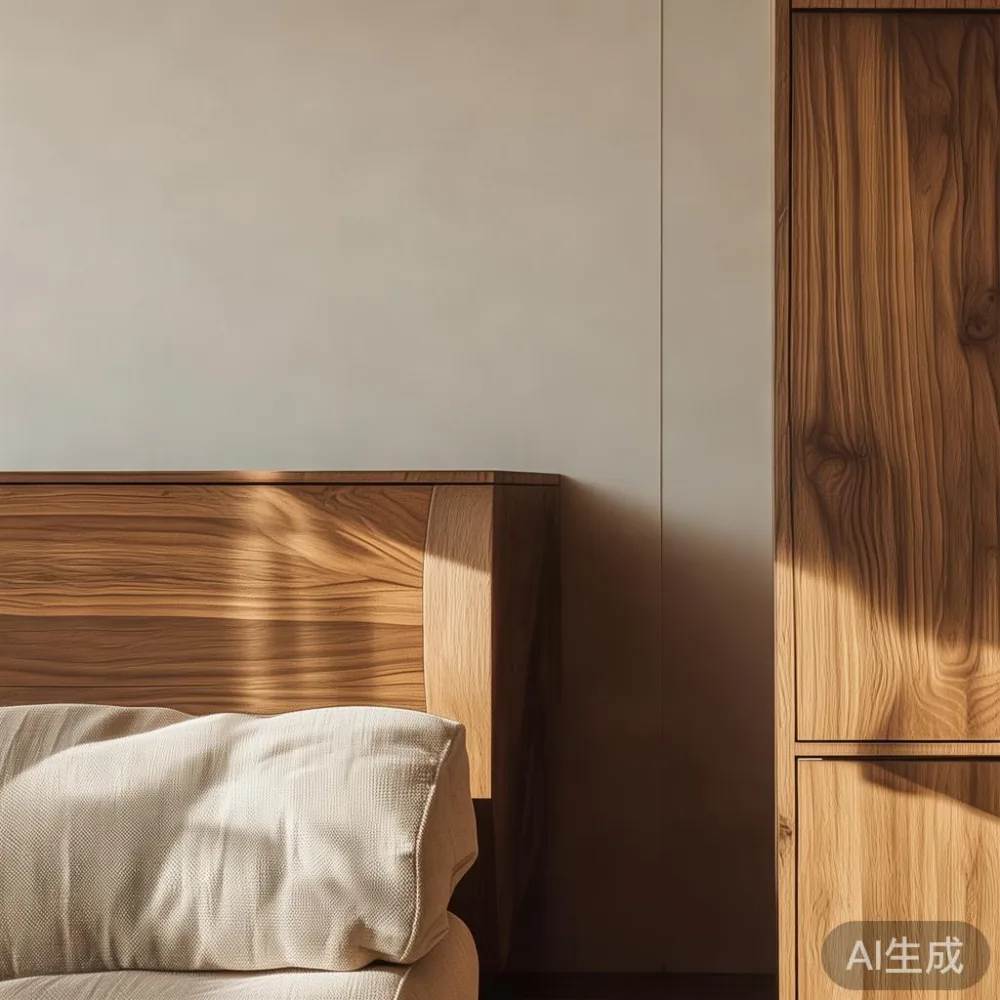
I spent 3 afternoons in Tampines and Bedok last month looking at completed HDB interiors and comparing them with show-unit styling. One recurring lesson was clear: warm minimalism works when scale is disciplined. A 180 cm dining table may look modest in a show unit but can compress a 320 cm dining zone. A 42 kg wardrobe may look sculptural online yet become difficult to manoeuvre past a 90 cm lift door or around a tight landing.
Singapore’s humid climate also changes how timber pieces are perceived. Glossy finishes can look stark under bright light, while visible grain, gentle contrast, and matte surfaces create warmth. At MIDHILL, the focus is solid wood construction supported by a 10-year structural warranty, lifetime refinishing, and practical customer support. The aim here, however, is not to promote one palette or arrangement. It is to show how to assess proportion, assembly difficulty, material weight, and long-term usefulness together.
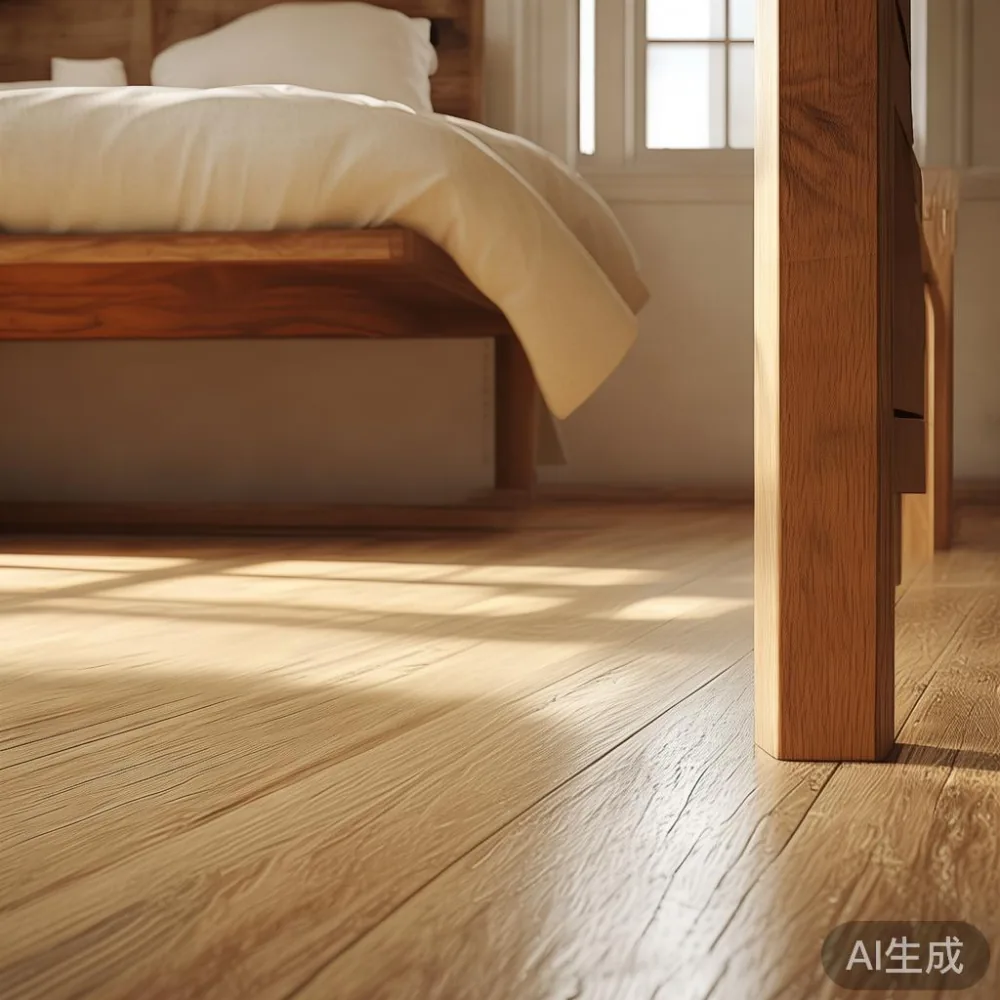
What makes a warm minimal interior work in Singapore?
Warm minimalism uses fewer objects, but those objects need greater visual discipline. Think cream walls, oatmeal upholstery, pale oak, honey-toned ash, brushed brass, and black details used sparingly. The space should still feel lived in: one textured rug, a ceramic vessel, two books, and a plant can prevent a minimalist room from becoming visually cold.
For HDB flats in Tampines, Punggol, and Bedok, ceiling height is usually less important than circulation. Leave 75–90 cm beside a dining chair for movement, 85–100 cm along a frequently used sofa route, and 60 cm in front of a wardrobe door when possible. Bedrooms improve when there is 60 cm on at least one side of a bed and no more than 65 cm on the other. These are planning guides rather than fixed rules, but they prevent minimalist furniture from making a compact room feel crowded.
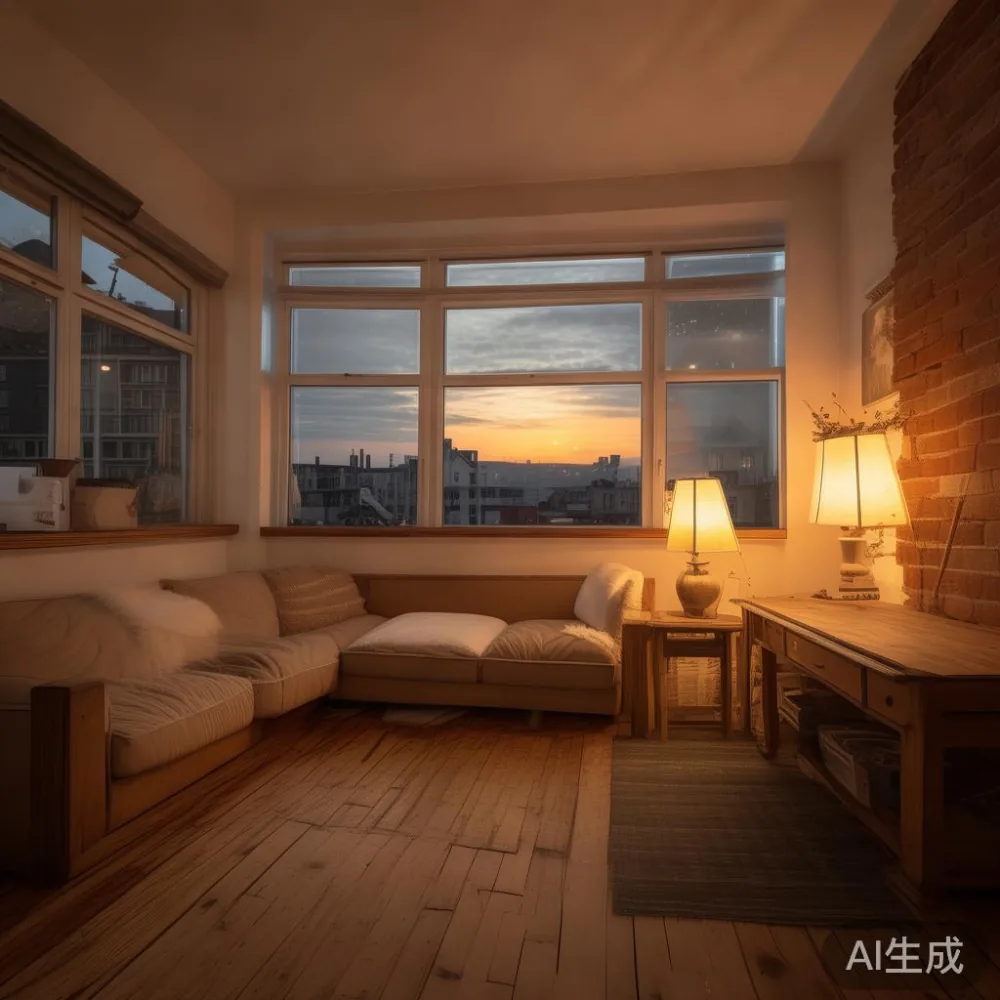
Light also matters. Keep the main floor area clear, and place furniture so it does not block a window or a ceiling light unnecessarily. Warm white lighting around 2700–3000K complements natural wood better than cool white light at 4000K or above. Curtains should stop just above the floor rather than pooling around furniture. A small side table beside a window can create a visual anchor without adding clutter.
How do I choose solid wood pieces that suit warm minimalism?
Choose wood tone before choosing furniture style. Pale oak, light ash, and restrained walnut tones generally blend with warm white walls. A very yellow or very dark timber can look deliberate, but it requires deliberate lighting and fewer surrounding objects. Rather than matching every item to the same brown, repeat one wood family in 2 or 3 key pieces and introduce neutral fabric elsewhere.
A solid wood sofa should have a straightforward frame, a low-profile silhouette, and removable seat covers where possible. A 200–220 cm three-seat model suits many Singapore living rooms, while a 160–180 cm two-seat version is easier to position in a condo lounge. Test the seat depth: around 55–60 cm supports relaxed sitting, and 70 cm or more can feel overly deep in a compact room. Check whether the timber legs are angled or straight; angled legs create visual lightness, while straight legs support a more architectural, post-modern light luxury mood.
The bed frame deserves similar scrutiny. A 150 cm queen frame fits more HDB bedrooms than a 180 cm king frame, but the surrounding clearance matters more than the headline size. A solid wood bed frame with a floating headboard can make a 270 cm-wide room appear wider because the floor remains visible beneath it. Low-profile bases at 25–35 cm also preserve storage opportunities, while a solid plinth can read visually heavier.
Dining tables should relate to the walls, not merely the number of diners. A 140 × 80 cm table seats 4 people and leaves useful space in a 300 cm-wide dining area. An oval table measuring 160 × 90 cm can create a gentler passage around 6 diners. If a rectangular marble table appeals, remember that marble is visually cool and reflective; warm minimalism often works better with a rounded edge, a timber base, or warmer lighting nearby.
For storage, a wardrobe with flush timber fronts will maintain the quiet visual field. A nightstand measuring 35–45 cm wide should align with the bed rather than float randomly. If open shelving is used, limit it to 2 shelves above a desk or 3 shelves in the living room, and keep approximately 70% of the display area empty.
How do you measure a Singapore lift and corridor before ordering furniture?
Measure the route, not only the room. Record the lift car width, lift door width, corridor turns, ceiling height at each turn, and the width of the HDB or condo entrance door. For example, a lift interior measuring 180 × 120 cm with a 90 cm door may accept a 160 cm-long sofa, but only if it can be tilted and turns are shallow. A 200 cm sofa may need to enter diagonally or be assembled inside the flat.
Always ask the supplier for the packaged dimensions of every major item. For a solid wood sofa, dining table, bed frame, wardrobe, nightstand, or marble table, check both the package length and total weight. A package with several sides is not automatically difficult, but weight becomes decisive when a courier must manoeuvre it through a narrow corridor. A 42 kg wardrobe section and a 75 kg dining table may be manageable on the ground floor yet completely impractical above a 12th-floor lift in Punggol.
Measure the lift’s rated capacity as well as its internal size. A 1,000 kg lift is of little help if the furniture trolley and handlers cannot enter safely. Protect corners with moving blankets, remove doors only if the manufacturer permits it, and check whether the delivery route includes stairs. Some showrooms provide delivery in 7–14 days, while made-to-order pieces can require 30–60 days. Confirm whether the quoted delivery includes carrying the item to the door, unpacking, and assembly, or only curbside handover.
In Singapore, GST is normally included in displayed consumer prices, but it is worth asking for a written quotation showing the payable SGD amount and any surcharge for difficult access. For purchases over US$350, MIDHILL offers free shipping, though a local Singapore delivery charge or access fee may still apply. International shipping terms should not be assumed to include indoor placement.
How difficult should you expect furniture assembly to be?
Assembly difficulty should be judged from the number of people, tools, fixings, and the risk of damaging timber or stone. A flat-packed nightstand may take 20–30 minutes with a screwdriver and 6 mm hex key. A solid wood bed frame may take 45–75 minutes with 2 people and basic tools. A wardrobe can require 2–4 hours, while a marble table may need 30–60 minutes and 2–3 people because its top must be supported safely throughout installation.
Check whether hardware arrives in labelled bags, whether the instruction manual includes clear diagrams, and whether all hex keys are included. Photographic guides are particularly useful when a family member is assembling the item at 9 p.m. after work. Power tools should not be mandatory for fine furniture assembly, since overtightening screws can damage joinery.
The assembly difficulty of a “solid wood” label is not the same as the assembly difficulty of the product. A solid wood dining table with a well-designed knock-down base can be easier to install than a hollow-frame sofa with many components. Look for pre-installed drawer runners, recessed cabinet hinges, adjustable shelf supports, and legs that can be fixed from below. These details reduce alignment work and make future maintenance more practical.
For delivery-day preparation, clear a 200 × 100 cm floor area in the bedroom or living room. Keep children and pets out of the work zone, lay a cardboard sheet over the floor, and keep screws in a small tray. A 2 m spirit level, a 3 m measuring tape, a soft mallet, and a set of felt pads are useful for checking stability. If a piece is assembled outside the room, confirm that its largest assembled section can pass through the door and turns before beginning.
Which furniture pieces create a warm minimalist focal point?
Choose one material or shape to lead each room. In the dining area, that could be a 160 cm oval solid wood dining table with softly rounded corners. In the living area, a low solid wood sofa with oatmeal cushions can provide comfort without a heavy frame. In the bedroom, a simple bed frame with a linen headboard creates a softer transition to the walls.
A marble table can act as a refined contrast in an entrance or living room, especially when paired with a solid wood console. Its pale grey veining supports French light luxury styling, while a black metal base introduces post-modern light luxury. Because marble is porous in many finishes, wipe spills promptly and use coasters rather than wet rings. Natural stone also deserves careful weight planning; a 90 × 55 cm top may weigh 35–55 kg depending on thickness and density.
Wardrobes provide the largest opportunity for visual calm. Full-height sliding doors suit narrower rooms because they do not need swing clearance. Hinged doors should open to at least 90 degrees and should not collide with a bed, window, or corridor. Warm minimal wardrobes often look cleaner with handleless rails, integrated lighting, and internal drawers in muted greige. A Japanese wardrobe approach can bring the same restraint through sliding panels, a lower storage zone, and uncluttered internal divisions. If you are researching how to style Japanese wardrobe in room layouts, focus first on panel operation, then on visual rhythm.
For projects or hospitality spaces, the term Modern light luxury for hotel is useful because it calls for durability and repeatable visual character. Here, French light luxury suggests pale upholstery and curved edges, American light luxury suggests deeper comfort and generous proportions, and post-modern light luxury suggests crisp geometry, contrast, and fewer decorative flourishes. A successful interior usually borrows one of these ideas rather than combining all 3 at once.
What should I check before placing a furniture order?
Request a material and dimension sheet before paying. For solid wood, identify the timber species and whether panels, veneers, or solid timber are used in each visible area. For a bed frame, list the outer dimensions and mattress recess. For a dining table, confirm whether the stated 140, 160, or 180 cm length is the top length, and check the tabletop thickness against the base. For a wardrobe, provide the exact recess dimensions rather than relying on a product-page drawing.
Ask how the furniture will be protected in Singapore’s humidity and daily use. A finished surface should be cleanable, while solid timber may move slightly as humidity changes. Understand whether refinishing under the lifetime refinishing service applies to wear, scratches, or colour changes, and whether there is a charge for collection or return. A 10-year structural warranty gives useful coverage, but the written terms should define timber movement, accidental damage, and commercial use.
Design references can broaden the search without dictating the result. A search for under 2000 Coastal furniture may surface pale timber, woven textures, and relaxed forms; a search for top 10 Vintage furniture may reveal useful ideas about solid wood construction and patina. A search for best Japandi wardrobe for 2026 can point toward clean storage systems, although dated “best” lists should be treated as inspiration rather than proof. Likewise, modern Italian light luxury furniture often highlights proportion and finish, but every piece still needs to fit the actual Singapore room and delivery route.
Ask MIDHILL for the packaged size, assembly time, tools, number of handlers, and recommended access measurements for the exact item. Then compare that information with your lift, corridor, and door dimensions. This process turns assembly difficulty from an afterthought into part of the design decision.
How can I keep a warm minimal home uncluttered after delivery?
Give each piece a defined job and a home for what it contains. A nightstand should hold only the items used at bedtime. A dining table benefits from a drawer or nearby narrow console for chargers and coasters. A sofa looks calmer when its cushions are plump and its proportions are not hidden by too many loose textiles. Use closed storage for less attractive objects and open display for the few items with genuine visual value.
Aim for 3 material families across a room: timber, fabric, and one hard accent such as stone, ceramic, or metal. Restrict accent colours to 2, and repeat one of them elsewhere in the home so the eye feels connected. Warmth can come from texture rather than clutter: a wool rug, linen curtains, woven baskets, and a ceramic lamp provide variety while preserving the minimal composition.
Finally, consider the future rather than only the photograph. Choose a solid wood sofa whose covers can be cleaned, a bed frame whose headboard does not trap dust, and a dining table whose extension mechanism can be understood by one adult. A wardrobe with adjustable shelves adapts more easily than one built around a fixed internal layout. Good minimalism is not the absence of function; it is the removal of visual noise around useful things.
For a Singapore home, successful warm minimal furniture begins with measurements, continues with assembly planning, and ends with restraint. Solid wood pieces bring grain and longevity, while careful scale and access planning ensure the design works beyond the showroom. That balance is what turns a room from merely pale and tidy into genuinely warm, practical, and lived in.