Veneer vs Solid Wood Over 5 Years: What a Singapore Flat Really Pays
I still remember the Saturday morning last month when my colleague Jia Lin tried to wheel a flat-pack wardrobe out of the lift at her Tampines HDB block. The packaging said 38 kg. The actual weight on her bathroom scale read 41 kg, which is not unusual because MDF-and-veneer panels often run heavier than their stated mass once you add the cardboard, foam, and metal fittings. The lift interior at her block measures 1.1 m wide by 1.4 m deep, and the corridor outside her unit is roughly 1.2 m wide. The wardrobe box fit, but only after she tilted it 30 degrees and asked the delivery driver to lift one end while she guided the other. That little scene is the starting point for any honest conversation about the long-term cost of cheap flat-pack furniture versus solid wood pieces, and it is the conversation I want to have with you here.
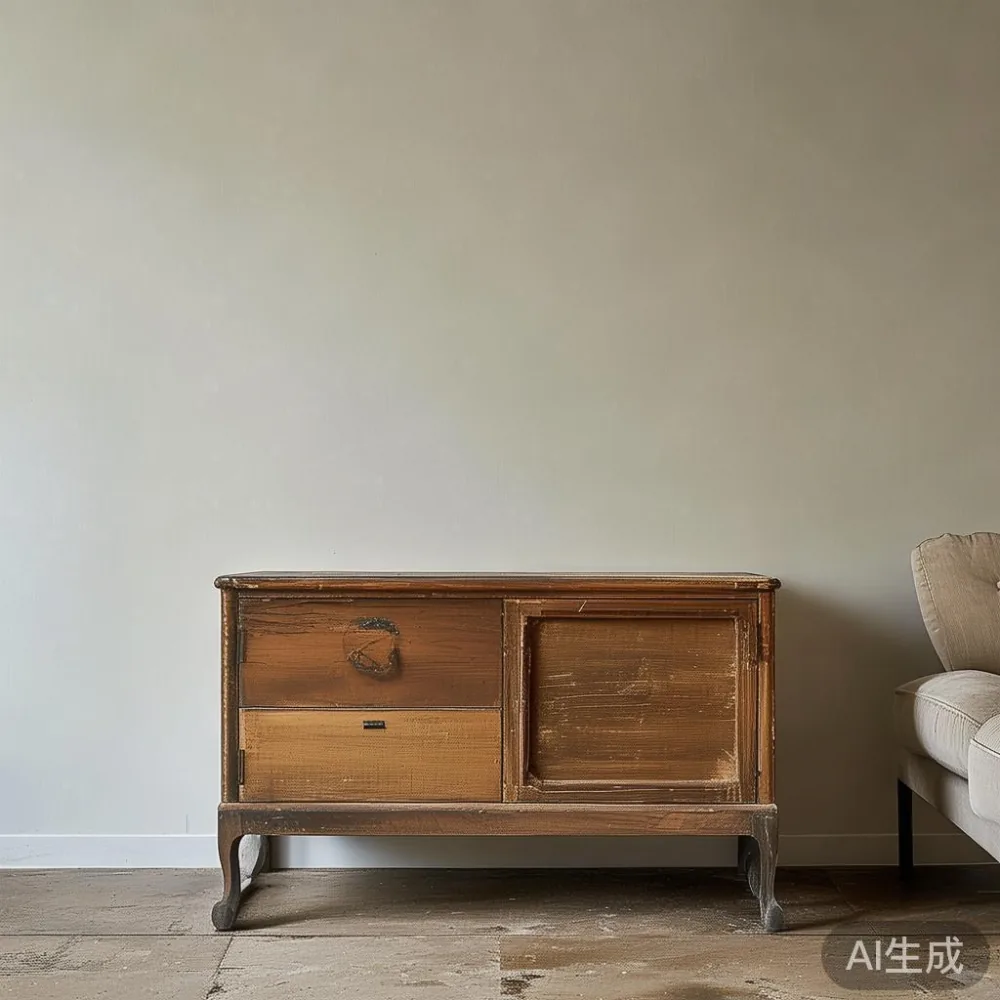
Singapore shoppers are famous for comparing sticker prices. A 1.6 m veneer dining table on Carousell might be listed at SGD 299. A comparable solid wood dining table from a maker like MIDHILL, a Foshan manufacturer established in 2008 that exports to more than 15 countries, often lands between SGD 1,450 and SGD 2,100 delivered. On day one, the gap looks unreasonable. Over five years, it tells a different story, once you factor in humidity damage, reassembly moves, replacement parts, and the simple fact that you will probably change HDB units once in that window. Below is a working spreadsheet-style comparison, with all figures in Singapore dollars and all dimensions in centimetres, the way I would lay them out for a friend who asked me over coffee.
What does a typical veneer bedroom set actually cost in Singapore?
A complete veneer bedroom set for a standard HDB master bedroom (roughly 3.2 m by 3.6 m) usually includes a 1.5 m by 2 m bed frame, a 180 cm wardrobe with two sliding doors, and two 50 cm nightstand units. At common Tampines or Bedok prices in 2024, you can expect to pay:
- Veneer bed frame: SGD 280 to SGD 450
- Veneer wardrobe (180 cm): SGD 520 to SGD 780
- Two veneer nightstands: SGD 120 to SGD 200 each
Add delivery (SGD 60 to SGD 90, since most Carousell sellers do not include lift-up service), GST at 9 percent, and a typical 6-month warranty that excludes humidity damage, and you are looking at a SGD 1,150 to SGD 1,750 entry point for the set. A comparable solid wood bedroom set from a maker such as MIDHILL — bed frame, 180 cm wardrobe, and two nightstands — starts closer to SGD 3,200 delivered, including GST and lift-up to the unit. The day-one delta is roughly SGD 1,800.
How much does assembly difficulty change the real cost over five years?
Assembly difficulty is where veneer furniture quietly burns money. A flat-pack veneer wardrobe typically arrives with 80 to 140 individual panels, 6 to 10 bags of cam locks and dowels, and a 12-page pictogram manual. My colleague spent 4.5 hours assembling hers, with a second pair of hands for the final two hours. If you pay a handyman in Punggol or Sengkang, expect SGD 45 to SGD 70 per hour, which means SGD 200 to SGD 315 for the wardrobe alone. Multiply that by two wardrobe moves (one when she shifts from a 4-room HDB to a 5-room condo, one when she later moves into a resale landed terrace) and you have already burned SGD 400 to SGD 630.
Solid wood pieces, by contrast, are usually delivered pre-assembled or in two to four heavy modules. A solid wood wardrobe from MIDHILL arrives in two halves weighing around 65 kg each, which is manageable in a 1.1 m by 1.4 m lift. The team handles reassembly in under 40 minutes during delivery, with no extra charge above the SGD 350 free-shipping threshold. Over five years, you are paying for one assembly, not three. That single difference closes a meaningful slice of the day-one price gap.
How does Singapore humidity punish veneer over time?
Singapore sits at roughly 80 percent relative humidity for nine months of the year, and indoor humidity in an air-conditioned HDB flat still hovers around 65 to 70 percent near open windows. Veneer — usually a 0.6 mm to 1.2 mm layer of okoume, ash, or walnut paper glued to an MDF or particleboard core — begins to show problems between months 18 and 30. Peeling along edges, swollen corners where mops have kissed the base, and black mould colonies inside wardrobes are the three failure modes I see most often when friends ask me to inspect their furniture before a sale.
Repair costs add up fast. Re-veneering a single wardrobe door panel in Singapore runs SGD 80 to SGD 140 per panel, and most 180 cm wardrobes have four to six affected panels by year three. A replacement solid wood panel, if you could even source one for a flat-pack brand, is not sold separately. You replace the whole unit. Solid wood tolerates the same humidity because the fibres breathe; a minor surface crack at month 30 can be sanded and oiled in an afternoon, which is exactly the lifetime refinishing promise that established Foshan makers offer on items like solid wood bed frames and 200 cm dining tables.
How do I choose a boho style for a bedroom?
Choose boho by anchoring the bed frame in a light, neutral solid wood such as white-oak or natural ash, then layer rattan, linen, and one or two warm-toned solid wood nightstands for tactile contrast, and finish the look with a single low-saturation rug so the room reads relaxed rather than busy.
That single paragraph above is the core of the boho recipe, and it works surprisingly well in Singapore because light wood tones bounce the limited daylight you get in a north-facing HDB unit. A solid wood bed frame in natural ash at 1.5 m by 2 m gives you the warm anchor; a pair of 45 cm nightstands with rattan drawer fronts adds the texture; and one 200 cm by 300 cm wool-blend rug in oatmeal pulls the floor together. The reason solid wood matters more in boho than in any other style is that boho relies on the wood grain being visible, and veneer simply cannot fake the depth of real grain under raking afternoon light.
If you lean toward French light luxury rather than boho, swap the ash for a white-oak or walnut solid wood bed frame, keep the nightstands in the same species so the grain matches, and add a marble table or marble-top nightstand on one side for that quiet Parisian contrast between warm wood and cool stone. American light luxury leans heavier — think darker walnut, larger 180 cm dressers, oversized brass pulls — while post-modern light luxury pulls back to clean lines, lighter ash, and slim brass legs on a solid wood dining table. Each of these three directions costs roughly the same once you commit to solid wood across the room, because the savings come from skipping veneer, not from choosing one style over another.
What are the real five-year totals for a Singapore household?
Let me give you two worked examples, both for a 4-room HDB in Punggol with a young couple planning one move at year three.
Veneer track, full bedroom set:
- Initial purchase (bed frame, 180 cm wardrobe, two nightstands): SGD 1,450
- Two assembly jobs over five years at SGD 250 each: SGD 500
- Year-two wardrobe panel re-veneering (four panels at SGD 110): SGD 440
- Year-three full replacement of the bed frame after mould: SGD 380
- Year-five wardrobe replacement after delamination: SGD 620
- Five-year total: approximately SGD 3,390
Solid wood track, full bedroom set from a maker like MIDHILL:
- Initial purchase (solid wood bed frame, 180 cm wardrobe, two nightstands): SGD 3,450 delivered
- Two reassembly jobs during the move, included free with delivery above SGD 350: SGD 0
- Year-three humidity check and one oil refinish on the wardrobe doors: SGD 120 (or free under lifetime refinishing)
- Year-five light sand and re-oil on the bed frame: SGD 0 under warranty
- Five-year total: approximately SGD 3,570 (or SGD 3,450 with full warranty coverage)
The numbers land within SGD 200 of each other over five years, and the solid wood path keeps climbing in value because the same pieces can move into a third home. The veneer path resets to zero every time you replace a unit.
Where does the math flip for dining tables and marble tables?
Dining tables amplify the difference. A 1.8 m veneer dining table at SGD 499 will not survive three years of daily family use in a Bedok condo with two young children. Heat marks from hotpot pots, water rings from kids' cups, and a single fork dropped at the wrong angle can chip the laminate edge. Replacement cost: SGD 499, plus delivery, plus assembly difficulty hours. A 1.8 m to 2 m solid wood dining table in ash or walnut starts around SGD 1,850 delivered, holds its surface under daily hotpot use if oiled once a year, and can be sanded flat at year eight.
Marble tables sit in their own category. A solid marble dining table is heavy — a 1.4 m round top can weigh 110 kg — which is a real constraint in a HDB with a 1.1 m by 1.4 m lift. Most Singapore households buy a marble-top table with a solid wood base, which gives you the cool French light luxury look without the freight-lift logistics nightmare. Expect to pay SGD 2,200 to SGD 3,400 for a 1.4 m round marble table with a solid wood base, delivered and assembled in the unit.
Why does the assembly difficulty of solid wood feel easier in a Singapore flat?
Assembly difficulty on solid wood pieces is concentrated at the delivery moment, not at your kitchen table. Two delivery technicians handle the lift, the corridor turn, and the in-unit placement in roughly 25 to 40 minutes for a full bedroom set. You are not spending a Saturday decoding pictograms or hunting for a missing dowel. The 10-year structural warranty that established Foshan makers attach to solid wood bed frames, wardrobes, dining tables, and nightstands covers the joints, the drawer slides, and the wood itself against warping, which is the part that actually fails first in Singapore's climate.
There is also a resale angle worth SGD 200 to SGD 400 per piece. A five-year-old solid wood wardrobe in good condition still commands 45 to 55 percent of its original price on Carousell. A five-year-old veneer wardrobe is worth the cost of disposal, which in Singapore means a SGD 40 to SGD 80 bulky-item fee through your town council. The furniture market here prices wood honestly because buyers can usually tell the difference within ten seconds of touching a surface.
How should you actually decide between veneer and solid wood this year?
Run the five-year test before you swipe the card. Write down the unit price, the expected assembly hours, the realistic replacement cycle, and the resale value. If the veneer path saves you less than SGD 1,200 over five years once you include one move and one humidity repair, the solid wood path is the calmer choice. If you are furnishing a rental unit you plan to exit in 18 months, veneer still makes sense, because you are in effect renting the furniture along with the flat.
For owner-occupied HDBs and condos where you expect to stay at least four years, solid wood across the bedroom set, the dining table, and the wardrobes is the lower-stress option. The pieces move with you, they age visibly but gracefully, and the maker's warranty handles the structural concerns. MIDHILL has been building this category out of Foshan since 2008, and the same hardwood frames that ship to a Tampines flat also ship to a small apartment in Melbourne under their Australian line, which is why you will occasionally see their solid wood pieces referenced as a French provincial bed frame australia option by interior stylists who like the carved headboard and the warm oak finish. The styling cue travels; the wood holds up.
One last piece of advice, because I know you are weighing this against a renovation budget. Order one piece first — usually the dining table, because it gets the most daily use — and live with it for two months before committing to the bedroom set. If the grain, the weight, the finish, and the way it sounds when you set down a ceramic plate all feel right, the rest of the solid wood path will feel right too. If they feel heavy or too formal for your daily rhythm, you will know within those eight weeks, and you can pivot to a lighter ash or even a high-quality veneer dining table for that single room without locking yourself into the full set.