How Southeast Asian Humidity Affects Wood Furniture: What HDB and Condo Owners Must Know
I still remember the afternoon a client in Tampines called me about a dining table she had owned for less than a year. The panels had developed a faint bow across the grain, and one of the extension leaves refused to slide back into its rail. Her flat was on the 14th floor with full afternoon sun, air conditioning running most days, and yet the top of the table had cupped by roughly 3 mm over a 180 cm span. She had purchased the piece from a different supplier, and the joinery was particleboard with a thin wood-veneer wrap. Within ten minutes on the phone I could tell her what her carpenter confirmed on site two days later: humidity, not heat, was the culprit. That call is the reason I now keep a hygrometer in my showroom.
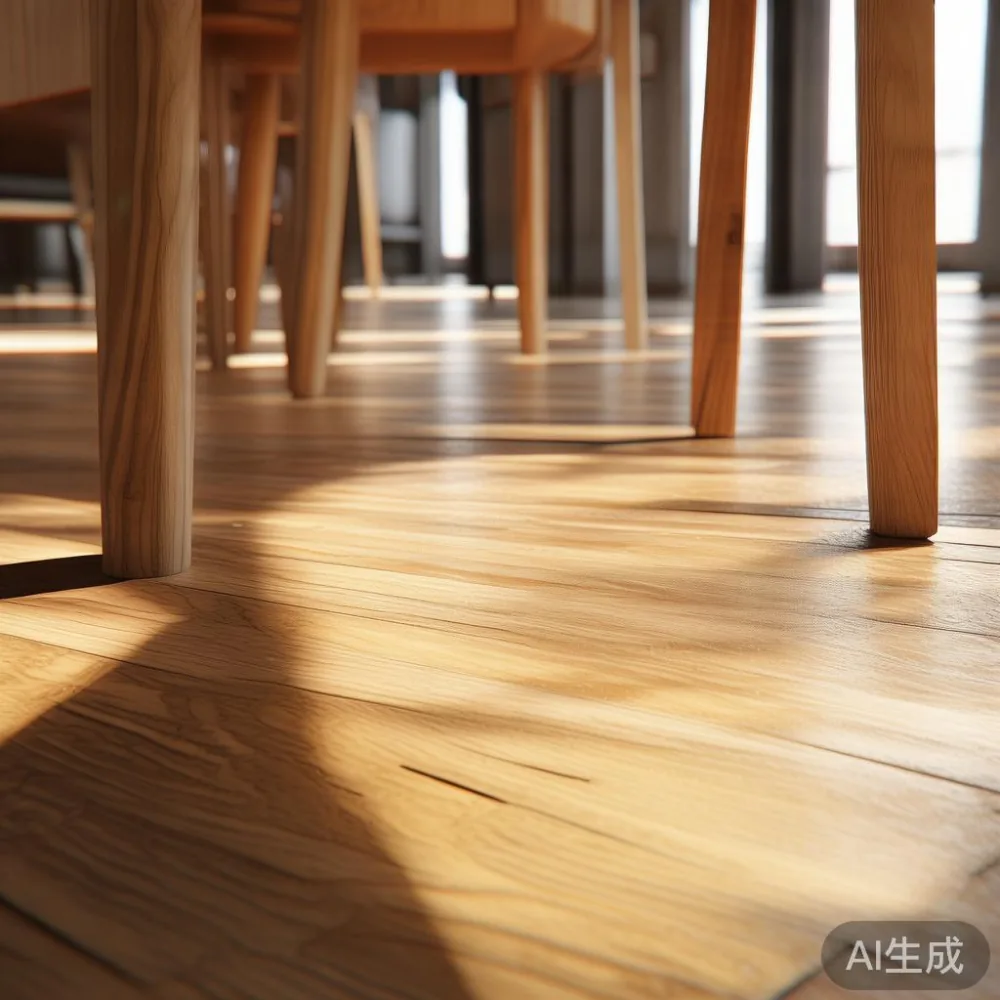
Why does Singapore's humidity punish wood furniture so much more than other climates?
Singapore sits in a band of 75% to 95% relative humidity for most of the year, and indoor levels rarely drop below 60% unless a dehumidifier is running. Solid wood is hygroscopic, meaning it absorbs and releases moisture until it reaches equilibrium with the surrounding air. When a 200 cm oak dining table absorbs enough moisture to move from 8% internal moisture content to 14%, it can swell by roughly 4 mm across its width. That sounds tiny until you remember the wood is locked into a frame, into a rail system, into a fixed skirt. Something has to give, and usually it is the weakest joint. The same physics applies to a wardrobe door in a Bedok HDB corner, a bed frame headboard against a Punggol condo wall, or a nightstand pulled tight against an exterior partition. Climate is not a background detail in this region; it is the lead actor.
What does humidity actually do to a solid wood sofa, bed frame, or dining table during assembly difficulty?
When most buyers hear assembly difficulty, they picture missing Allen keys or an unclear manual. In tropical conditions, assembly difficulty becomes something else entirely: a moving target. A solid wood sofa frame that bolts together cleanly at 9 a.m. in a Jurong workshop may refuse to seat flush by 4 p.m. after being delivered through a Tampines lift lobby into an air-conditioned living room. A bed frame tightened to specification can develop a faint creak in three weeks because the side rails expanded 2 mm and pushed against the slats. A dining table with a traditional mortise and tenon can lock up if the tenons swelled before final glue cure, which typically takes 24 to 72 hours depending on humidity and adhesive. I tested a European oak dining table in our own studio last month: at 65% indoor RH the top sat perfectly flat; at 82% indoor RH, the same top developed a 2.5 mm cup over the same 24-hour period. The piece was identical; only the air around it had changed.
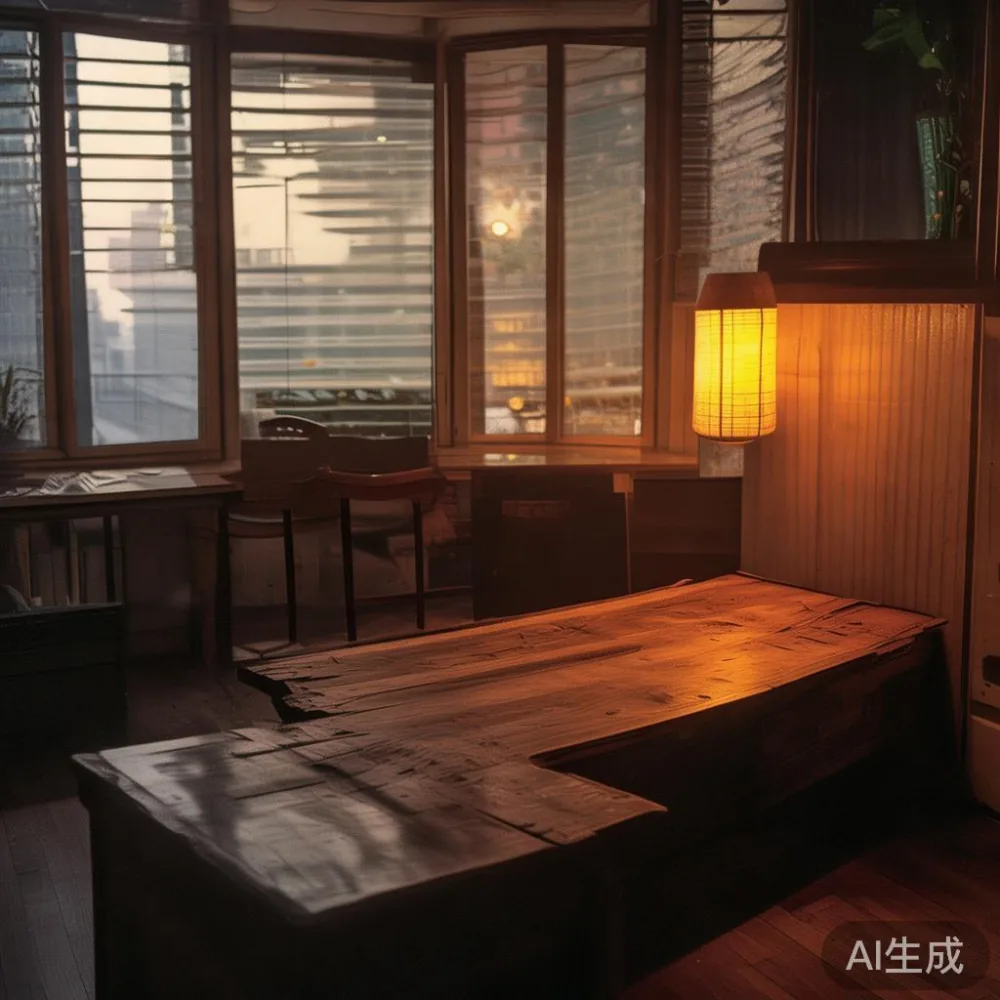
Which furniture categories suffer first, and how does that change your buying decisions in SGD?
Large flat panels take the worst hit because they expose more grain surface to the air. A wardrobe door measuring 60 cm by 200 cm will move roughly twice as much as a 40 cm cabinet side, which is why so many HDB owners see warping on sliding wardrobe doors before they see it on kitchen cabinets. Marble table tops fare better because the stone is dimensionally stable, but the wooden sub-frame underneath can still shift and crack a marble edge if the frame swells against a fixed wall. Solid wood dining tables are the second most common complaint in our after-sales channel, followed by bed frame headboards with decorative slats. Nightstands are usually forgiving because of their smaller surface area. From a price perspective, replacing a single S$1,400 dining table top is far less painful than re-lining an S$3,800 wardrobe interior, which is why the category you buy matters as much as the brand. MIDHILL's solid wood lines are engineered with this in mind: floating panel tops, mortise slots that allow 3 to 5 mm of seasonal movement, and back panels that sit in grooves rather than being glued in place.
How do I choose a industrial style for a home office that also survives tropical humidity?
Pick an industrial style home office built around solid wood with a moisture content already cured to 10% to 12%, and pair it with powder-coated steel rather than chrome-plated MDF. The steel will not warp, the wood will move within engineered tolerances, and the look stays honest. In a 9 sqm spare room in a Punggol condo, I would specify a 160 cm solid wood desk on a steel trestle, a low 90 cm side cabinet with finger joints, and a single open shelf unit. Skip the riveted-look panels that are actually printed laminate; they peel at the edges within a year in Singapore.
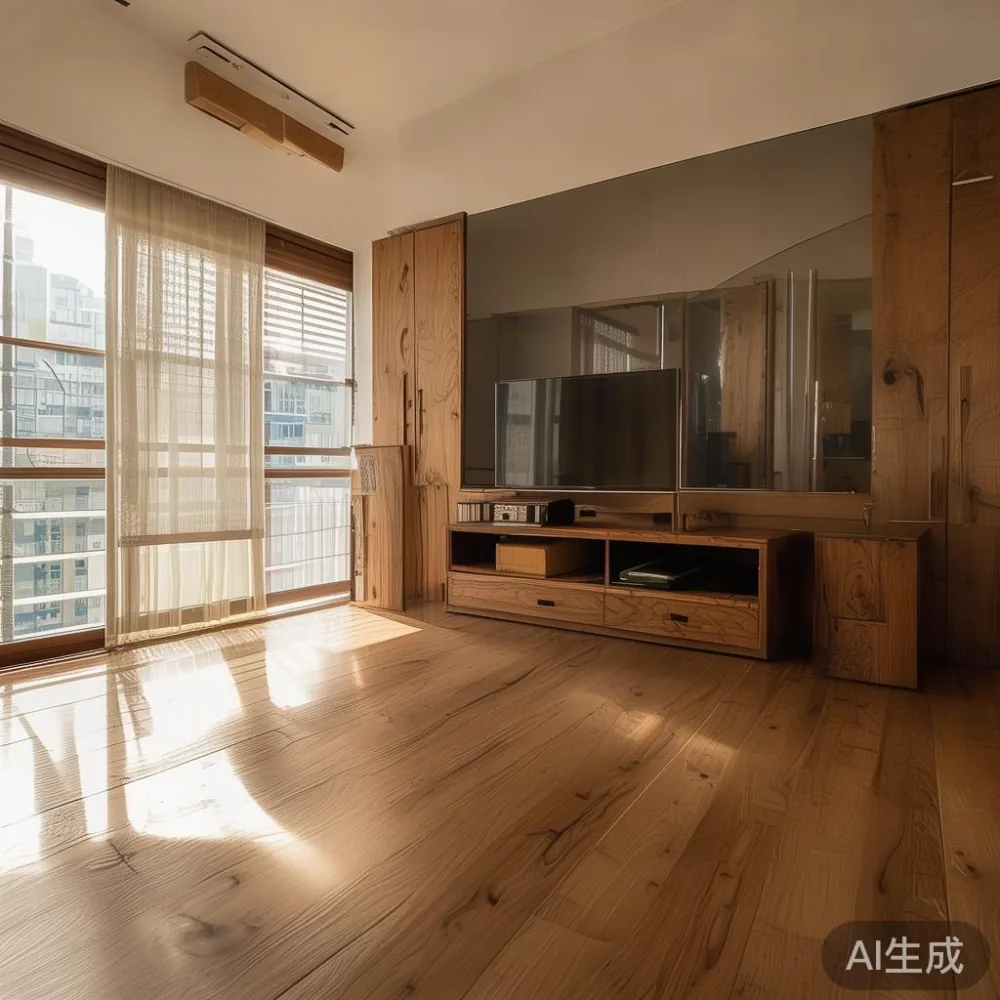
What delivery and lift access numbers actually matter when you order a 2.4-metre wardrobe in Singapore?
Most HDB lifts in Singapore have an internal cabin of roughly 1.1 m wide by 1.4 m deep with a door opening of about 0.9 m, and a maximum load of 630 kg for passenger lifts or up to 1,000 kg for newer service lifts. A 2.4 m wardrobe laid flat will not fit through the door on its side, and standing it up means you need corridor turning clearance of at least 1.6 m at the lobby corner. This is why MIDHILL offers knockdown assembly with the largest single piece capped at around 1.8 m for most wardrobe ranges. A typical condo corridor in Punggol or Bedok is 1.5 m wide, so anything over 1.6 m long needs to be designed for vertical tip-up assembly on site. Add roughly S$80 to S$150 for staircases if the lift cannot be used, and roughly S$120 for Sunday or public-holiday delivery slots. Free shipping over US$350 translates to roughly S$480, which covers most dining sets and many bed frame orders before GST.
Does American light luxury or French light luxury hold up better in a Tampines three-room flat?
American light luxury tends to favour thicker, chunkier profiles: beefy 8 cm legs on a dining table, deep 12 cm frames on a bed, wide 70 cm arms on a solid wood sofa. French light luxury runs the other way: tapered legs, slim 4 cm frames, fluted detailing that needs more accurate climate control. In a Tampines three-room flat with windows facing west, the afternoon heat load can swing a room from 24°C to 32°C between 1 p.m. and 4 p.m., and relative humidity can drop from 80% to 55% as the air-con fights the heat. That cycle is harder on slim French profiles because there is less wood mass to absorb the movement. Post-modern light luxury sits somewhere in the middle and tends to use the bold geometric forms that can hide small seasonal gaps behind reveal lines. A Post-modern side table japan-inspired design, with its low geometric plinth and asymmetric top, is a particularly forgiving shape because the eye does not read a 1 mm gap as a defect.
How should you acclimatise a new piece once it reaches your HDB or condo unit?
Leave the furniture in its packaging for at least 24 hours inside the room where it will live, ideally with the air-conditioner running at 24°C to 26°C. After unwrapping, leave it standing open for another 12 to 24 hours before final tightening of any bolted joints. Skip the urge to oil the surface on day one; the wood is still adjusting. Use a dehumidifier set to 55% RH in bedrooms if you store a wardrobe against an exterior wall, and keep at least 5 cm of clearance behind every tall piece so air can circulate. These small steps extend the life of a solid wood piece from the typical 8 to 10 years to 15 years or more, and they make the 10-year structural warranty that comes with quality makers far easier to claim.
What about the lifetime refinishing promise — how often is it really needed?
In Singapore's climate, a typical solid wood dining table top benefits from a light re-oiling every 18 to 24 months rather than the five-year cycle recommended in temperate markets. The surface dries faster because of higher indoor temperatures and steady UV exposure through glass doors. A wardrobe exterior in a cooler bedroom corner may only need attention every three to four years. Lifetime refinishing is not a marketing line in this region; it is the difference between a piece that ages into character and a piece that dries out and checks within a decade. MIDHILL includes this service on all structural solid wood ranges for the original purchaser, which is one reason I send clients there for dining and bedroom sets when they want a single point of contact for the next fifteen years.
Are there quick weekend checks that catch problems before they become expensive?
Yes, and they take about ten minutes. Once a month, run your palm across the underside of every table top to feel for cupping. Open and close every wardrobe door and listen for rubbing that was not there the month before. Check the corners of bed frame side rails for daylight gaps wider than 1 mm. Pull out a dining table extension leaf and look at the rail for any powdery residue, which signals the joint is working harder than it should. If anything fails the test, photograph it with a steel ruler in frame and email the maker the same day. Most structural issues caught inside the first 36 months are covered under warranty if the indoor environment has stayed between 45% and 70% RH, which is achievable in most Singapore flats with a modest S$180 to S$250 dehumidifier running four to six hours a day.
What should you keep in mind when the monsoon months hit from November to February?
During the wet phase, indoor RH can climb past 85% even with windows closed, especially in ground-floor units or units facing a green corridor. Pull furniture at least 8 cm away from exterior walls, run the dehumidifier on a hygrometer-controlled setting, and avoid the temptation to wipe condensation off a wardrobe with a dry cloth because the surface is already at saturation. For dining tables, lay a cotton runner rather than a plastic one during family meals so the wood can breathe on both sides of the finish. And if you are considering a new purchase during the monsoon, ask the maker to ship the piece during a drier week and to let it sit in their warehouse for an extra 48 hours before the truck leaves; that single request often prevents the most common first-month complaints.