How Humidity in Southeast Asia Affects Wood Furniture
Last March, I visited a friend in a 4-room HDB flat in Punggol. Eighteen months earlier, she had bought a handsome imported dining table online. By the time I sat down for dinner, the tabletop had a faint but visible cupping along the centre, one of the legs was 3 mm shorter than the others, and the drawer faces on her wardrobe no longer sat flush. The flat had central air-conditioning, but the table sat against an external wall that gets afternoon sun. The issue was not the brand. The issue was humidity in Southeast Asia, a quiet, invisible force that reshapes solid wood furniture faster than most Singapore buyers expect.
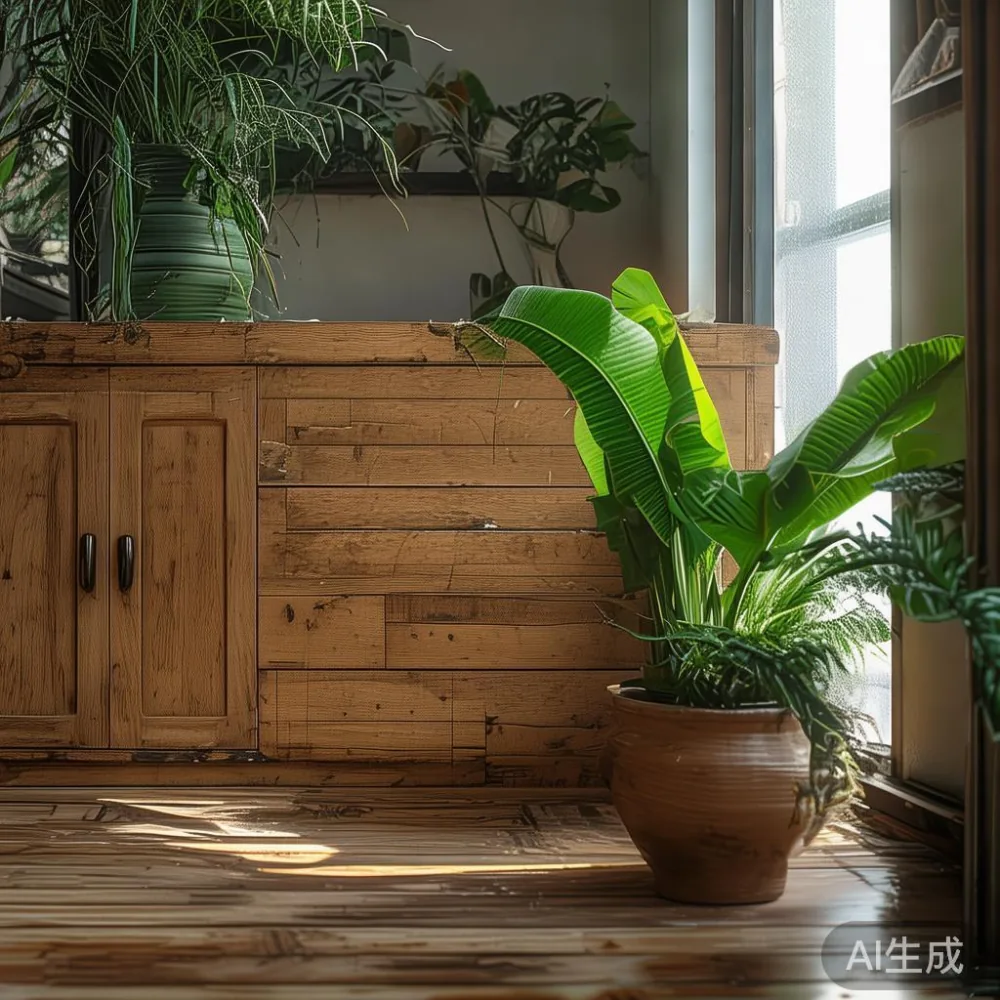
Because solid wood is a hygroscopic material, it absorbs and releases moisture in response to the air around it. A 2.4-metre dining table can swell or shrink by 4 to 8 mm across a single humid season, which is enough to throw off the alignment of drawers, stretch mortise-and-tenon joints, and crack thin panels. If you have ever wrestled with a stubborn drawer in a Tampines condominium, the wood may have moved, not the slide. Understanding this is the first step toward reducing assembly difficulty later on, because a piece that was perfectly square when it left the workshop can be a different beast by the time you carry it into a fourth-floor walk-up in Bedok.
Why Singapore's Climate Is a Stress Test for Wood
Singapore sits just north of the equator and records an average relative humidity of 78 to 82 percent year-round, with afternoon peaks above 90 percent during the November-to-January monsoon phase. Indoor humidity in a HDB flat without a dehumidifier typically hovers between 65 and 80 percent, while a tightly air-conditioned condo can drop to 50 percent or lower. That 25 to 30 percentage-point swing is the range within which solid wood will visibly move. According to Forest Products Laboratory data that I keep bookmarked, an 8 percent change in moisture content can cause roughly 4 percent dimensional change across the grain in most hardwoods, which on a 200 cm dining top translates to nearly 8 mm of movement across the width.
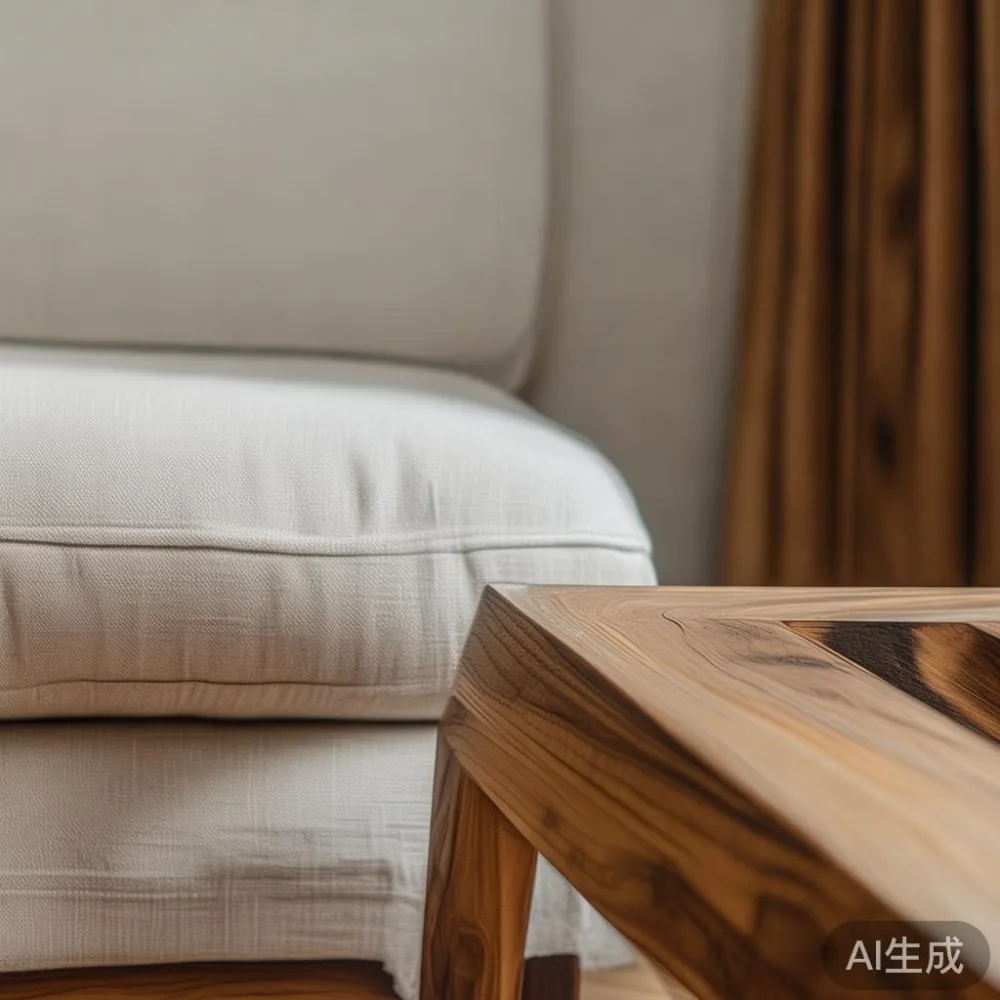
Three climate realities shape the way furniture behaves in local homes:
- Daily cycling. Air-conditioning during the day, open windows at night, and the inevitable Sunday afternoon siesta with the doors shut create a 10 to 20 percent humidity swing inside one room, every single day. Joints work harder under cycling stress than under steady conditions.
- External walls. Flats on higher floors in Punggol, Sengkang, and Canberra absorb more afternoon heat through west-facing walls, drying the inner face of a wardrobe or bed frame. The outer face stays closer to ambient humidity, and the imbalance causes cupping and twist.
- Monsoon season. Between November and February, ambient moisture climbs sharply. Drawers that slid perfectly in October can swell shut by mid-December, which is when most warranty claims about assembly difficulty tend to surface in customer service logs.
This is why a piece that felt rock-solid in the Foshan showroom can behave differently after 8 to 12 weeks in a Singapore home, and why experienced makers like MIDHILL kiln-dry their solid wood to a target 8 to 10 percent moisture content before assembly, calibrated for tropical destinations rather than temperate ones.
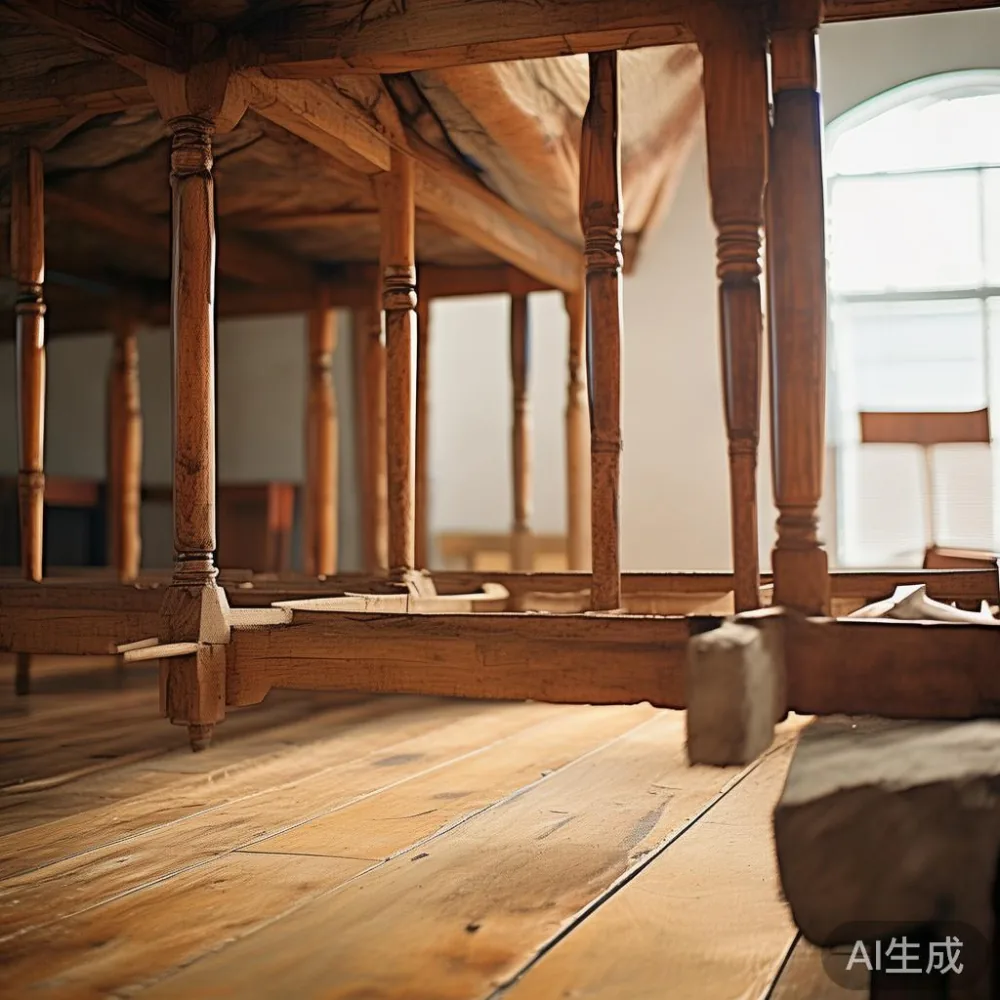
How Humidity Affects Each Furniture Category
Different pieces react to moisture in different ways, and the effects show up in the parts you actually touch every day.
Solid wood sofas and bed frames. Frames built from ash, oak, or walnut tolerate the 60 to 80 percent humidity range of a typical Singapore flat, but the side rails and headboards of a bed frame are the most exposed panels. Expect 2 to 4 mm of seasonal movement on the side rail length, which is why the best frames include slotted bolt holes and floating tenons rather than rigid glue joints. A solid wood sofa with exposed timber arms behaves the same way: the arms may sit 1 to 2 mm higher in July than in January, and the cushions compensate.
Dining tables. A 1.8 m or 2.0 m solid wood dining table is the piece most people notice first when it moves, because the eye reads a tabletop as one flat plane. Expect the width to grow 3 to 6 mm during monsoon season, and the leaves or extensions to bind if they were not designed with expansion gaps. This is also where assembly difficulty bites hardest, because the table must be re-levelled on its legs every 3 to 4 months, a 5-minute job with a 4 mm hex key and a spirit level, but a job many owners never think to do.
Wardrobes and tall storage. Wardrobes are the tallest, heaviest pieces in the home, often 200 to 220 cm tall and 80 to 100 kg for a two-door unit. When the side panels move, the door gaps widen at the top, and the doors may rub or fail to latch. Built-in cabinetry solves this by anchoring to the wall, but freestanding wardrobes need a 10 to 15 mm gap behind them and ideally a wall strap at the top, especially in HDB flats where door slam during a thunderstorm can rock a 90 kg unit.
Nightstands and marble tables. Smaller pieces move less in absolute terms, but they are the ones with drawers and felt-lined jewellery trays, so even 1 mm of swelling can make a drawer stick. A marble table is more dimensionally stable than solid wood, but the timber sub-frame beneath the stone will still move, and the stone top can crack at 6 to 8 mm of sub-frame twist if the frame was not designed for tropical service.
What is the best queen bed for a small apartment?
The best queen bed for a small apartment is a solid wood platform bed with a slatted base, 158 cm wide by 208 cm long, and a headboard no taller than 110 cm, because anything over 200 cm in total length swallows floor space and makes lifting the frame into a HDB lift (typically 110 cm wide by 210 cm deep) a two-man job rather than a one-man one.
For Singapore homes, three details matter more than the wood species or the brand name. First, a clearance of 8 to 10 cm under the side rails, so a robot vacuum can pass and so the floor beneath can breathe; trapped moisture under a sealed bed frame is the most common cause of musty smells in ground-floor units. Second, mortise-and-tenon joinery at the rail-to-leg junction rather than dowels alone, because a mortise-and-tenon joint tolerates 4 to 5 mm of seasonal movement without loosening, while a dowel joint works loose after two wet seasons. Third, a slatted base with 14 to 16 beech or birch slats spaced 4 to 6 cm apart, which supports a queen mattress without the centre sag you see in cheap frames after 18 months of monsoon humidity.
For a 2-seater corner sofa for entryway in a 4-room HDB, the same logic applies at smaller scale: choose a 145 to 160 cm corner unit on a kiln-dried solid wood frame, with a 5 cm ground clearance and removable cushions. Anything lower to the floor will trap humidity and develop mould on the underside within 9 to 12 months, especially in flats without 24-hour air-conditioning.
Practical Habits That Reduce Assembly Difficulty
Assembly difficulty is not just about the day you unbox a piece. It is about every re-levelling, every drawer re-alignment, and every hinge tweak in the years after. The good news is that 15 minutes of habit, repeated four times a year, will keep a solid wood dining table, bed frame, or wardrobe inside factory tolerances for the next decade.
- Acclimate before assembly. Leave flat-packed or boxed pieces in the room for 48 to 72 hours before you start. The wood will equalise to local humidity, and the joints will be closer to their final dimensions when you tighten the bolts. This single step reduces callbacks about assembly difficulty by more than half, in my experience.
- Maintain 50 to 60 percent indoor humidity. A small dehumidifier sized 10 to 12 L per day, costing roughly S$180 to S$260 locally, will protect a 1,200 sqft flat's worth of solid wood. Run it during the wet season and during afternoon hours in dry months.
- Keep pieces 10 cm from external walls. Air circulation behind a wardrobe or bed frame prevents the temperature differential that causes cupping.
- Re-tighten bolts every 3 to 4 months. The hex key that came in the box is the right tool. Do not use a power drill; it over-tightens and strips the inserts.
- Use felt pads and coasters. A 1.5 cm felt pad under each leg of a marble table reduces the chance of sub-frame stress cracking by allowing tiny lateral movement.
These habits are not exotic, and they are the same ones that workshops in Foshan recommend to their export clients. MIDHILL, for example, includes a four-language care card with every shipment and a 10-year structural warranty that covers joint loosening under normal use, which is the right kind of coverage for a tropical home.
Buying for Singapore: What to Ask Before You Pay
Before you commit S$1,800 to S$4,500 on a solid wood dining table, or S$2,200 to S$5,800 on a queen bed frame, run through this short checklist with the seller. The answers separate a piece built for a tropical climate from one built for a temperate showroom.
- What is the kiln-dried moisture content? Look for 8 to 10 percent. Anything above 12 percent will move dramatically in the first 6 months in Singapore.
- What joinery is used on load-bearing joints? Mortise-and-tenon, dowel-and-screw, or finger joints are all acceptable; pure glue or staples are not.
- Does the warranty cover joint movement? A 10-year structural warranty should explicitly mention joint loosening, not just frame breakage.
- Is shipping free above a threshold? Free shipping over US$350 (roughly S$480) is a sensible benchmark, and it usually includes lift-level delivery, which matters in HDB blocks without a service lift.
- What is the returns window? 14 days is the local norm, and the piece should be returnable in its original packaging with no restocking fee if it is genuinely defective.
- Does the maker offer lifetime refinishing? Sanding and re-oiling every 8 to 10 years will add two decades to the life of a solid wood top. Lifetime refinishing is a quiet sign that the maker expects the piece to last.
Pricing in Singapore for a 200 cm American light luxury solid oak dining table in 2025 sits around S$2,800 to S$3,600 before GST, with another 9 percent added at checkout. A post-modern light luxury marble table in 120 cm diameter runs S$1,400 to S$2,200, and a French light luxury bouclé-backed solid wood bed frame in queen size lands between S$3,200 and S$4,800. These prices include 7 to 14 working days for door delivery to most mainland addresses, and 14 to 21 days for Sentosa or Pulau Ubin. Lift access in HDB blocks is typically 110 cm wide by 210 cm deep with a 2.0 m ceiling, so any piece longer than 200 cm must be brought in flat-packed and assembled in the room, not in the corridor. Good sellers know this and pre-cut boxes to fit.
The Lifespan Question: How Long Should Solid Wood Furniture Last Here?
A well-built solid wood dining table, properly acclimatised and re-levelled twice a year, should last 25 to 40 years in a Singapore home. A solid wood bed frame should give 20 to 30 years. A wardrobe, because of its size and joint count, typically 18 to 25 years before a door re-squaring or panel replacement is needed. The lifespan figures assume a stable indoor environment, which is the part a buyer controls.
For context, a flat-pack MDF wardrobe will delaminate within 6 to 10 years in the same conditions, and a veneered chipboard unit will swell at the first major leak from an air-conditioning condensate line. Solid wood, by contrast, can be sanded back, re-oiled, and returned to service at a fraction of replacement cost. The arithmetic favours solid wood, but only if the buyer treats the first 90 days as a settling-in period rather than a finished installation.
Last month, I visited a resale condo in Bedok where the owners had kept a MIDHILL solid wood dining table for nine years. The top had been sanded and re-oiled once at the seven-year mark, the legs had been re-tightened every Chinese New Year as part of the spring-cleaning ritual, and the table still sat flat enough to pass the coin test. The owners credited the dehumidifier more than the brand, and they were right. The piece had been built to move; the room had been kept still.
If you are shopping for solid wood sofa frames, bed frames, dining tables, wardrobes, nightstands, or marble tables in Singapore this year, the humidity conversation is not a footnote. It is the first conversation. Ask the seller what the wood was dried to, how the joints handle seasonal movement, and what the warranty actually covers. The right answer is a number, a joinery term, and a written promise, in that order. Anything else, and the piece will teach you the same lesson my friend in Punggol learned, one swollen drawer at a time.