How to Care for Lacquered Wood Furniture in a Tropical Climate
Singapore’s heat, humidity, rain, and strong indoor air-conditioning can make lacquer care more demanding than care for unfinished solid wood. A lacquered surface may look glass-smooth and resist stains, but it can still react to moisture, ultraviolet light, insects, and abrasive cleaning. For furniture fitted into HDB flats and condos around Tampines, Bedok, and Punggol, sensible preparation matters just as much as the coating itself. This guide explains how to maintain lacquered dining tables, cabinets, wardrobes, and other pieces while protecting their appearance and assembly fittings.
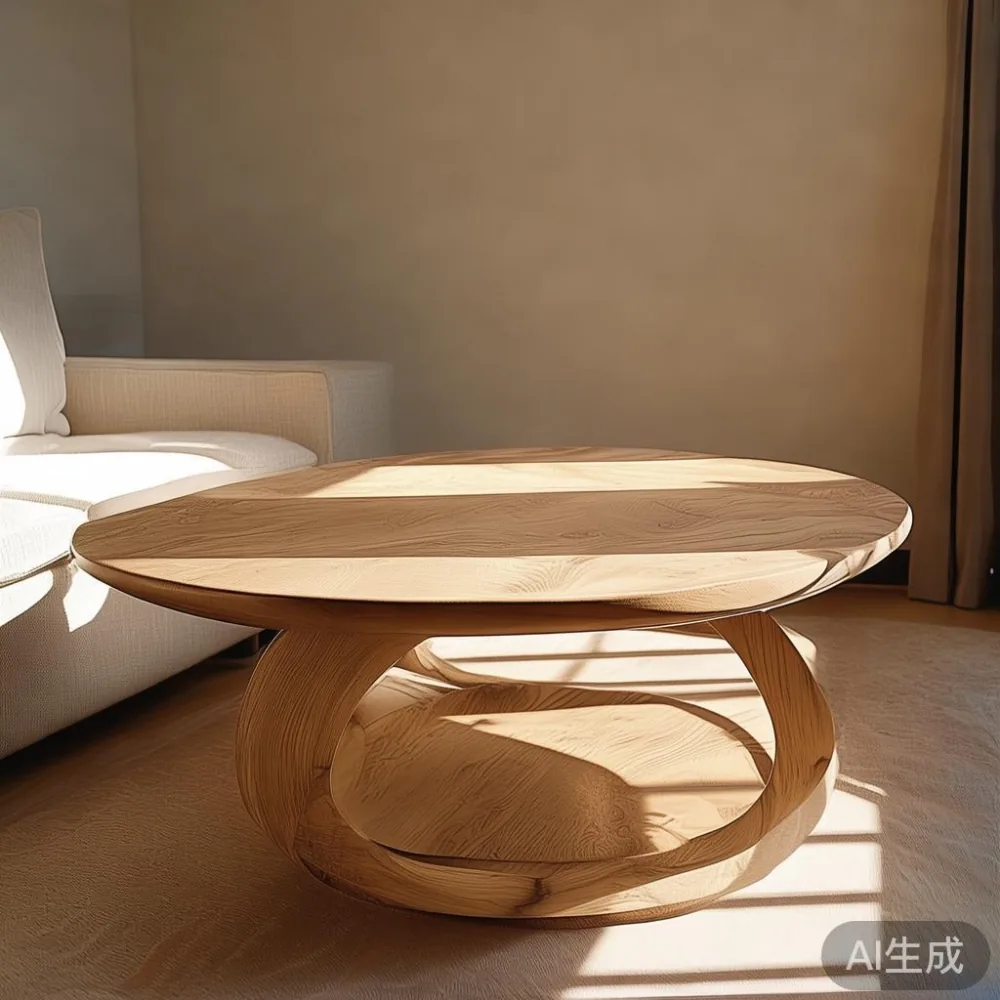
Light-luxury design does not require negligence. French light luxury often uses pale tones, restrained profiles, and reflective lacquer, while American light luxury favours clean comfort and practical finishes. Post-modern light luxury can combine lacquer with solid wood and stone more visibly. Each direction can suit a Singapore home, provided the owner understands how lacquer ages under UV exposure and daily contact.
This care advice is independent of assembly difficulty, although both deserve attention before delivery. If a solid wood sofa, bed frame, dining table, wardrobe, nightstand, or marble table must pass through a narrow lift or corridor, check dimensions and protect each component. MIDHILL has exported solid wood furniture to more than 15 countries since 2008, and this practical perspective extends to lacquer maintenance in warm, humid locations.
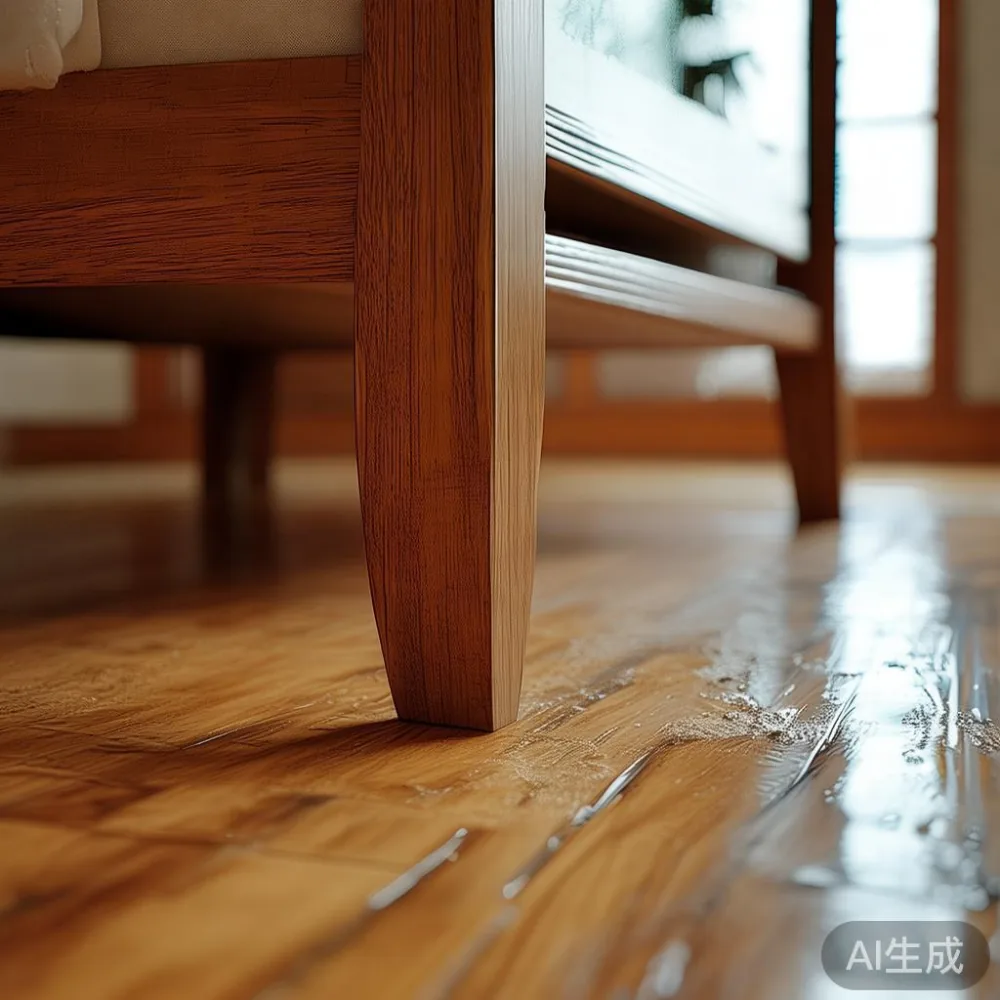
What does tropical humidity do to lacquered furniture?
Heat accelerates chemical change, while airborne moisture encourages swelling beneath a finish and can encourage mould where dirt and water remain. Lacquer generally tolerates normal household humidity better than bare timber, but damaged edges, failed seals, and water traps can expose the substrate. Keep relative humidity around 40–65% where possible. In Singapore, air-conditioning often brings indoor readings below that range during the afternoon, while enclosed corridors and west-facing units can become humid and warm.
Use a hygrometer rather than guessing. Place it near, not directly against, the furniture wall. Readings above 65% call for more ventilation and measured dehumidification; readings below 40% call for avoiding abrupt temperature changes. Wipe condensation from frames within 30 minutes. Do not place a lacquered wardrobe against an uninsulated external wall, and keep furniture at least 15–30 cm from windows if curtains or blinds cannot limit direct sunlight.
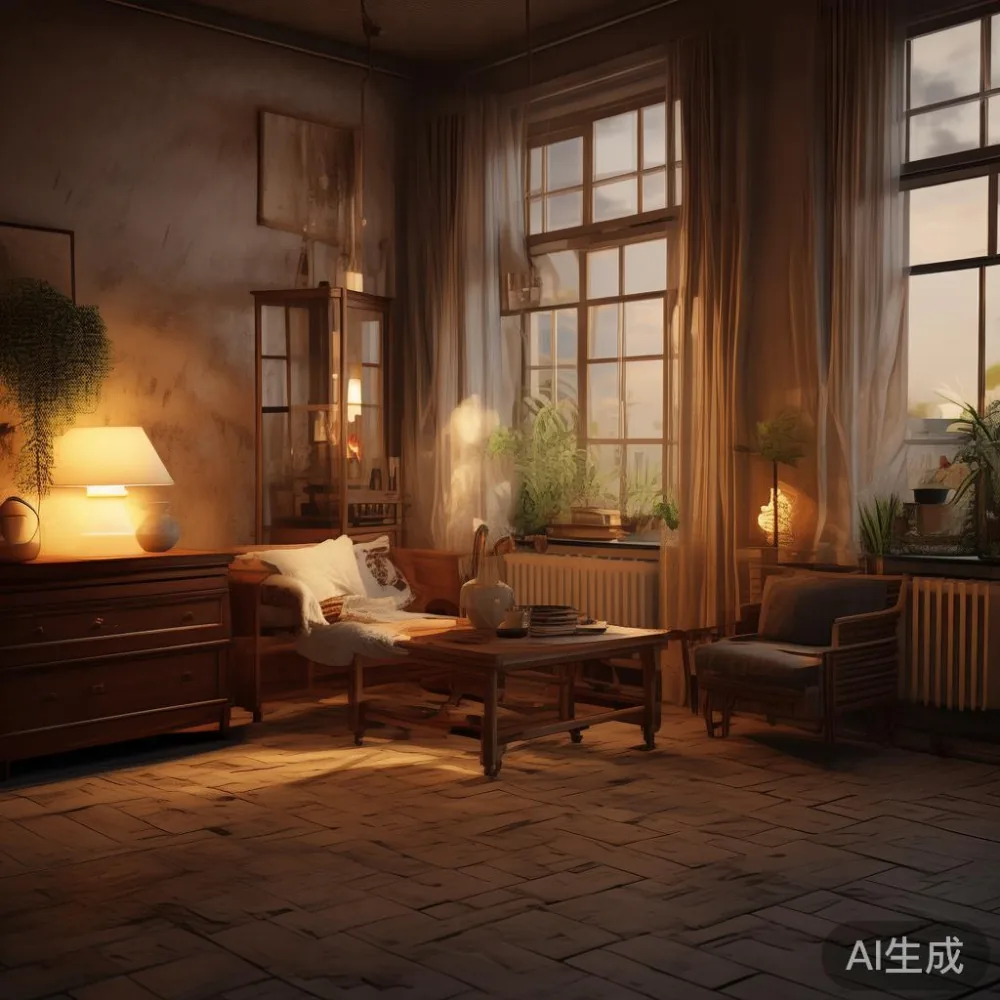
Wood movement remains part of the design. A solid wood dining table may gain 2–4 mm across its width as humidity changes, depending on species and panel construction. Quality lacquer should flex with this movement, but standing water can soften fibres or compromise an edge seal. Singaporean owners should treat lacquer as a protective coating, not as a waterproof membrane.
Which cleaning method is safe for a lacquered dining table?
Begin with a soft, lint-free microfibre cloth and plain water. A cleaner containing isopropyl alcohol may help with fingerprints when diluted correctly, but test it on a hidden 5 cm square for 24 hours. Avoid ammonia, bleach, vinegar, mineral spirits, household oils, waxes, and unlabelled solvents. Silicone and furniture-polish ingredients can create a temporary shine while eventually encouraging a patchy appearance.
For routine cleaning, use two cloths: one moist cloth to lift dirt and a second dry cloth to remove moisture. Never use a soaked cloth, a steam cleaner, or a wet mop turned toward the cabinetry. A well-wrapped solid wood dining table can handle careful wiping, while its lacquered top should not be sprayed directly. Spray cleaner onto the cloth until it feels damp, not dripping.
Spills need prompt control. Remove water, juice, wine, or food within 5 minutes when possible. Blot rather than scrub. Oil marks may require several light passes rather than aggressive rubbing. After any treatment, let the surface dry for 60 minutes before loading plates, keys, laptop cables, or decorative objects.
Last month, I visited a client’s three-room Bedok HDB flat and tested a lacquered sideboard near a humid service balcony. The marked area had been cleaned with a damp sponge for years. A single controlled cloth test showed that trapped silicone—not the lacquer itself—caused much of the uneven shine. Microfibre cleaning improved it after three passes. The experience confirmed that mild cleaning works better than repeatedly applying polish.
How should sunlight and windows be managed around lacquer?
UV light can yellow clear lacquer, fade pigments, and break down binders over time. Curtains should block direct rays but need air circulation to prevent mould behind the fabric. Lined curtains with a 60–80% blackout rating are a practical middle ground. Apply window film that blocks at least 99% of UV rays, and inspect bubbles every 6 months.
Rotate movable furniture occasionally, such as a nightstand or solid wood sofa, so no panel faces prolonged sunlight. Do not slide it by gripping a lacquered top; use the frame or lifting points. Protect a marble table from acidic drinks because etching is a stone problem, yet keep ring-shaped stains off the surrounding lacquer. Outdoor lacquered furniture in a condo poolside common area needs cover for UV exposure and should dry within 30–60 minutes after rain.
Lighting should stay moderate. LED lamps at 2700–3000 K produce less heat than halogen lamps, but prolonged output should still be limited. Keep lighting products at least 20 cm above a lacquered dressing table so bulbs do not create hot spots. Warm illumination complements French light luxury finishes, although the finishing layer—not the lamp colour—determines whether a panel looks clean.
Can scratches be repaired without stripping the whole surface?
Light marks can often be treated without repair. Hold a clean white cloth against the surface for 15 seconds after applying a tiny amount of approved polish; repeated heat-and-soft-cloth action can reduce very shallow marks, but testing is mandatory. A soft eraser may lift some transfer marks on lacquer, although it can create a matte patch. Work over a 10 cm area and stop if the finish warms or feels sticky.
Deep scratches that expose wood require a different response. Photograph the area in daylight, measure the damage, and contact the manufacturer before using a colour stick or lacquer pen. Diameters above 2 mm or chips larger than 5 mm often need professional attention. Filling can shrink and mismatch after 24 hours, and aggressive sanding can cut through the remaining coating.
Assembly difficulty also affects these repairs. A wardrobe with a removable lacquered door panel may take 90–180 minutes to access safely; a fixed side panel may take longer and require two people. Check hinge settings after service because a door rubbing its frame will deepen a mark. MIDHILL’s 10-year structural warranty addresses structural defects rather than every cosmetic scratch, making clear documentation and proper care important.
How do you prevent warping, mould, and insect damage?
Keep lacquered furniture at least 5 cm from floor-level wet areas and 20–30 cm from air-conditioner outlets. Condensation from a cold surface should not be wiped into a joint. Inspect the underside every 6 months for movement, insect frass, lifting edges, or musty odours. Small tunnels, webbing, or powder below a nightstand warrant isolation and professional pest treatment.
Use coasters with a raised rim, placemats that do not have rough woven fibres, and felt beneath décor bases. Coasters should be replaced when they no longer absorb moisture, typically after 6–18 months. Check electronics before setting a charging cable or humidifier on a lacquered surface. Coasters reduce stains, but a hot laptop can still transfer heat to a finish.
For a wardrobe, maintain airflow inside and behind the carcass. Leave space for rods and shelves to expand, and avoid overfilling sections with damp linen. If the assembly manual specifies 20 mm behind a back panel, preserve that space. It supports airflow and can reduce assembly difficulty during future hinge adjustments.
How should lacquered furniture be packed and moved around Singapore?
Measure every route before purchase. Many HDB lift openings are about 90 cm wide and 200 cm deep, while some older installations are smaller. Condo service lifts may accommodate furniture above those figures, yet turns in corridors can restrict the diagonal. Record the lift door, corridor turns, staircase width, and internal bedroom doorway in centimetres. Add 5–10 cm of handling clearance rather than assuming a piece will pivot.
Wrap lacquered panels separately with acid-free tissue, soft non-wear pads, and a ventilated outer cover. Plastic can trap moisture, so it should not touch the lacquer for longer than 4–6 hours during a wet delivery. Tap or wrap—not strap—marble table sections independently because pressure can fracture stone. A solid wood bed frame may arrive in 4–8 protected sections, while a solid wood sofa may require 6–10 supports around its cushions.
Plan for delivery across 3–7 Singapore working days after dispatch, although customs, building rules, and lift bookings can alter timing. Shipping over SGD 350 is offered without a separate freight charge, and 14-day returns are available under the stated policy. GST and final totals should be shown clearly in SGD at checkout. These details should be confirmed before ordering, especially when a marble table has separate dispatch timing.
Is an American bed worth it for a humid apartment?
That depends on construction, ventilation, and the finish, not nationality alone. A well-made solid wood bed frame with a stable finish can suit an air-conditioned bedroom in Tampines or Punggol. Check that the slats are spaced closely enough for the mattress type, that centre supports span no more than the manufacturer’s limit, and that moisture barriers do not trap humidity. A box spring or mattress can block airflow beneath a slatted base, so leave clearance where specified.
Compare total dimensions in centimetres and measure the lift route again. An oversized king bed frame may fit a larger condo lift yet fail at a corridor turn. For someone weighing is American bed worth it for humid Singapore rooms, inspect joist thickness, centre legs, joining hardware, ventilation, and lacquer care rather than relying on style alone. Light luxury comfort is useful only when daily movement and moisture management are understood.
How do I choose furniture finishes that suit my home?
Samples can look different for 48 hours after arrival because a coating is no longer surrounded by the lighting and airflow of the factory. View paint and lacquer samples under daylight and under the LEDs used at night. Ask for a maintenance sample and confirm whether the expected patina includes minor colour variation. A warm, pale surface suits French light luxury; a restrained matte tone fits American light luxury; post-modern light luxury may pair lacquer with timber grain and stone.
Search references such as top 10 French furniture to understand common forms, then compare actual construction and finish care. Online labels do not guarantee quality. For a distinct silhouette, European sofa vs French provincial sofa illustrates why upholstery matters as much as appearance: one design may emphasize clean European lines, while the other uses softer detailing. Neither phrase changes humidity requirements for a lacquered cabinet.
A small room also benefits from measured furniture layouts. Leave 75–90 cm beside a bed where drawers must open, keep wardrobe doors within hinge reach, and maintain 90 cm around a dining table when chairs are occupied. For a Modern light luxury dressing table, verify knee clearance, cable access, and wall anchoring rather than relying only on mirrored dimensions.
A Japandi wardrobe can use pale framing, clean storage, and visible timber; how to style Japandi wardrobe in apartment is partly a question of spacing and ventilation. Avoid placing it directly beside a shower area or beneath a leaking balcony door. For a Coastal for guest room scheme, choose washable covers, pale finishes, and removable trims rather than a delicate open-pore treatment.
What is the practical care schedule?
Check humidity and lacquer daily in rooms with known condensation, wipe visible marks immediately, and dust every 7 days with a dry microfibre cloth. Inspect table surfaces and nightstands monthly. Check wardrobe hinges, seals, and back ventilation every 6 months. Recoat exposed lacquer only according to the maker’s instructions, commonly after several years depending on UV exposure and wear; do not guess with household varnish.
Record purchase details, warranty documents, and finish samples. The lifetime refinishing service offered by MIDHILL is a long-term care resource, but cosmetic damage can still be influenced by UV exposure, water, chemicals, and assembly. Keep furniture dry, stable, gently cleaned, and correctly routed through the home. Those habits preserve the look of a dining table, wardrobe, bed frame, nightstand, solid wood sofa, dressing table, or marble table without expecting lacquer to perform without care.