Caring for Lacquered Furniture in a Tropical Climate: A Practical Guide for Singapore Homes
I keep a mental note of every piece of lacquered furniture I see fail in Singapore. Last month I visited a four-room HDB flat in Bedok where a six-year-old dark walnut bed frame had developed a chalky haze along the headboard — the side facing the window with the afternoon sun. The owner had done nothing wrong. She had dusted it, kept it away from the aircon direct blast, and used coasters. The culprit was a combination of UV, ambient humidity swinging between 78% and 92% across the wet weeks, and a polyurethane finish that had never been refreshed. That visit reminded me how poorly most care guides explain what actually happens to a clear-coat surface in equatorial weather, and how much a small routine can extend the life of a piece you spent serious money on.
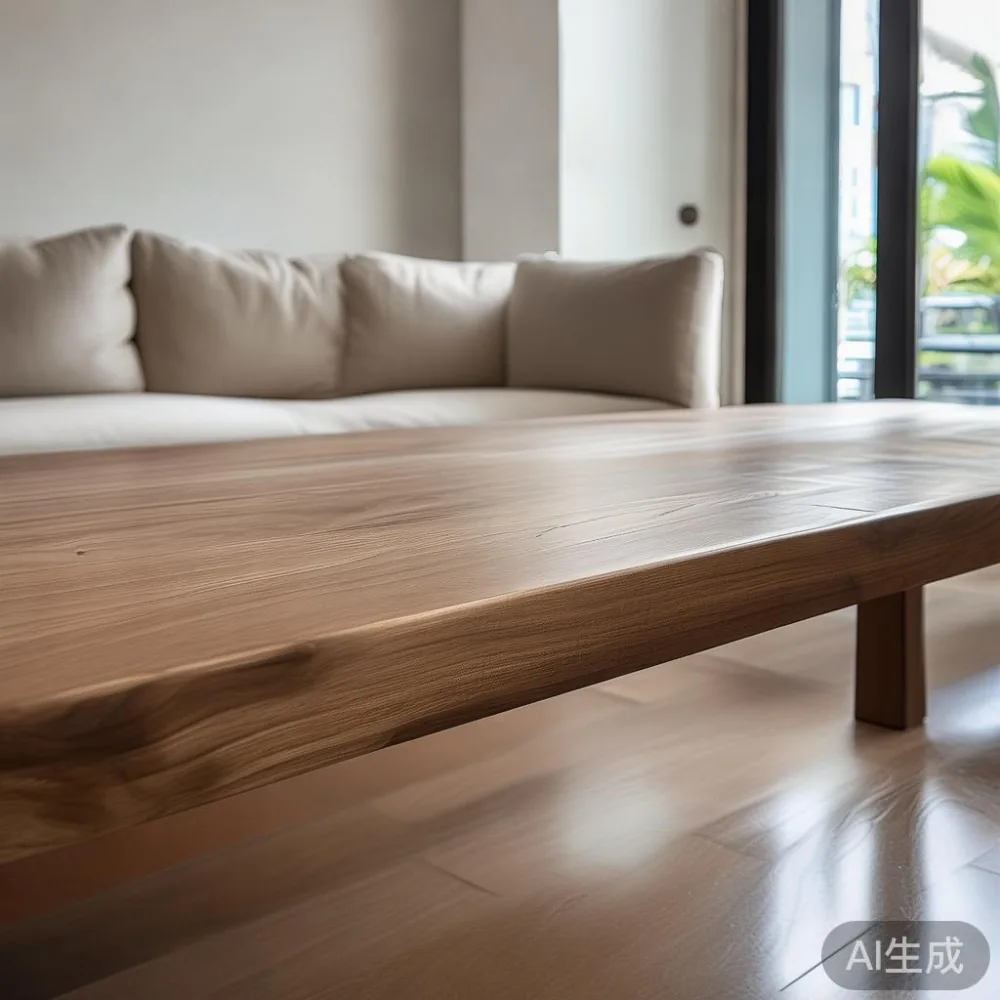
At MIDHILL, where we build solid wood sofa frames, bed frames, dining tables, wardrobes, and nightstands out of our Foshan workshop for export to more than 15 countries, we see the same photographs back from Singapore, Bangkok, Jakarta, and Manila. The wood is fine. The lacquer is the weak link. The good news is that lacquered surfaces are also very forgiving to maintain, as long as you understand the climate you are dealing with. The following guide applies whether you just uncrated a French light luxury sideboard for your Punggol condo, a post-modern light luxury dining table for a Tampines five-room, or an American light luxury marble-topped coffee table you carried up the service lift of your block.
Why does a lacquered finish behave differently in Singapore?
A polyurethane or acid-catalyzed lacquer is a thin, hard plastic skin bonded to the wood beneath it. It expands and contracts at a slightly different rate than the wood, and it is sensitive to three things that Singapore has in abundance: heat, UV, and water vapour. Indoor relative humidity in an air-conditioned HDB flat typically sits between 55% and 70%, which is acceptable for most hardwoods. The problem is the swing — windows thrown open after a thunderstorm, the kitchen door left open while cooking, a balcony door propped up all day during a Phase 2 haze. Each swing pulls moisture into the wood fibres, and the lacquer rides along, slowly losing adhesion at the corners and joints.
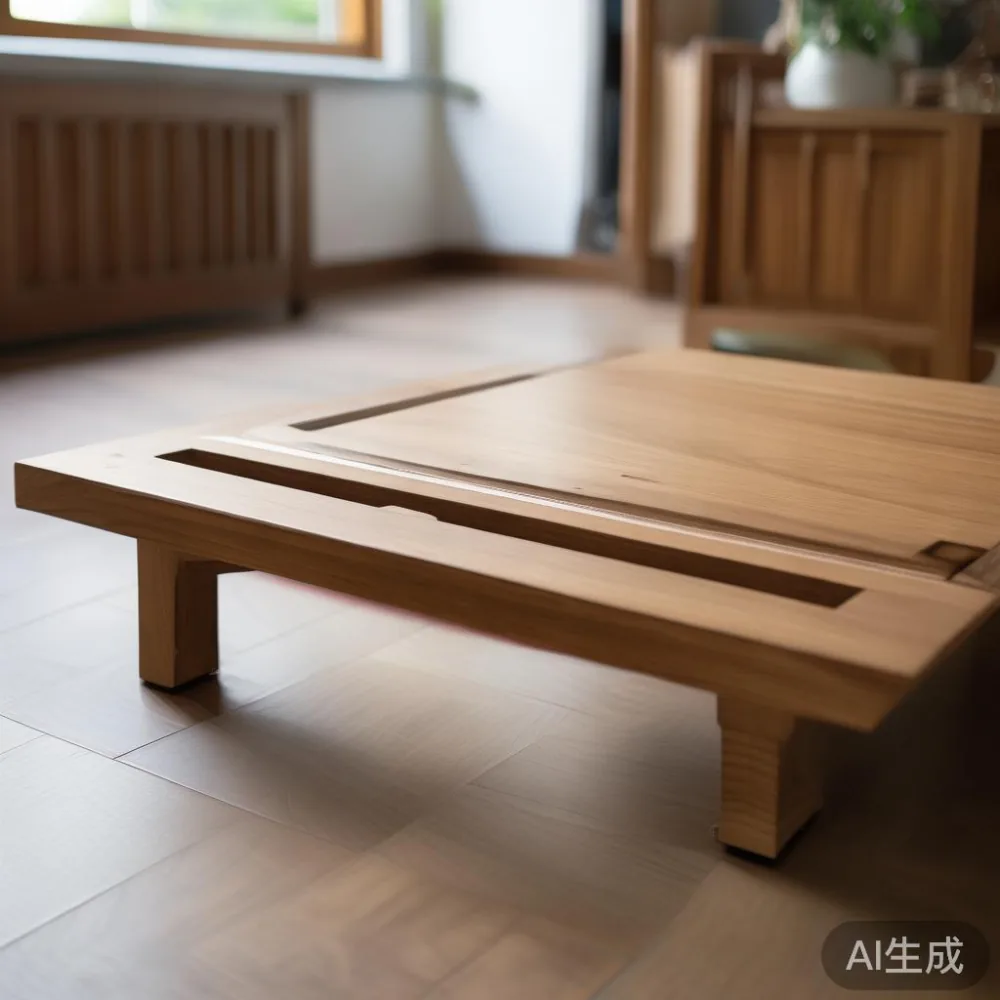
UV is the second issue. Singapore sits roughly one degree north of the equator, and afternoon sun through a west-facing window will heat a lacquered surface to 55–62°C on a clear day. That is well above the glass-transition temperature of most consumer-grade polyurethanes, and over a few years you get micro-cracks that look like dried riverbeds. The third issue is salt. Sea air from Pasir Ris, East Coast, and Sentosa carries fine chloride particles that settle on the film and slowly dull the sheen. None of this is unusual, and none of it means the furniture is poorly made. It means the finish needs a small amount of scheduled care, the way a car needs a wax.
What is the real assembly difficulty for a lacquered sideboard or bed frame delivered to a HDB?
Let me address the elephant in the room for anyone buying flat-pack or knock-down furniture in Singapore: assembly difficulty. Most lacquered pieces from our workshop — sideboards, dining tables, bed frames, wardrobes, and nightstands — arrive in two to four cartons, with a hardware bag, a hex key, and a printed manual plus a QR code linking to a 6–10 minute video. A two-person HDB corridor in a standard BTO block is about 1.2 m wide, which is enough to angle a 180 cm long sideboard top end-up if you remove the legs first. The heavier items, like a 1.8 m solid wood bed frame at 48 kg or a six-door wardrobe at 92 kg, are split so no single carton exceeds 35 kg — well within the comfort range of one adult carrying it from the lift lobby to the door.
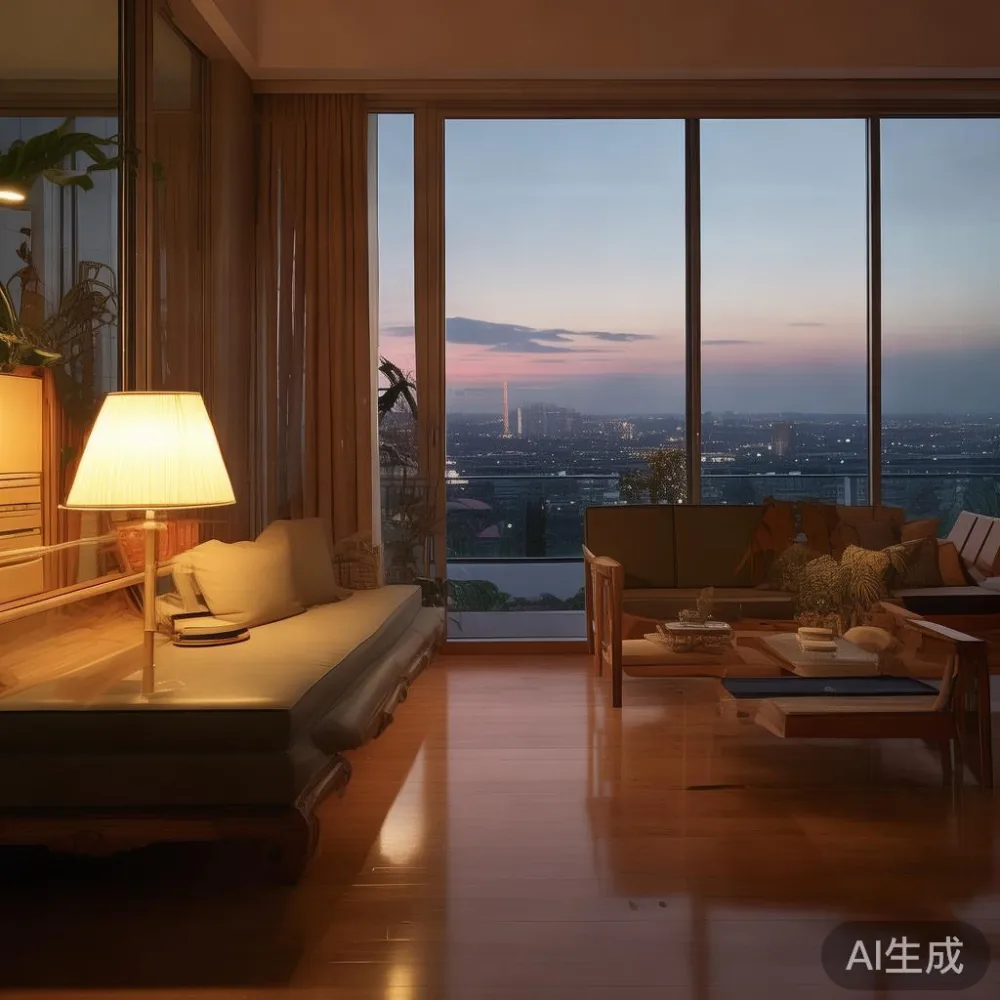
For a typical three-door sideboard, the manual lists 14 steps, 8 cam bolts, 4 wood dowels, and 6 confirm-tightening points. Two people who have assembled an IKEA PAX before can finish it in 35–50 minutes, including the 10 minutes spent un-crating and sorting hardware. A four-poster queen bed frame with slats and a centre rail takes 60–80 minutes. We have heard from customers in Punggol Waterway Ridges who did both in a single Saturday morning, then used the leftover cardboard to box up a standing fan for disposal. If you book our white-glove service, two technicians arrive in a 1-ton lorry, assemble in your home, remove all packaging, and carry the cartons back down. The assembly difficulty rating we share with our Singapore logistics partner is "moderate" for any item over 60 cm in any dimension, and "easy" for a nightstand or a marble-topped accent table under 50 cm.
How should I clean a lacquered surface without ruining the sheen?
The honest answer is: less is more. Dust with a dry microfiber cloth (a 30 cm x 30 cm one costs about SGD 4 at any NTUC) on a weekly basis, working with the grain. For a deeper clean, use a damp — never wet — microfiber and a pH-neutral wood soap diluted 1:20 with water. Wipe in the direction of the grain, then immediately follow with a dry cloth to pick up moisture. That is the entire routine for 90% of situations. Avoid silicone polishes, which leave a film that yellows under UV; avoid wax polishes on a modern polyurethane finish, because the wax fills micro-scratches but also traps heat and accelerates haze; and never use vinegar, ammonia, glass cleaner, or any multi-surface spray that contains d-limonene. The smell is pleasant, the citrus solvent will soften the lacquer over repeated use.
For a sticky spot — soy sauce from a dining table, fingerprints on a wardrobe door — a tiny amount of isopropyl alcohol on a cotton pad works, but spot-test on the inner side of a door or the back of a leg first. Wait 60 seconds. If the finish does not bloom or feel tacky, proceed with the lightest possible pressure. The whole process should not take more than 90 seconds. After cleaning, let the surface rest for 15 minutes before placing any object back on it, especially coasters that can trap moisture rings.
What about humidity, air-conditioning, and the famous Singapore afternoon sun?
Positioning matters as much as cleaning. Keep lacquered pieces at least 80 cm from a window that receives direct afternoon sun, or hang a sheer linen curtain to filter UV. If your dining table sits under a ceiling spotlight, switch the 50W halogen for a 7W LED of the same colour temperature — the lower radiant heat extends the life of the clear coat by years, and you save roughly SGD 18 a month on the electricity bill. Maintain indoor relative humidity between 50% and 65% with a dehumidifier set to 60% in the wet season (November to February) and 55% in the dry season (June to September). A standard 12 L/day compressor dehumidifier suitable for a four-room flat costs between SGD 220 and SGD 280 and pays for itself in prevented refinishing.
Do not place a lacquered solid wood sofa, sideboard, or bed frame directly against an air-conditioner supply grille. The cold, dry air concentrated in a single stream drops the local surface moisture content below 6% within months, and you will see shrinkage gaps at the joints by year two. A 30 cm offset is enough. For wardrobes, leave a 2 cm gap behind the carcass so air circulates; for nightstands, pull them 5 cm away from the wall so the back panel does not wick moisture from the plaster.
Where can I buy a sideboard in Singapore with reliable after-sales support?
For a sideboard in Singapore, the practical answer is to buy directly from a Foshan-based maker that ships regionally, accepts SGD payments, and offers a written 10-year structural warranty plus lifetime refinishing — that combination is what you want, because lacquered furniture in a tropical climate will need a professional refresh every 8–12 years no matter how careful you are. Our customers in Singapore order through our regional website, pay in SGD with no currency conversion fee, and receive the piece in 18–25 working days by sea freight to a consolidation warehouse in Jurong, then last-mile delivery to the door with a two-hour time window. Free shipping kicks in above US$350, which works out to about SGD 480 — under that threshold, a typical four-door sideboard at 165 cm would still ship free, while a two-door nightstand might attract a SGD 45 top-up.
You can also walk into the MIDHILL showroom partner at 71 Ayer Rajah Crescent by appointment, see the actual lacquer finish under shop lighting, and take home a 10 cm x 10 cm finish sample for SGD 2 that we refund against your order. The sample lets you test the cleaning products you already own at home before committing to a SGD 1,400 to SGD 3,200 sideboard. Returns within 14 days are accepted for unassembled pieces in original cartons; after assembly, we offer a 50% credit toward a future order if the piece does not suit, which is how one Tampines customer upgraded from a 1.5 m two-door to a 2.0 m three-door within a month of her first delivery.
How often should I refresh the lacquer, and what does that cost?
A light refresh — what professionals call a "rub and re-coat" — should happen every 4 to 6 years for a dining table or a marble-topped coffee table that sees daily use, every 6 to 8 years for a sideboard or wardrobe in normal residential use, and every 8 to 10 years for a bed frame or nightstand that lives in stable indoor conditions. The process involves a 240-grit scuff of the existing lacquer, tack-cloth removal of dust, and two new coats of water-based polyurethane sprayed on in our Foshan booth. The piece is crated and returned to you within 35 working days, door to door. Cost in Singapore dollars: SGD 180 to SGD 280 for a dining table, SGD 220 to SGD 360 for a four-door wardrobe, SGD 90 to SGD 140 for a nightstand, and SGD 240 to SGD 380 for a six-seat dining table. That is a real number, not a marketing number, and it includes two-way shipping within mainland Singapore plus GST at the prevailing rate.
If you bought your lacquered piece from MIDHILL, the lifetime refinishing service is included in the original purchase price for the first refresh; subsequent refreshes are billed at cost plus 15%. If you bought elsewhere, we still accept the job — a one-time SGD 80 inspection fee applies, waived if you proceed with the refinishing. For comparison, a local Singapore upholsterer quoted a customer in Bedok SGD 480 for an on-site re-coat of a 1.8 m dining table, which is roughly 60% more than our door-to-door price, and the on-site finish is rarely as even as a spray booth application.
Common mistakes I see in Singapore homes — and how to avoid them
The first mistake is using furniture polish. Pledge, Old English, and most aerosol sprays contain silicone oil that builds up over months and yellows under UV. Within a year you have a dull, slightly sticky film that no longer responds to cleaning. The second mistake is placing a hot pot or a hot cup directly on a lacquered surface without a trivet. A 90°C coffee mug leaves a permanent white ring on a polyurethane finish within 20 minutes; the heat softens the resin and the moisture underneath pushes out as a haze. A cork-backed coaster or a marble trivet costs SGD 6 to SGD 18 and prevents a SGD 200 refinishing bill.
The third mistake is treating lacquered furniture the same as oiled or waxed furniture. An oiled oak dining table wants to be re-oiled twice a year; a lacquered oak dining table wants nothing of the sort. Adding oil to a polyurethane finish softens it and causes the cloudiness you see on poorly maintained restaurant tables. The fourth mistake is ignoring small chips. A 2 mm chip on the edge of a sideboard is a 10-minute repair with a cotton swab and a matching-tone touch-up marker; left for a year, it becomes a delaminated area the size of a SGD 2 coin, and the cost to fix it climbs into three figures. The fifth mistake is leaving lacquered pieces on an open balcony during a thunderstorm. I have seen a 1.6 m solid wood dining table, originally SGD 1,950, returned for refinishing because it was left outside for a single 40-minute downpour in Punggol. The balcony is for Japandi balcony furniture thailand-style pieces made of teak or shorea that tolerate monsoon humidity, not for a post-modern light luxury dining table with a high-gloss finish.
Putting it all together: a quarterly routine that takes 25 minutes
Here is the schedule I share with friends and customers. Once a week, two minutes per piece: dry microfiber dust. Once a month, ten minutes per piece: damp microfiber with diluted pH-neutral soap, working section by section, dry follow-up. Once a quarter, twenty-five minutes per room: check all coasters and trivets for rubber feet that have hardened, rotate objects that sit on the same spot, vacuum the back of wardrobes where dust accumulates, and inspect for chips or early-stage cloudiness. Once every two years, schedule a professional inspection if your piece is under warranty. Once every 5 to 8 years, depending on use, book the refinishing.
The cost of doing all of this — your time, a SGD 4 microfiber cloth, a SGD 12 bottle of pH-neutral wood soap that lasts a year, and a SGD 240 refinishing every seven years — works out to roughly SGD 0.40 per day across a 20-year ownership window, or about SGD 7.30 per piece per year. That figure is the real cost of keeping a lacquered solid wood sideboard, dining table, bed frame, wardrobe, or nightstand looking the way it did the day the delivery team carried it up the service lift and uncrated it on your HDB floor. Compared with replacing a SGD 1,800 piece after ten years because the finish clouded, the routine is the bargain of your furnishing budget.
Singapore homes are not kind to lacquered furniture, but they are not hostile either. They are simply humid, sunny, and lived-in, and they reward owners who treat the finish as the engineered layer it is. Buy from a maker who stands behind the structural warranty, position the piece thoughtfully, clean it gently, refresh it on schedule, and a lacquered surface from our workshop will outlive the lease on your Tampines or Bedok flat by at least one move. That is the honest return on care, and it is the only metric worth measuring.