Solid Wood Price Factors: Understanding Solid Wood Furniture Costs
Solid wood furniture prices are often discussed as if timber species were the only factor. In practice, the final figure is shaped by material selection, moisture control, joinery, finish, hardware, dimensions, packaging, assembly difficulty and delivery access. A dining table can use the same oak as a wardrobe and still cost SGD 2,400 more because the table contains wider boards, more machining and a more demanding support system.
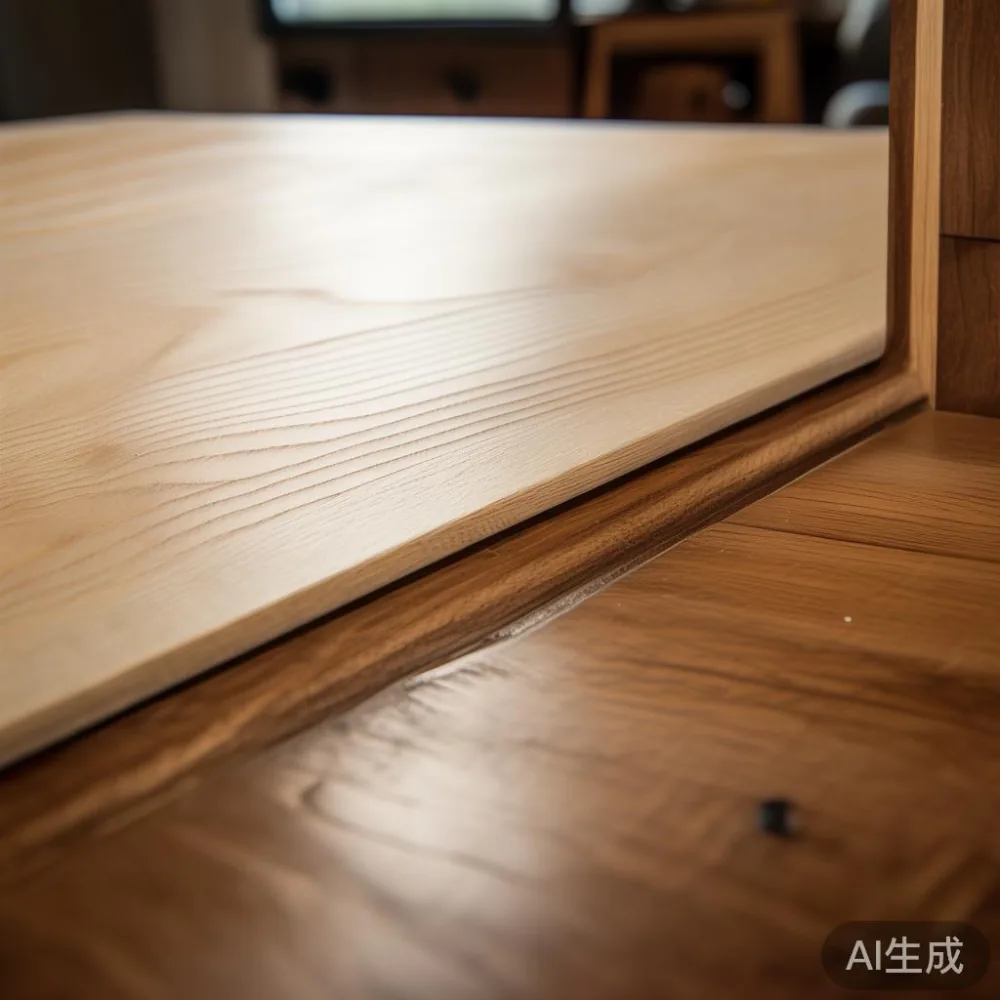
This guide explains those cost drivers in practical terms, with particular attention to Singapore homes. Lift doors, corridor turns, stair landings and flat-pack carton sizes affect both freight and assembly. GST also matters: displayed prices may exclude 9% GST, so a SGD 3,000 item becomes SGD 3,270 after tax. For buyers comparing international furniture, product terms such as solid wood sofa, bed frame, dining table, wardrobe, nightstand and marble table need careful comparison rather than broad style labels.
Is solid wood automatically more expensive than engineered wood?
Not necessarily. Solid wood can be expensive when it is scarce, slowly grown, well seasoned and machined to shape. It can cost less than a high-grade engineered panel product with premium veneer, lacquer, complex hardware and a reinforced frame. The meaningful question is not simply “solid or not solid?”, but which parts are solid, how thick they are, and how much preparation they require.

A solid wood bed frame may have a 20–25 cm headboard, 4–6 cm legs and rails assembled with dowels, bolts or mortise-and-tenon joints. An engineered bed may use 18 mm panels for secondary surfaces and thicker structural members where needed. Neither construction is automatically superior. Load paths, moisture movement, joint design and finish quality matter.
For a dining table, solid timber boards around 4–6 cm thick demand careful selection because wide sections can move as humidity changes. A marble table may have a comparatively simple timber base but a costly stone slab, polishing process and heavy protective packaging. Its weight can add SGD 80–SGD 250 to a Singapore delivery, especially when two people and a stair landing are involved.

Buyers searching for a MIDHILL light luxury bed should compare the complete construction: frame timber, slat spacing, centre supports, joint type, finish and mattress clearance. A low purchase price can be offset by replacing a weak slat system or adding a mattress that does not fit the internal dimensions.
How much do timber species and board grades affect the price?
Species create a major cost difference because of availability, yield, colour, grain and processing demands. Teak and walnut often command more than common hardwoods or pine. A single defect-free board can also cost more than several narrow boards, even when the total area is similar. Board width, length and straightness influence waste and labour.
Consider a 200 × 100 cm dining table. If the top uses 10 boards, each 20 cm wide, the maker must select for colour variation, knots and movement. If it uses 4 wider boards, the material yield may improve, but the board preparation and drying requirement become more demanding. Neither route should be judged only by board count.
Thickness is equally important. A 3 cm top may be adequate for many residential settings; a 6 cm top adds visual weight and material cost. The price also reflects kiln drying, sanding, edge treatment and the number of surfaces finished. A hidden underside may use a less intensive process than a visible top, while an exposed end grain needs sealing to reduce moisture uptake.
Singapore’s humid climate makes moisture control part of the product, not merely a factory footnote. Responsible makers aim for wood moisture content appropriate to indoor conditions and use ventilation, protective finishes and stable joints. Ask whether replacement pieces are available. MIDHILL offers lifetime refinishing, which can reduce the long-term cost of colour wear, although suitability depends on the original surface and future condition.
What does assembly difficulty add to the price?
Assembly difficulty affects price through labour, hardware count, packaging and the risk of damage. A wardrobe requiring 16 dowels, 12 screws, 4 hinges and 2 anti-tip brackets takes longer to assemble than a nightstand with 4 screws. It may also require more precise alignment because door gaps and drawer movement are visible.
Assembly difficulty is often understated in online listings. Check whether legs are pre-installed, whether the frame arrives upright, how many people are needed and whether tools are included. A 70 kg bed frame delivered in 3 cartons may be easier to handle at home than a 40 kg bed frame delivered as 1 large carton, because smaller packages can be split and carried through narrower turns.
In an HDB flat, a 90 cm door and an 85–100 cm lift opening can make the carton size more important than the furniture dimensions. A 210 cm long package cannot always be tilted through a corridor corner. A bed frame may fit after disassembly, but a dining table top can be difficult if it is not separable. Measure the route before ordering: door width, lift car depth, lift door width, corridor turns and the distance from the lift to the room.
Assembly charges are not always included. In Singapore, a difficult installation may add roughly SGD 80–SGD 250 for a bed or dining table, while wardrobes and built-in-style storage may cost more. Confirm whether the quoted service includes carrying, unpacking, assembly, packaging removal and placement. It is sensible to photograph connections before assembly, since a documented step can help with warranty claims.
Does style and design language explain the price difference?
Style can influence price, but it does not explain it alone. French light luxury, American light luxury and post-modern light luxury may share pale woods, gentle profiles, upholstered details and restrained decoration. The actual cost may come from curved edges, upholstered panels, carved details, matched veneer, repeated machining and hand finishing.
A French provincial dining table can require a shaped apron, detailed legs and a finish with multiple colour layers. A Scandinavian for dining room design may look visually simpler, but the table can still be costly if it uses wide solid boards, carefully matched grain and a durable conversion treatment. A solid wood sofa may cost more than a basic upholstered model because the timber frame, webbing, foam specification, fabric and stitching all contribute.
When comparing French bed vs French provincial bed, look beyond the name. One design may use a solid timber frame with a padded headboard; another may use a similar silhouette with engineered panels and decorative mouldings. Check the frame dimensions, slat count, centre leg arrangement, upholstery details and warranty before assuming they are equivalent.
Modern light luxury for guest room planning can also affect sizing. A compact 120 cm guest bed may use less timber than a 180 cm master bed, yet cost more if it includes a high upholstered headboard, matching side pieces or concealed storage. In a condo bedroom, the practical constraints are mattress clearance, wardrobe access and the swing of the door.
What do finishes, hardware and hidden details cost?
Finish is one of the clearest price levers. Paint can be economical when applied consistently to compatible wood. Transparent lacquer, oil, wax and stain systems require preparation, colour matching and more controlled application. A rubbed-ink finish may hide minor variation but requires extra sanding. An open-pore finish can feel refined while demanding careful preparation of large surfaces.
Hardware matters too. A plain cam lock is inexpensive; a soft-close drawer slide, concealed hinge, brass movement or adjustable leg system adds cost and installation time. A wardrobe may use soft-close hinges as a selling point, but they should be paired with correctly aligned doors and a stable carcass. A nightstand may look simple while requiring a concealed cable opening, drawer suspension and a rear finish that prevents scuffing.
Ask what is covered by the structural warranty. A 10-year structural warranty says nothing about every surface or moving part unless the documents specify the scope. MIDHILL’s 10-year structural warranty and lifetime refinishing provide useful reference points, but buyers should still confirm care requirements, exclusions and the process for transporting a damaged item back for assessment.
How do delivery, GST and returns change the total?
Freight is affected by distance, carton volume, weight and access. A 60 kg dining table packed into 2 manageable cartons may cost less to deliver than a 35 kg table packed in 1 oversized carton. Delivery to Tampines, Bedok or Punggol may take 3–7 business days after production, while a made-to-order wardrobe can take 4–8 weeks. The timing should be stated rather than implied.
GST is another major line item. At 9%, SGD 1,850 becomes SGD 2,016.50, and SGD 4,500 becomes SGD 4,905. Compare the tax-inclusive total, not the headline price. Also check whether free shipping over US$350 applies to the destination and whether an international threshold can be confused with local Singapore delivery pricing.
Returns and assembly interact. A 14-day return period is useful, but a heavy item may require pickup, access fees or return freight. Confirm whether the product must be unassembled, whether packaging must be retained and who pays for damage. For a marble table, a chipped slab cannot be repaired like a small timber scratch, so inspect packaging and stone surfaces as soon as the item arrives.
What should I compare before paying for solid wood furniture?
Start with the product record. For a bed frame, note dimensions, clear mattress size, slat spacing, frame material and centre-support arrangement. For a dining table, note top thickness, extension method, apron construction, seating clearance and whether the top separates for transport. For a wardrobe, note internal width, hanging space, shelf load, hinge type, wall fixing and anti-tip provision. For a nightstand, check drawer travel, rear clearance and cable access.
Then compare the commercial record. Look for a stated warranty period, finish care guidance, replacement-part policy, delivery lead time, return conditions and GST treatment. A seller who can explain assembly difficulty clearly is usually more prepared than one who simply promises easy installation.
Last month I visited a supplier’s assembly area in Foshan and watched a dining table take 22 minutes to assemble. The frame arrived with 6 bolts fitted, but the top required 4 separate leg attachments, a locking mechanism and a final alignment check. The worker explained that the factory price covered fewer labour minutes than the assembled retail presentation suggests. That observation is a useful reminder: assembly difficulty is not just a customer inconvenience; it is part of the product’s manufacturing and logistics.
MIDHILL has exported to 15+ countries since 2008, which can be useful context when assessing production experience, but the individual product still deserves inspection. For shoppers using search phrases such as top 10 Coastal furniture, compare coastal-style dining tables, beds and storage by their timber, dimensions, finish and delivery route—not by the style label alone. A calm coastal room often needs pieces that tolerate humidity and repeated daily use.
The strongest value is a total-cost comparison. A lower-priced solid wood dining table may need 2 extra assembly hours, a replacement fitting and a replacement finish sooner. A higher-priced table may include stronger hardware, simpler assembly and clearer care support. Compare the product, delivery, GST, returns and likely maintenance over a 10-year period rather than judging by one number.