Solid Wood Furniture Prices in Singapore: The Factors
Solid wood furniture can cost SGD 600 for a dining table or more than SGD 8,000 for a large wardrobe, yet the product page may show only a photograph, a material name and a short description. The difference is not simply an expensive-looking finish. Price is determined by timber species, yield, dimensions, construction, hardware, surface treatment, packaging and the amount of work required to deliver the piece into a Singapore home.
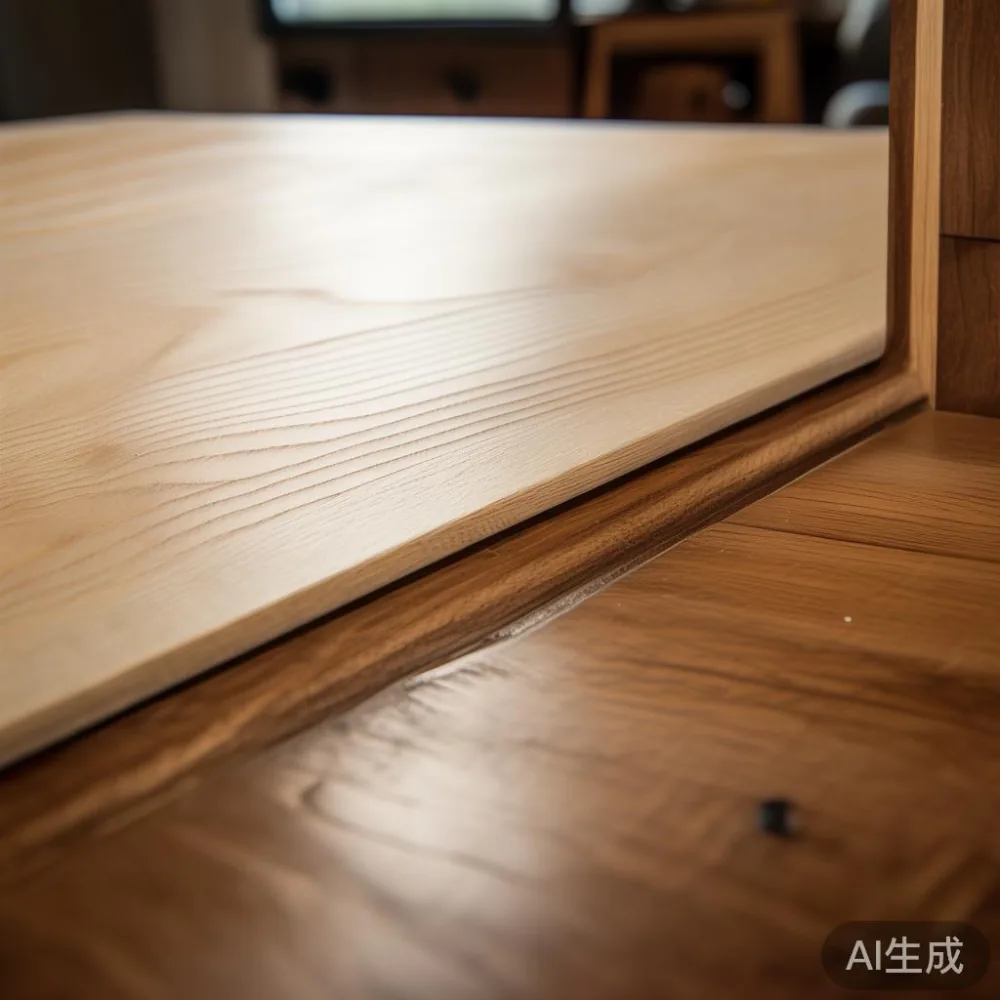
Assembly difficulty matters here because it affects both the quoted price and the real cost of ownership. A 210 cm solid wood bed frame with 6 legs, 14 fixings and 3 drawers may be straightforward for two people in a Tampines HDB flat. A 280 cm wardrobe with 5 doors, 12 drawers and internal lighting is a different installation challenge, especially when the lift is 110 cm wide and the corridor turns twice.
MIDHILL has made solid wood furniture since 2008 and exports to more than 15 countries. Its prices still have to make sense for Singapore buyers, so the useful question is not whether a piece is expensive. It is what each dollar pays for.

Is timber species the biggest factor in solid wood furniture prices?
Yes, but timber species is only one part of the calculation. The species determines the raw material cost, the working time, the available board sizes, the stability of the finished joints and the visual character of the surface. It also influences whether a large bed frame or dining table can be built from long boards or must be joined from shorter sections.
Oak is often priced above rubberwood and pine because European and American oak have different growth cycles, grading rules and import costs. Solid teak can carry another premium because of its density, weather resistance and distinctive grain. Asian hardwood may offer a different balance of strength and price. The label “solid wood” confirms the material category, but it does not reveal the species, grade, moisture treatment or board yield.
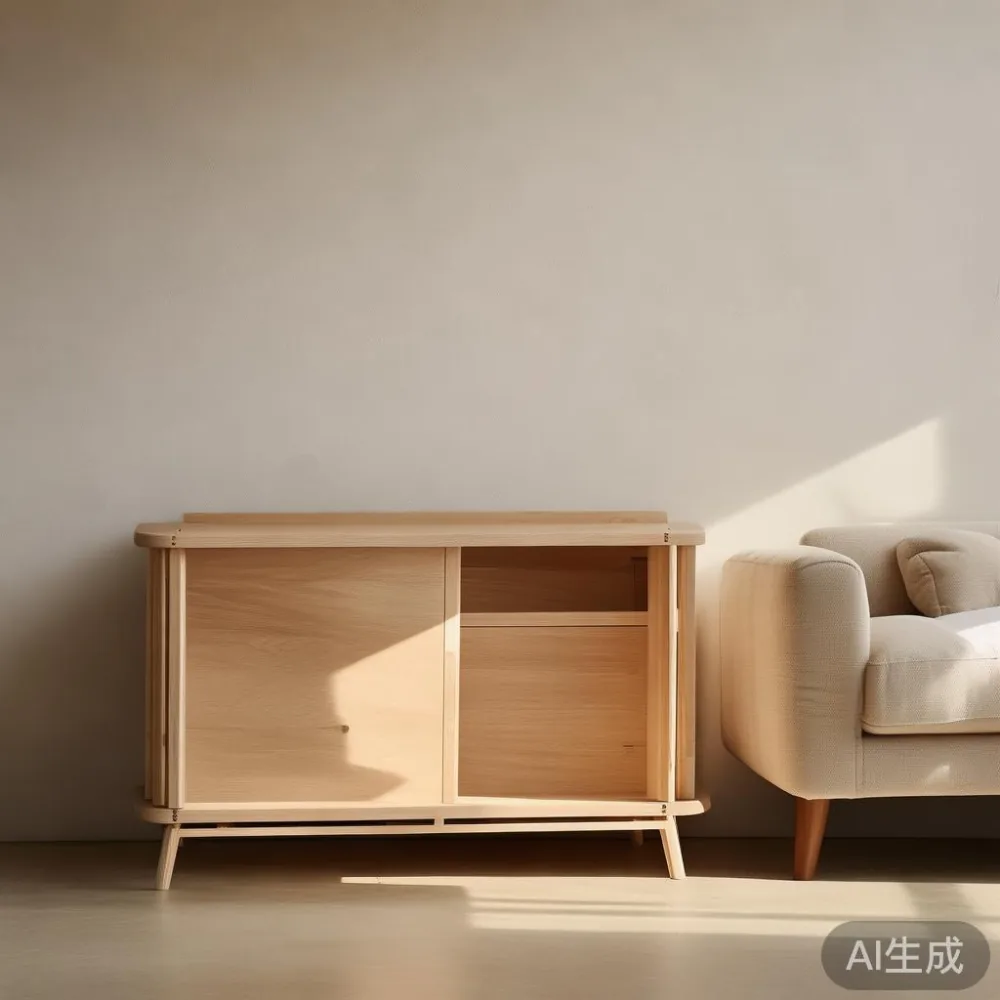
Board yield can change a quotation by 15% to 30%. A dining table with a 220 cm top may require 5 boards of 28 cm width. If the available timber contains knots, sapwood, splits or uneven colour, more boards are needed and more material is discarded. A curved edge also removes more wood than a square edge. Hidden waste is a legitimate cost, but customers should be able to see why it exists.
For a Singapore dining room, a 180 cm by 90 cm table may suit 6 people with 60 cm place settings, while a 200 cm by 100 cm top gives 8 people room for plates and serving dishes. The larger surface needs longer boards and more structural support, so a higher price may reflect usable area rather than decoration alone.
Ask for the species and a photograph of the actual board used for the top. Confirm whether the legs, rails, drawer boxes and back panels are solid wood or engineered wood. Veneer is not automatically inferior, but it should be described accurately. Clear specifications make direct price comparisons more useful.
What does joinery cost compared with visible design details?
Joinery and structural design usually have a stronger effect on price than decorative carving. A solid wood bed frame needs properly sized rails, joints and centre supports to resist sagging. A wardrobe needs uprights that hold its shelves under load, a stable carcass and doors that remain aligned in a humid climate. A nightstand with 2 drawers needs runners that keep both drawers level when opened.
Machine-cut mortise-and-tenon joints, dowels, screws and concealed metal connectors serve different purposes. Dowels improve alignment. Screws allow later disassembly. Metal connectors can support heavier loads. None should be described as “solid wood” because they are not timber, but their grade and quantity affect the total price.
Consider a queen bed frame measuring 160 cm by 200 cm with a slatted base. If the frame is marketed only as “solid wood,” ask how many slats are included, their thickness, the spacing and the centre rail arrangement. A 14-slat system may be adequate for many foam mattresses, while a spring mattress may require a denser support system. Replacing an inadequate support arrangement can add SGD 180 to SGD 450 and another weekend of work.
Assembly difficulty appears in the number of people, tools and steps required, not merely in the word “flat-pack.” A 4-piece nightstand with 8 screws may take 25 minutes. A king bed frame with 32 fasteners, 12 slats and 2 side tables may take 2 hours and 45 minutes. A solid wood wardrobe with 5 doors, mirror panels, 10 drawers and adjustable shelves may take 4 to 6 hours.
Why do solid wood sofas and marble tables sit in different price bands?
A solid wood sofa frame is rarely the whole cost of the sofa. Upholstery, foam, springs, fabric or leather, stitching, cushion filling and the labour required to cover each component can account for 45% to 65% of the retail price. A 220 cm solid wood sofa with 3 seats may therefore cost SGD 3,200 to SGD 6,500, depending heavily on the upholstery package and frame engineering.
Fabric grades are not interchangeable. One supplier’s “premium fabric” may contain 80,000 Martindale rubs, while another may not publish the figure at all. For a sofa used daily in a Bedok condo, abrasion resistance, pilling behaviour and foam density are more informative than a decorative fringe. A full-density foam seat with a 35 kg/m³ core has a different feel and lifespan from a thinner layered alternative.
A marble table introduces stone selection, thickness, cut, edge treatment, weight and support design. A 120 cm round dining table with a 20 mm marble top can weigh 65 kg to 95 kg. That weight affects freight, handling and installation. The table may need 4 people and a lifting frame, while a 160 cm timber bed frame may be moved by 2 people.
This is where the delivery threshold matters. MIDHILL offers free shipping above US$350, equivalent to roughly SGD 460 before GST, but furniture delivery to an HDB lobby is only part of the journey. A marble table still needs to travel from the lobby to the dining area, through a lift and past a corridor corner.
Search listings for for sale Coastal furniture and compare the complete specification, not just the pale finish. A coastal-style solid wood dining table should still disclose whether the top is solid timber, the extension mechanism, the apron construction and the number of moving parts.
How much should finish, hardware and delivery add to a Singapore furniture quote?
A clear finish protects the timber, but multiple layers, hand rubbing and special colours can add materially to the price. Natural oil, matte lacquer, stained oak and smoked walnut are not simply different names for the same process. Some treatments slow down; others increase sheen, texture or production time. The correct question is whether the finish suits Singapore’s humidity and how the supplier handles chipped surfaces later.
Hardware should be specified by function. A wardrobe may use 35 mm full-extension ball-bearing runners, soft-close hinges and adjustable hanging rods. A bed frame may use a reinforced centre rail, dowelled joints and bolts rather than decorative fittings. For a nightstand, good drawer runners and a 6 mm back panel can matter more than a metal handle with a mirror finish.
Singapore’s GST is 9%, and it should appear clearly on a local quotation. Delivery may also involve lift and carrying charges. Older HDB buildings can have a 90 cm wide lift and a staircase landing. Newer estates in Tampines, Punggol or Bedok may have wider lifts, but the turning radius inside can still be limited. Ask the supplier for the packaged dimensions and maximum carton weight rather than assuming a “free delivery” label means free placement in the room.
A typical local delivery window is 7 to 14 days after production, although made-to-order pieces can take longer. Peak renovation periods may add another 7 to 10 days. A 14-day return period can provide protection, but a customised wardrobe or made-to-order marble table may carry different conditions. Confirm those terms before placing a non-refundable deposit.
Which construction features justify a higher price in a solid wood dining table?
A higher dining table price can be justified by a longer top, more timber in the apron, stronger legs and a finish that is easier to maintain. Check whether the top is solid throughout, whether it can expand, and how many people are needed for assembly. A 240 cm table may weigh 70 kg to 105 kg and include 8 to 12 bolts for its legs. An extension model may add another 60 cm and several mechanisms.
Joinery also protects movement. Wood expands and contracts with humidity, so a rigid construction that leaves no sensible movement may eventually show cracks around joints. Good furniture design allows controlled movement while keeping the top connected to the base. For an apartment dining table, this means looking beyond a photogenic underside to the practical bracing arrangement.
One useful way to understand modern timber furniture is through the phrase Modern light luxury with storage. It refers to restrained forms, pale finishes and useful concealed compartments, but a storage feature is not expensive merely because a drawer exists. Its price depends on the drawer’s internal dimensions, runner quality, back construction and how the compartment integrates with the surrounding frame.
Last month I visited a family in Punggol to assess a 220 cm solid wood dining table. The carton measured 228 cm by 98 cm by 31 cm and weighed 86 kg. The lift opening was 120 cm wide, so it fitted, but the inner lobby turn was tight. The two installers used lifting straps, removed the table base, carried the top upright and completed the job in 48 minutes. An unpacking estimate of 90 minutes had allowed for a narrow lift; the actual installation was faster.
In the same week, a colleague unpacked a 180 cm wardrobe carton in a Bedok condo. The carton was 196 cm by 62 cm by 18 cm and weighed 74 kg. It cleared the lift, but 6 packages inside needed sorting before assembly. The completed unit had 4 doors and 6 drawers, and fitting them took 5 hours and 20 minutes. That labour difference is part of assembly difficulty and should be visible in project planning.
How do I compare a solid wood bed frame priced SGD 1,900 with one priced SGD 4,200?
Compare the bed’s usable size, timber species, structural system, surface area, joints, hardware and warranty treatment. A 160 cm queen frame at SGD 1,900 may use simpler solid wood components and conventional connectors. A frame at SGD 4,200 may use a thicker top rail, a stronger centre support system, a more demanding finish and a slat arrangement intended for heavier mattresses. Neither price alone proves the better value.
Weight offers a clue, but not a verdict. A queen bed frame may weigh 45 kg to 75 kg; a king frame with additional rails and matching side tables may weigh 75 kg to 120 kg. Excessively heavy construction is not always better if the joints or hardware are weak.
Online searches for the best Modern light luxury bed for 2026 often emphasize visual trends such as padded headboards and curved profiles. Those details can add cost, but the frame and support system still deserve attention. A solid wood bed frame with a timber headboard, 14 support slats and a 40 mm centre rail has a different performance profile from a frame with 10 decorative slats and no centre support.
Measure the room before ordering. For an HDB bedroom, leave at least 60 cm beside a queen bed for circulation and 90 cm in front of a wardrobe door where possible. A 180 cm king frame may leave only 45 cm beside a bed in a 3.6 m wide room. Confirm that the headboard is 100 cm to 115 cm high if it must sit below a window or wall-mounted feature.
For a customer trying to work out how to style French wardrobe in bedroom, storage layout and door clearance matter as much as colour. A 120 cm French-style wardrobe with 4 doors may require 150 cm of usable frontage once doors are opened. A lighter modern alternative with sliding panels can reduce the space needed, though sliding systems introduce their own track and alignment requirements.
What should I ask before paying for light-luxury furniture?
Ask for 7 measurable details: species, dimensions, packaged dimensions, weight, solid wood coverage, finish type and assembly time. Also request the assembly manual, number of people recommended, included tools and delivery-to-room terms. These figures usually explain more price variation than a catalogue image.
For MIDHILL, the 10-year structural warranty and lifetime refinishing add long-term service value. A customer should still confirm what each promise covers. Structural failure, ordinary surface wear and accidental damage are different issues. The lifetime refinishing policy may require proof of purchase or may apply to specified finishes.
Look at the Italian light luxury sideboard as an example. A 180 cm sideboard may cost SGD 4,800 to SGD 8,500 because it combines a long cabinet carcass, 4 to 6 drawers, adjustable shelves, precision runners and a visually controlled finish. A simpler 120 cm unit may cost SGD 2,400 while offering less storage and a narrower top. The larger price can make sense if the cabinet needs to anchor a dining or living area, but it is not automatically the more sensible choice for a compact flat.
Consumers comparing a best Vintage sofa for 2026 should ask whether “vintage” describes the style or the age of the product. Reproduction furniture uses current construction and materials but period-inspired details. A genuinely vintage sofa may have older joinery and different wear, and its restoration cost can exceed its resale value.
Ultimately, the price of solid wood furniture is driven by measurable inputs: cubic metres and yield of timber, labour hours, component count, hardware specification, finish complexity, packaging and delivery access. Assembly difficulty ties those inputs together. A piece is more expensive when it uses more material, requires finer tolerances, carries more weight or takes longer to assemble. Paying for clear specifications, sound engineering and service support is more useful than paying for a vague luxury label.