Solid Wood Furniture: What Really Determines the Price?
Solid wood furniture is often sold by timber type, but timber is only one part of the price. Board thickness, joinery, finish, hardware, dimensions, delivery access and assembly difficulty all affect the final figure. In Singapore, those practical details matter: an HDB lift in Tampines may accept a 160 cm package more easily than a 210 cm table top, while a Bedok condo corridor may be narrower than the carton measured on the product page.
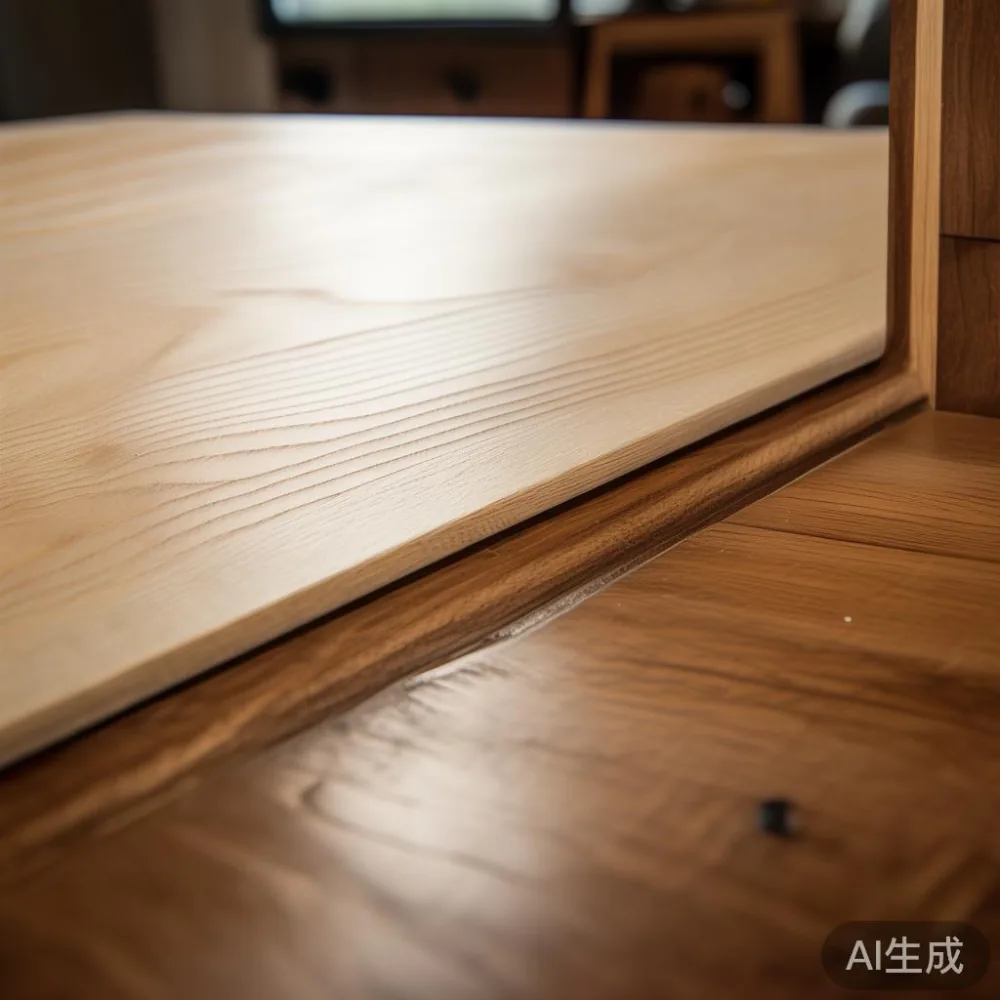
For buyers comparing a solid wood sofa, bed frame, dining table, wardrobe, nightstand or marble table, the sticker price can be misleading. A lower number may include flat-pack construction, a thinner top, particleboard components or customer assembly. A higher number may reflect longer boards, stronger joints, a harder-wearing finish and a delivery crew who carries the item into the room.
MIDHILL was established in 2008 and exports to more than 15 countries. Its structural warranty runs for 10 years, with lifetime refinishing support, 14-day returns and free shipping on orders over US$350. These policies help when comparing prices, yet the clearest way to understand a solid wood furniture quote is to break it into the parts you can physically inspect.

Is solid wood automatically more expensive than engineered wood?
Not automatically. Solid timber has a material cost, but it also carries cutting, drying, grading and preparation costs. An engineered panel can use less solid wood while retaining strength, so its price may be lower for some applications. What changes the comparison is the construction: a 25 mm solid oak dining top does not have the same material profile as an 18 mm laminated or veneered top with MDF edges.
Check whether the visible parts are solid wood and what sits underneath. A solid wood sofa may use timber for the frame and plywood or other suitable panels for selected surfaces. A solid wood bed frame may combine a hardwood structure with a slatted base. A wardrobe can have solid timber fronts while using engineered components within the carcass. These choices are not automatically compromises; they become problematic only when they are described ambiguously.

Ask for the board thickness in millimetres, the wood species and the type of joinery. End-grain joints, mortise-and-tenon joints and dowelled or screwed constructions reveal different labour requirements. Price differences also follow grade: “solid wood” does not distinguish knots, sapwood, short boards or premium selection in every listing.
For Singapore homes, weight can be as important as appearance. A compact 120 cm solid wood dining table might weigh 45 kg, while a 200 cm model could weigh 78 kg. That extra weight should be matched by sound construction rather than cosmetic thickness. More timber is not proof of better engineering, and less timber is not proof of inferior quality.
How much do dimensions and wood species change the price?
Width and length have a direct effect because timber is sold in standard sizes and shorter sections cost more to process. The thickness matters too: moving from 20 mm to 30 mm changes both timber volume and edge finishing. A dining table at 180 × 90 cm may cost more than a 160 × 80 cm version even when both use the same species, because the larger top needs a longer board and a wider support structure.
Species also carry different price bands. Oak, ash, walnut and teak are familiar choices, but each has different availability, density, movement characteristics and finishing requirements. Teak may be valued for stability in humid conditions; walnut for its figure and colour; oak for strength and a defined grain. Fancy matching or bookmatching can add labour, particularly on a marble table with a stone top and timber base.
Here are approximate Singapore retail comparisons for well-finished solid wood products, before GST:
- A 120 cm solid oak nightstand may fall around SGD 480–SGD 780.
- A 160 cm solid oak dining table may be about SGD 1,280–SGD 2,150.
- A queen-size solid wood bed frame may range from SGD 980–SGD 1,880, depending on the design and construction.
- A 180 cm solid wood wardrobe may sit around SGD 1,980–SGD 3,600.
- A 200 cm solid wood dining table may reach SGD 2,200–SGD 4,200 when long boards and detailed edges are used.
These ranges are not quotations. They show why a single “solid wood” label cannot explain the final price. Compare dimensions, thickness, species, finish and support method together.
Why does joinery and assembly difficulty affect the price?
Some of the price funds the workshop process that happens before the item reaches your home. A frame assembled with dowels, mortise-and-tenon joints or tight-fitting hardware requires accuracy. If a joint moves by 2 mm, the visible gap changes; if a dining leg is aligned poorly, the table can rock. Factory-made joints can preserve tolerances better than a loose collection of screws and dowels supplied for home assembly.
That is where assembly difficulty becomes a pricing factor. A bedside nightstand with a fixed carcass and one adjustable shelf may require 15 minutes and a screwdriver. A king-size bed frame may take 2–3 hours, 2 people and 18 tools or fasteners. A wardrobe with hinged doors, internal drawers, adjustable hanging rails and a plinth can take 4–6 hours. The manufacturing decisions influence the number of parts, alignment steps and instructions included.
Last month, I visited a Singapore showroom and watched a 180 cm dining table arrive in 4 cartons. The top was one 25 cm-thick solid timber section, and the legs had fitted dowels with locking hardware. My colleague and I moved it from the loading area with 2 furniture straps and completed assembly in 42 minutes using a hex key and an 8 mm spanner. We tightened the joints after 24 hours because timber can settle slightly as it acclimatises.
By comparison, a flat-packed alternative had 17 panels, bagged screws and dowels. We spent 2 hours 35 minutes on it, partly because two cam fittings needed to be re-seated. The flat-packed route may cost less, but labour, tools and the risk of misalignment enter the equation. Assembly difficulty is therefore not a separate “hidden fee”; it is often the labour content of the product itself.
What should I compare when checking a solid wood furniture quote?
Compare products with matching dimensions and specification. Check the top or panel thickness, timber species, dimensions and unloaded weight. A 200 × 90 cm table weighing 76 kg will behave differently from one of the same size weighing 42 kg. The difference may indicate a different timber density, a thinner top, a simpler base or added components; it does not reveal which is better without seeing the construction.
Look for clear photographs of the underside, corner joints, drawer boxes and doors. A solid wood sofa should have a frame with load-bearing supports, not simply decorative timber around a lighter structure. A bed frame should show the centre rail, slat spacing and connection points. A dining table should reveal the apron, leg-to-top joint and support system. A wardrobe should show the back panel, shelf supports, door hinges and drawer runners.
Finish is another cost driver. A natural oil or matte lacquer may need fewer coats but careful preparation. A high-gloss, heavily filled or textured finish may involve sanding, filling, sealing and several lacquer coats. Pigmented finishes may also require additional preparation. Test the sheen under daylight, since Singapore’s bright HDB living rooms can make subtle colour differences more visible.
Design effort counts as well. A French light luxury dining table with carved details, tapered legs and a shaped apron requires more templates, sanding and inspection than a restrained post-modern light luxury table with straight profiles. A marble table adds stone selection, cutting, edge treatment, weight and support engineering; the timber base must carry a top that may weigh 95 kg. The base’s material and bracing should be specified, not implied from the photograph.
Which Japanese sofa vs Japandi sofa should I choose for a Singapore home?
The distinction is less about build quality than visual language. A Japanese sofa vs Japandi sofa comparison often begins with form: Japanese seating tends towards compact proportions, simple lines and a calmer impression, while Japandi combines Japanese restraint with Scandinavian warmth. The price can rise through wider arms, deeper craftsmanship, down-wrapped cushions, coordinated timber details or a more labour-intensive frame.
Measure the route into the home before selecting dimensions. Many HDB lift doors are around 90 cm wide, and common lift cars measure roughly 140 × 110 cm. Corridors may narrow at turns to about 100 cm. These figures vary by block, so check the actual landing and lift dimensions rather than relying on a block average.
A sofa packed at 168 × 86 × 78 cm may not fit into a smaller service lift even if the sofa’s listed width is only 155 cm. For a Punggol or Tampines home, request the packed dimensions and delivery method. Padded arms and removable legs can reduce packaging, while a fully assembled timber frame may require two movers and a stair carry if the lift limit is exceeded.
Buyers also ask about European bed vs Italian light luxury bed options. A European bed may use a simpler platform frame and modular elements; an Italian light luxury bed may feature upholstered panels, shaped profiles, layered padding and more decorative coordination. The second route generally involves more materials and finishing, but the design intent matters more than the country label. Ask for the internal frame, slat spacing, centre support and total assembled dimensions.
For under 2000 Coastal furniture in a condo bedroom, a queen bed frame can fit a restrained coastal scheme through pale timber, woven textiles and curved details. Keep the actual budget under SGD 2,000, allow for GST and delivery, and confirm mattress clearance. Similarly, if you are working out how to style Japandi bed in room, choose low-profile timber, cotton or linen bedding, one low nightstand and limited accessories; the bed should remain the visual anchor rather than compete with decorative furniture.
How much should delivery, GST and assembly add to the Singapore price?
GST adds 9% to most Singapore retail purchases. A dining table at SGD 1,600 becomes SGD 1,744 before delivery or other charges. That is why an “under SGD 2,000” comparison should be made on the final amount, not the pre-GST figure.
Delivery pricing depends on the destination, access and physical work required. A curbside drop in Tampines may cost less than a Bedok condo delivery involving parking, a lift booking and room placement. A lift surcharge may apply if the item is over 70 kg or exceeds the car’s capacity. Stair carries can add labour, while a full room-of-choice service includes carrying, unpacking, assembly and packaging removal.
Clarify whether delivery takes 3–5 days, 5–8 days or is arranged after production. Ask for the dispatch window and the expected transit time separately. Remote areas or peak periods may extend delivery, and made-to-order furniture can take 6–10 weeks even when the shipping leg is only 4 days.
Assembly may be quoted per item or included for larger orders. A nightstand can add SGD 25–SGD 45 if it requires careful alignment, while a bed frame may add SGD 80–SGD 160. A wardrobe can add SGD 120–SGD 260 because door and drawer adjustment takes time. If a product can be assembled by the customer, the seller should provide an understandable manual, all required tools and clear spare-part support.
MIDHILL’s free shipping threshold is stated in US$350, so confirm the Singapore-dollar equivalent and whether GST, lift delivery and assembly are included. The 14-day return period is another useful comparison point, although custom dimensions, altered finishes or certain made-to-order pieces may carry different conditions. Read the specific terms before ordering.
Is a higher-priced solid wood table worth the extra money?
Sometimes, but only when the higher price buys a measurable specification. Compare the thickness, board width, timber grade, joint system, finish layers, underside, load capacity and warranty. If two dining tables use 25 mm oak, similar joinery and the same finish, a large price gap should be explained through design, brand service or economies of scale rather than an assumption that one must be superior.
The American for dining room style is relevant because large timber tables are often commissioned for open-plan American-inspired rooms. The style may call for a 200–240 cm top, a substantial base and visible grain. That increases timber use, packaging and delivery difficulty. A French light luxury approach may use a smaller top, shaped edges and ornate legs, shifting the cost from raw material to shaping and finishing.
For a nightstand, spend attention on drawer travel, the width of the opening and stability at 42 cm high. For a bed frame, inspect centre-rail support and slat spacing; a 10–12 cm gap is common, while wider spacing can affect mattress feel. For a wardrobe, check hanging depth, shelf load and hinge adjustment. For a solid wood sofa, sit on it, open and close the storage, and inspect how the cushions return after use.
Finally, consider what happens after delivery. A 10-year structural warranty suggests confidence in the main frame, but check whether the finish, drawer runners, cushions and movable fittings are treated differently. Lifetime refinishing is valuable, yet the scope may depend on wear, damage and service terms. A lower price with clear coverage can be more economical than a higher quote with exclusions that are difficult to interpret.
The most useful buying question is: “What exactly is included in this price?” Obtain packed dimensions, weight, material thickness, joint details, finish, assembly time, delivery scope and GST-inclusive total. Those 7 answers reveal more than a timber name alone and make assembly difficulty visible before the furniture reaches your living room.