What Actually Drives the Price of Solid Wood Furniture
When browsing for a new dining table or wardrobe in Singapore, the price tags can vary dramatically. A solid wood dining table might cost SGD 2,000, while another, seemingly similar one, could be SGD 5,000. What creates this gap? Many people assume it's just the brand name or a simple markup. The reality is far more nuanced, rooted in the very nature of the material, the hands that shape it, and the logistical puzzle of getting it into your HDB flat or condo. For those living in spaces like Tampines or Punggol, where lift dimensions and corridor widths are a practical reality, understanding these factors is key to making an informed purchase.
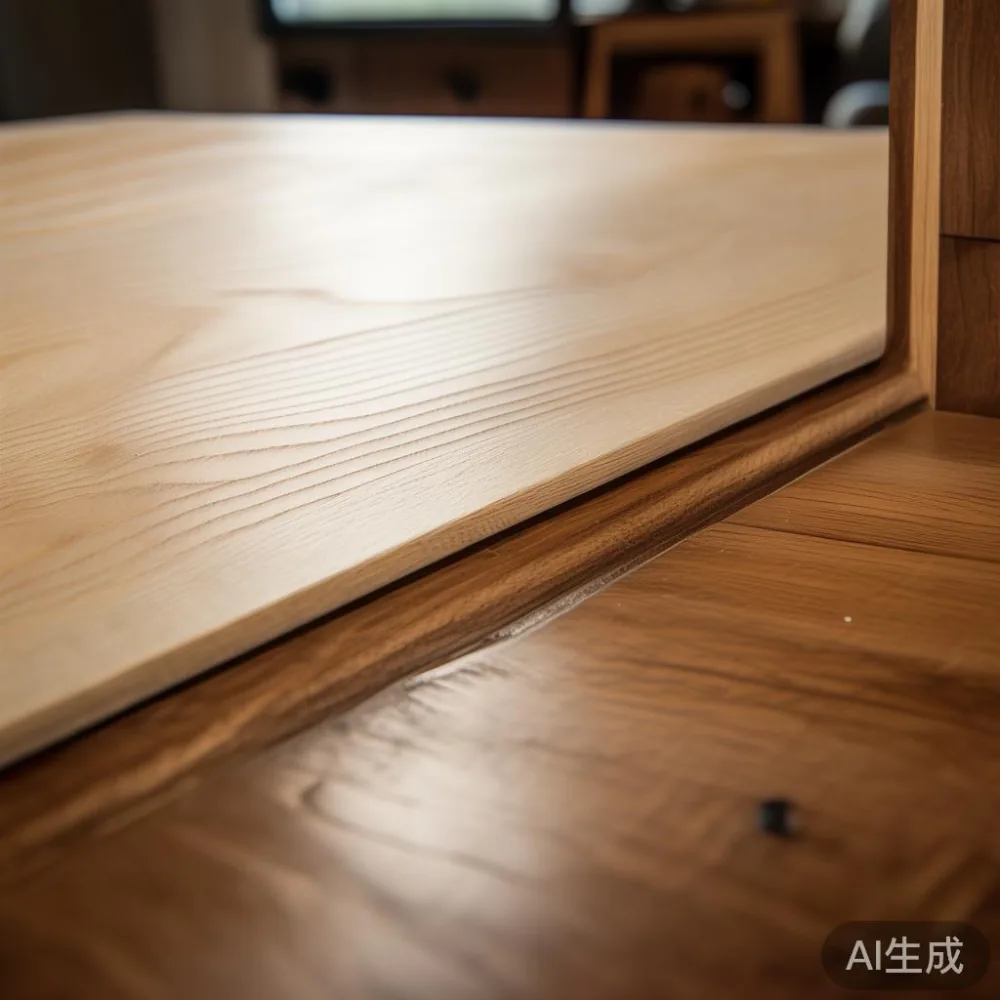
Why Not All "Solid Wood" is Created Equal?
The term "solid wood" is broad and can be misleading. It doesn't automatically mean high quality. The first major price driver is the type of wood itself. Hardwoods, like oak, walnut, and maple, are denser and more durable than softwoods like pine or fir. An oak dining table will naturally command a higher price than a pine one. The origin of the wood also plays a significant role. European walnut, for instance, is often considered more desirable and expensive than North American walnut due to its grain patterns and colour stability.
Then there's the concept of "solid wood construction" versus "wood veneers." A piece made entirely of solid wood, from the tabletop to the drawer sides, uses a significant amount of premium material. In contrast, a piece with a solid wood veneer over a cheaper engineered wood core (like MDF or particleboard) uses far less of the expensive wood. This is a primary reason for the price difference. You are paying for the integrity and longevity of the entire piece, not just its visible surface.
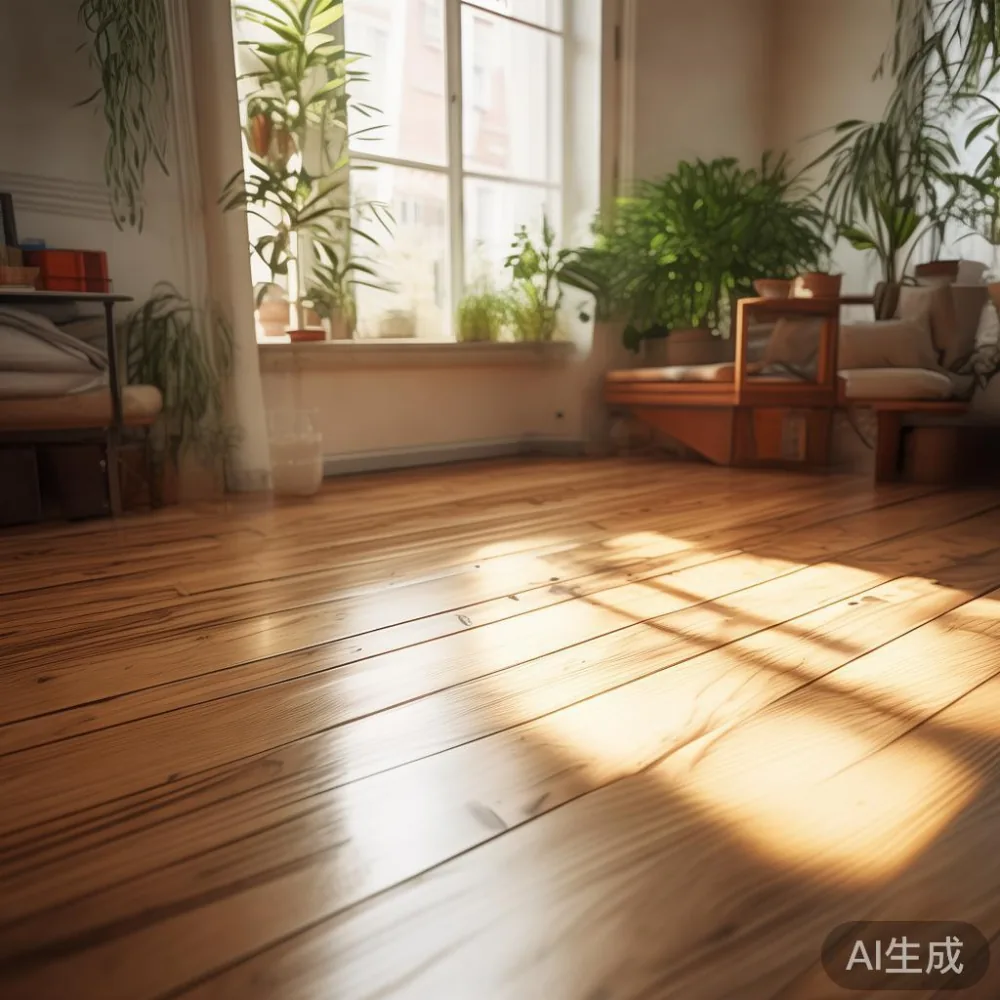
Last month, I visited a workshop in Foshan to see this firsthand. My colleague pointed to two nearly identical-looking bed frames. One was constructed from solid American white oak, with every joint cut and fitted by hand. The other had a beautiful oak veneer on a plywood frame. The price difference was SGD 1,800. The workshop foreman explained that the solid oak frame required 40kg of premium lumber, while the veneered version used only 8kg of oak and 32kg of plywood. The material cost alone accounted for most of the price gap.
The Unseen Hands: Craftsmanship and Joinery
If wood is the body of the furniture, craftsmanship is its soul. This is where the human element, and skill, directly impacts the price. The quality of joinery is a tell-tale sign of a well-made piece. Cheap furniture often relies on staples, nails, and basic screws. High-quality furniture, however, uses traditional joinery techniques like dovetail, mortise and tenon, and dowel joints.
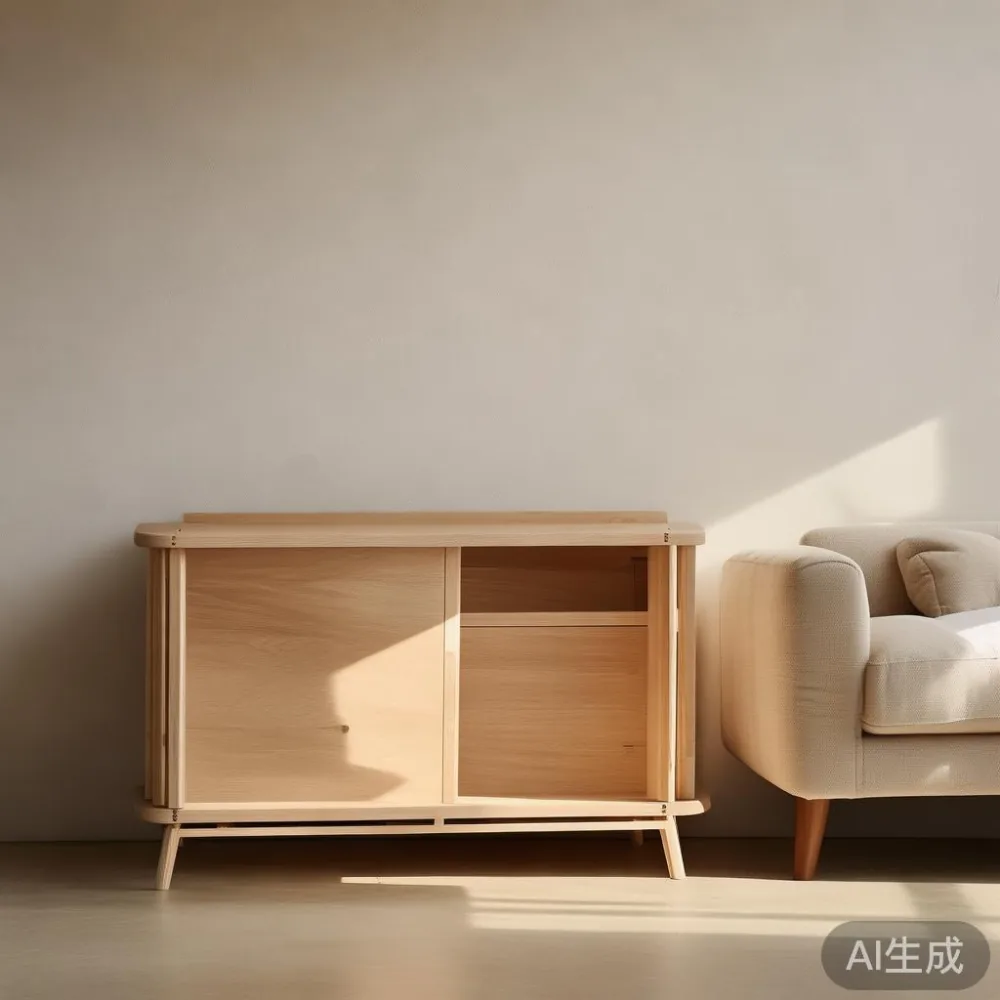
A dovetail joint on a drawer front, for example, is not just decorative. It's an incredibly strong interlocking design that prevents the drawer from pulling apart over time. Cutting these joints by hand requires a high level of skill and time. A machine can do it faster, but a master craftsman ensures a perfect fit every time. This attention to detail extends to the finishing process. A hand-rubbed oil finish that brings out the wood's natural grain takes days to apply and cure, whereas a spray-painted finish can be done in hours.
Consider a solid wood wardrobe. A well-made wardrobe will have dovetail joints on all its drawers, full-extension drawer slides that glide smoothly, and doors that are perfectly balanced and close with a soft click. A cheaper wardrobe might have butt-jointed drawers, sticky metal slides, and doors that slam shut. The difference in assembly difficulty is night and day. The first is assembled with precision and care, the second is assembled quickly and cheaply. The price you pay reflects the hours of skilled labour required to create a piece that functions beautifully for decades.
Design and the Light Luxury Aesthetic
Design is another significant factor. A simple, functional design will cost less than a complex, ornate one. This is especially true in the area of light luxury, where design is paramount. The French provincial style, for example, is characterised by intricate carvings, curved legs, and a sense of opulent elegance. A MIDHILL French provincial sofa with hand-carved details on the armrests and a button-tufted back will be priced higher than a sofa with clean, straight lines and no embellishments.
Similarly, the choice of materials in a design affects the price. A dining table with a solid wood top and marble inlays will be more expensive than one made entirely of wood. The marble adds cost not just for the material itself, but for the precise cutting and fitting required to integrate it with the wood. Post-modern light luxury design often plays with mixing materials like brushed brass accents with dark oak, creating a sophisticated look that requires careful planning and execution.
p>When comparing styles, the price difference often comes down to the design philosophy. A European light luxury bed vs Japandi bed highlights this contrast. The European bed might feature a tall, upholstered headboard with intricate stitching, while the Japandi bed is minimalist, low-profile, and focuses on the natural beauty of the wood with a simple, matte finish. The European design requires more fabric, more complex upholstery work, and a more substantial frame, all of which contribute to a higher price point.
What is the Real Cost of Assembly Difficulty and Logistics?
This is a critical question for anyone living in a Singaporean apartment. The price of furniture isn't just for the item itself; it's also for the complex process of getting it from a factory in Foshan to your living room in Bedok and ensuring it fits. This is where assembly difficulty and logistics become a major price driver.
Large items like a wardrobe or a dining table must be disassembled for shipping. A high-quality piece will be engineered for easy, logical reassembly. It will come with clear instructions, all necessary hardware, and pre-drilled holes that align perfectly. This reduces assembly difficulty for the customer and minimises the risk of damage. A poorly designed piece might have vague instructions, mismatched parts, and require significant force to assemble, increasing the risk of scratching or breaking the wood.
The logistics within Singapore are a significant cost factor. A standard wardrobe from a local brand might come in 3-4 flat-packed boxes. A luxury Italian light luxury wardrobe for apartment use might arrive in 8-10 boxes due to its more complex construction and larger panels. Delivery companies charge based on volume and weight. A delivery for a SGD 4,000 wardrobe might cost SGD 150, while a delivery for a SGD 8,000 wardrobe could cost SGD 300 or more. Then there's the matter of working through your HDB or condo. Lifts in older estates might be narrower, and corridors in Punggol's new developments can be tight. A professional delivery service will factor in the time and effort required to manoeuvre a large, heavy item up several flights of stairs or around tight corners. This service is included in the price and is a reflection of the real-world challenges of furniture delivery.
Long-Term Value: Warranty, Refinishing, and Peace of Mind
The initial price tag is only one part of the story. A higher-priced piece of solid wood furniture often comes with a commitment to long-term value that cheaper items simply cannot match. This is a key differentiator for established brands.
Consider a warranty. A 10-year structural warranty is a substantial promise. It means the manufacturer stands behind the integrity of the frame, the joints, and the construction. If a drawer joint fails or a leg cracks within a decade, they will repair or replace it. This level of assurance is built into the price. A cheaper piece might come with a 1-year warranty, covering only manufacturing defects, which often excludes the very parts that are most likely to fail with regular use.
Another factor is the ability to refinish the furniture. Solid wood, especially hardwoods like oak and walnut, can be sanded down and refinished multiple times over its lifetime. This allows you to change the colour or refresh the finish as your decor evolves. A veneered piece cannot be sanded down without destroying the thin layer of wood on top. The promise of a lifetime refinishing service, offered by some makers, adds significant long-term value. It means your SGD 5,000 dining table could look as good in 20 years as it does on day one, something a SGD 2,000 table could never guarantee.
Finally, there's the peace of mind. When you invest in a well-made piece of furniture, you are investing in a home. You are buying something that will not need to be replaced in 5 years. For a young family in a Tampines HDB, a durable, non-toxic solid wood dining table is a wise investment that will withstand years of use. The higher initial cost is offset by the longevity and the avoidance of repeated replacement expenses. This long-term perspective is often the true measure of value.
Putting It All Together: A Case Study
Let's put these factors into perspective with a concrete example. Imagine you are looking for a new wardrobe for your master bedroom in a condo.
Option A: A Standard Wardrobe
Price: SGD 1,800
Material: Particleboard with a thin oak veneer.
Construction: Butt-jointed drawers, metal drawer slides, doors on simple hinges.
Design: Clean, minimalist lines.
Assembly: Comes in 3 flat-packed boxes. Instructions are basic, requiring some guesswork.
Warranty: 1-year limited warranty.
Logistics: Standard delivery. The delivery team will leave the boxes at your door.
Option B: The best European light luxury wardrobe for 2026
Price: SGD 4,500
Material: 100% solid European oak, with a hand-rubbed oil finish.
Construction: Dovetail joints on all drawers, full-extension soft-close drawer slides, doors with integrated dampeners.
Design: Features elegant, recessed panel doors and brushed brass handles.
Assembly: Comes in 7 flat-packed boxes. Parts are clearly labelled, and instructions are detailed with diagrams. The assembly difficulty is low for someone with basic DIY skills.
Warranty: 10-year structural warranty, lifetime refinishing service included.
Logistics: Premium white-glove delivery. The team will bring the boxes into your bedroom, assemble the wardrobe on-site, and remove all packaging.
The price difference of SGD 2,700 is not arbitrary. It is the sum of the cost of 100kg of solid oak versus 50kg of particleboard, the hours of skilled labour for dovetail joints versus simple butt joints, the premium materials for soft-close hardware versus basic metal slides, and the value of a 10-year warranty versus a 1-year one. For the resident of a Bedok condo, the white-glove service is a significant convenience, saving them the hassle and risk of assembling a large, heavy wardrobe themselves.