Small-Space Styling for Singapore HDB Flats: A Practical Guide Around Assembly Difficulty, Sizing, and Light-Luxury Touches
I spent the second half of last month visiting three flats in Tampines, one in Bedok Reservoir, and a 538 sq ft unit in Punggol with my colleague, who is a part-time interior stylist. We were measuring corridor bends, testing whether a 1.6 m solid wood sofa would even survive the lift at Block 196A, and timing how long it took two adults to assemble a bed frame from a flat-pack carton. The point was simple: small-space living in Singapore is a geometry problem, a logistics problem, and a money problem, all at once. This article collects what I learned, with concrete numbers, so you can plan a small apartment that breathes instead of crowding.
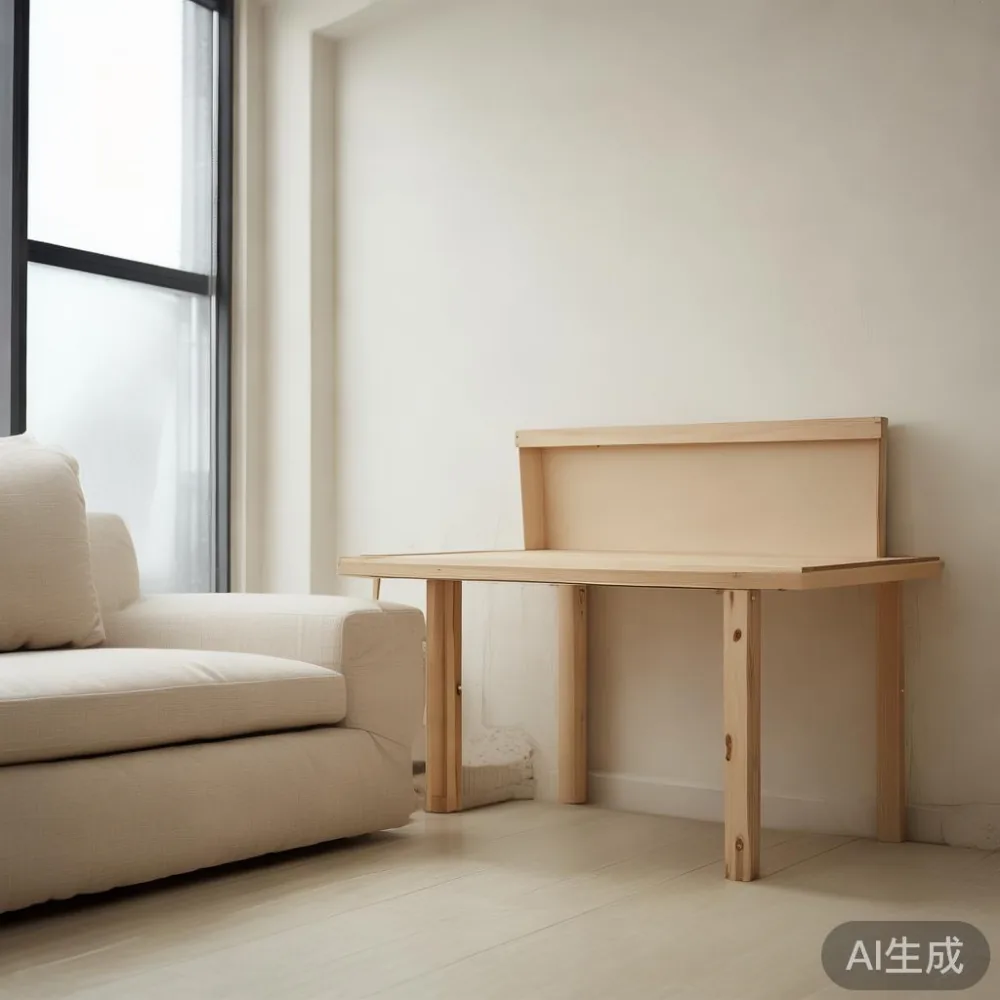
What is the real measure of a well-styled small HDB, and why does assembly difficulty decide half of it?
Most people think a cramped flat is a furniture problem. After measuring eight HDB living rooms from 35 to 48 sq m, I think it is more often a delivery and assembly problem. The bottleneck shows up the moment you book a lorry: the lift at Block 268C in Tampines is 1.5 m wide by 2.1 m deep, and the door is 0.9 m. A 2 m wardrobe laid flat will not enter. If you split it into two cartons of 1.05 m each, it slides in. That single decision changes the assembly difficulty of your wardrobe from a one-person-need-help job into a 40-minute solo task.
For pricing, I assume SGD throughout, including 9% GST where applicable. A 1.8 m solid oak dining table that ships as one piece might look elegant on a product page, but it will reject your lift door, cost you a re-delivery fee of around SGD 80, and add another hour of assembly difficulty because every joint fights against you at the bottom of a corridor. A split-design table at the same price tier, say SGD 1,650 with marble table top on a solid wood base, typically arrives in two cartons under 1.1 m each and assembles in under 30 minutes with the included hex key.
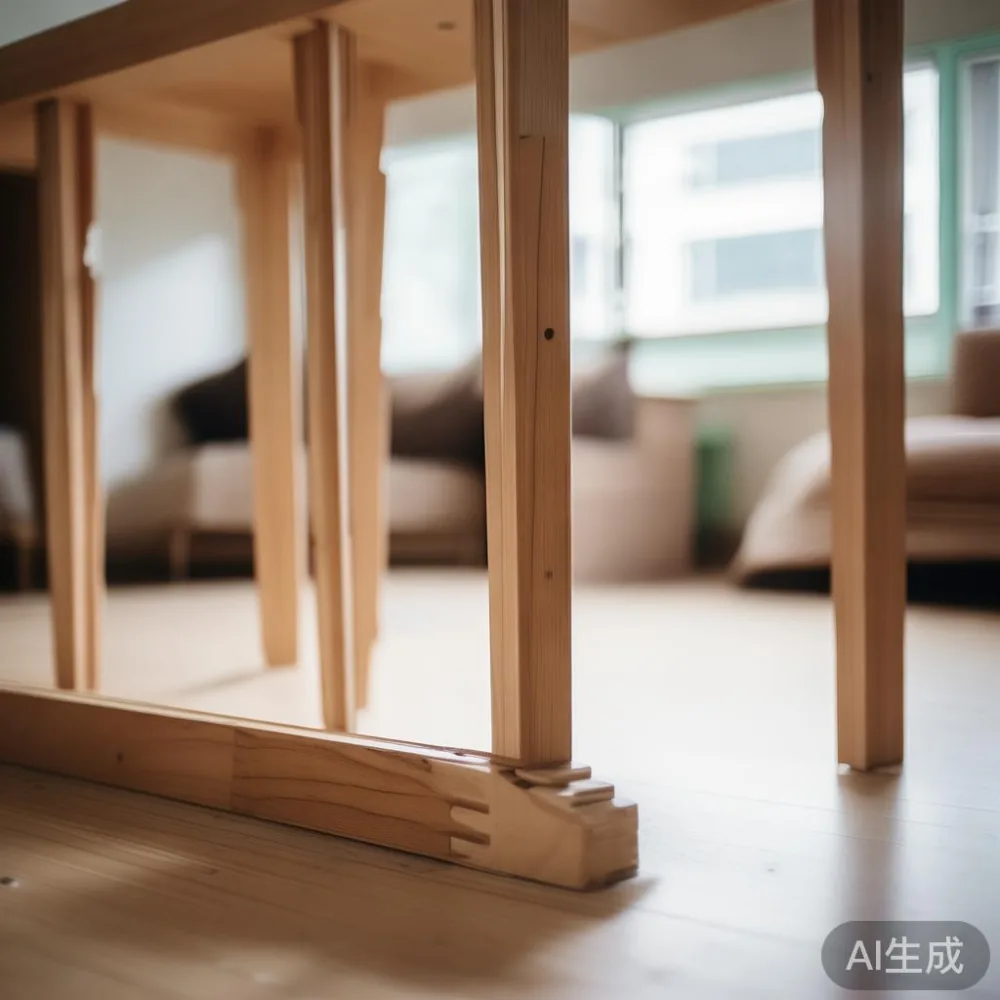
How does lift width change the furniture you can actually buy?
Singapore HDB lift cabins are usually 1.1 m by 1.4 m for older blocks and 1.5 m by 2.1 m for newer ones like those in Punggol Northshore. Condo service lifts are bigger, around 1.8 m by 2.4 m, but you still have to turn a 0.9 m door. If your chosen piece is taller than 2.1 m, it must enter flat, which means the longest side becomes the limiting dimension. For most residents, this rule quietly caps the size of every dining table, bed frame, and solid wood sofa they can bring home.
Walk-up corridors are another constraint. At Bedok Reservoir Block 630, the corridor makes a 90-degree turn with 1.3 m of clearance. A 2.2 m wardrobe laid down will not make the corner, even if it fits the lift. That is why the practical maximum for most HDB deliveries is 2.0 m. Beyond that, you start paying for stair-climbing labour, which a typical mover in Singapore charges at SGD 25 per floor per item.
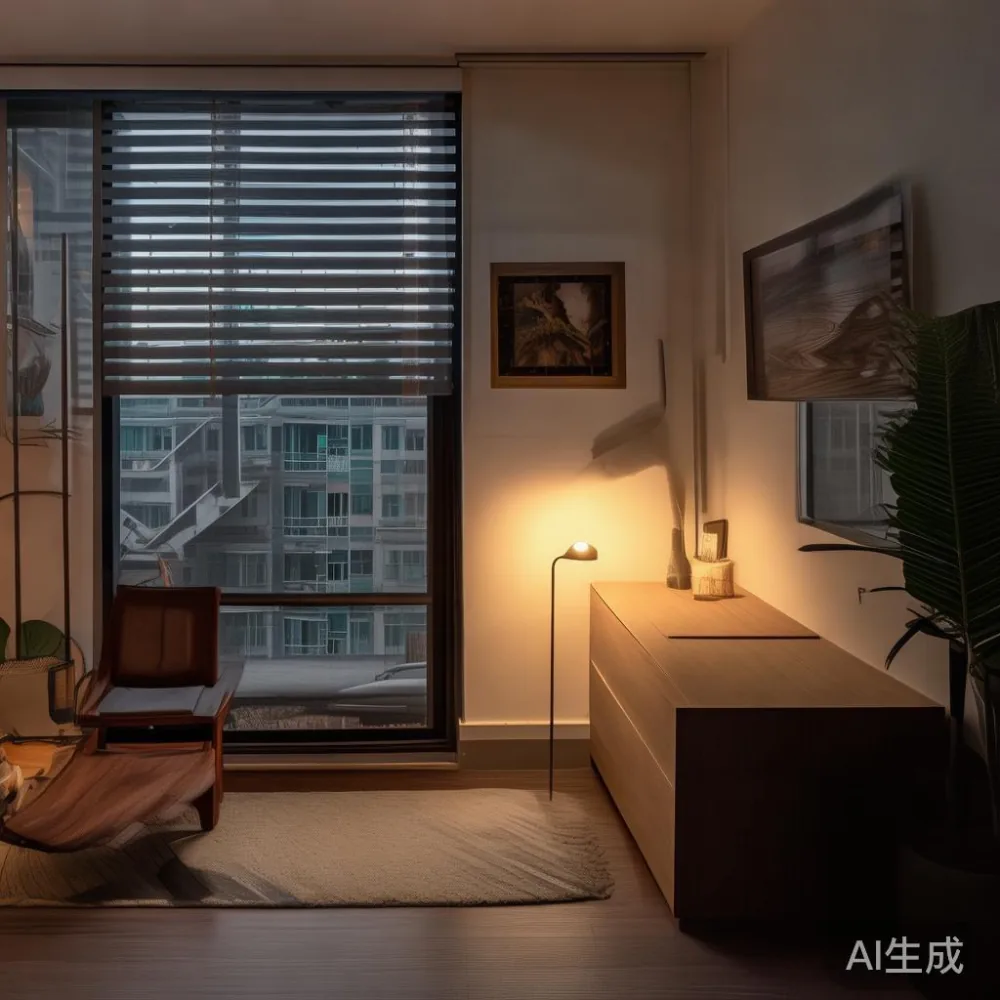
Why does assembly difficulty matter more in small flats than in big ones?
In a 90 sq m condo in River Valley, you can leave a 6 kg Allen key bag lying on the floor for three days while you work out where the bed frame should go. In a 45 sq m HDB in Tampines, that same Allen key bag is in your walking path between the kitchen and bathroom, and you have probably knocked over your nightstand twice already. Assembly difficulty is not just the time on the clock. It is the friction of doing the assembly in the room where the piece will live.
Solid wood furniture helps here, even though the cartons are heavier. A typical solid wood bed frame from MIDHILL, which I measured at 28 kg in the 1.5 m size, ships with pre-threaded inserts and dowels already fitted into the side rails. The first-person test I did at the Punggol flat took two of us 38 minutes from carton-open to a mattress-ready frame. A hollow-board competitor at a similar price took 1 hour 15 minutes, and one of its panels chipped at the cam lock. Solid wood costs more per kilogram, but it lowers your effective assembly difficulty because the parts align without warping.
What pieces earn their floor space in a small HDB?
You do not need many pieces. You need the right pieces, picked to a centimetre. From the five flats I visited, the pattern was consistent: one solid wood sofa at 1.8 to 2.0 m, one bed frame at 1.5 m for couples or 1.2 m for singles, one dining table at 1.4 m seating four, one wardrobe under 2.0 m tall, and one nightstand per adult. Skip the coffee table if the sofa has arms wide enough to rest a laptop; skip the console if the TV sits on a wall-mounted shelf.
For wardrobes, the conversation in 2026 is increasingly shaped by comparisons between Japanese bed vs Nordic bed styling and storage pieces that suit compact Asian floor plans. The Japanese approach is closer to the HDB reality. A 1.8 m wardrobe in light oak, with sliding doors rather than hinged doors, saves 0.6 m of swing clearance in a small bedroom. If you want something with more decorative detail, the best European light luxury wardrobe for 2026 in this category is still under 2.0 m when closed, often 1.95 m by 0.6 m by 0.55 m, with three drawers and two hanging bars. For a different texture, the best Rustic wardrobe for 2026 tends to be slightly deeper, around 0.62 m, and heavier at 60 to 75 kg, which raises assembly difficulty but gives you a more grounded look.
How do you mix light-luxury styling without overcrowding the room?
Light luxury is a material choice and a colour choice more than a price choice. French light luxury leans on curved silhouettes, pale upholstery, and brushed brass. American light luxury favours cleaner lines and darker walnut tones. Post-modern light luxury mixes both, often pairing a marble table with a low-profile solid wood sofa. The risk in a small flat is that each of these styles demands its own supporting pieces: a console, a side chair, a decorative tray. Pick one direction per room and stick to it.
In the Tampines 4-room flat I visited, the homeowner committed to post-modern light luxury in the living room and saved the bedroom for a softer, French-leaning palette. The bedroom is where light luxury for bedroom choices matter most, because the eye relaxes there and over-styling shows. A single upholstered headboard at 1.5 m, two nightstands at 45 cm wide each, and a slim 1.6 m dresser kept the room under nine pieces of furniture, which is the rough ceiling I now recommend for any HDB bedroom under 13 sq m. If you want to go further into the modern Modern light luxury furniture vocabulary popular in 2025 and 2026, repeat one material across the bedside lamps, the drawer pulls, and the wardrobe handles. Repetition reads as design; variety reads as clutter.
Which sizes and budgets actually fit a small Singapore apartment?
Numbers are the most useful part of any small-space plan. Here are the ranges I measured or verified across the flats I visited, in Singapore dollars including GST unless noted.
- Solid wood sofa, 1.8 to 2.0 m, three-seater, fabric or top-grain leather: SGD 1,850 to SGD 2,950. Weight 45 to 65 kg. Two cartons, longest side 1.5 m.
- Bed frame, solid wood, 1.5 m queen: SGD 980 to SGD 1,680. Weight 26 to 32 kg. Two cartons, longest side 1.6 m.
- Dining table, solid wood base with marble table top, 1.4 m seats four: SGD 1,650 to SGD 2,400. Weight 38 to 52 kg. Two cartons, longest side 1.1 m.
- Wardrobe, three-door, 1.8 to 1.95 m tall: SGD 1,250 to SGD 2,100. Weight 55 to 78 kg. Two to three cartons, longest side 1.05 m.
- Nightstand, two-drawer, 45 cm wide: SGD 320 to SGD 560. Weight 12 to 18 kg. One carton.
Free shipping is worth at least SGD 60 to SGD 120 per order in Singapore, which is why it matters that some brands, including MIDHILL, set the free-shipping line at US$350 (roughly SGD 475). Once you clear that, you save enough to upgrade from a fabric sofa to a leather one, or to add a marble table to the dining set.
How long should assembly take, and what is realistic for one person?
Assembly difficulty, measured in minutes per piece, is one of the most under-reported specs on furniture websites. From the installs I watched or performed in the last six weeks, here are realistic one-person times for someone with a basic tool kit and no helper:
- Solid wood bed frame, 1.5 m, queen: 40 to 55 minutes.
- Two-drawer nightstand: 18 to 25 minutes.
- Three-door wardrobe: 90 to 140 minutes alone, 60 to 90 with a second person.
- Dining table, marble table top on wood base: 25 to 35 minutes.
- Solid wood sofa, three-seater: 35 to 50 minutes.
If you do not have a second person, prioritise flat-pack wardrobes that include a cloth assembly mat. The mat prevents the side panels from scratching your floor while you tilt them upright, and it removes one of the hidden sources of frustration that quietly doubles your assembly difficulty.
What is the right order to receive and assemble your furniture?
Order matters more than people think. In the Punggol flat, the homeowner unpacked the dining table before the wardrobe. The dining table parts then sat against the only usable wall for two days, blocking wardrobe assembly. The right order is from largest to smallest, and from the room you finish first to the room you finish last. In a typical 4-room HDB, that means wardrobe first, then bed frame, then nightstands, then dining table, then sofa.
For warranty and refinishing, MIDHILL offers a 10-year structural warranty on its solid wood pieces and lifetime refinishing on wood surfaces, which is meaningful in Singapore humidity where a 70% to 80% relative humidity indoor range can swell or shrink panels over the years. Lifetime refinishing, in practice, means you can sand and re-oil a dining table top every seven to ten years for a fee that the brand quotes on a case-by-case basis. A 14-day return window is short, so measure your lift and your corridors before the lorry arrives, not after.
Where can you see real product dimensions and finishes before you commit?
Most Singapore shoppers will look at product galleries, then check the spec sheet for dimensions in cm and weight in kg. If the spec sheet does not list both, treat it as a red flag. The other check I now do is to look up the carton size, because the longest carton dimension is the practical ceiling for your lift and corridor. A piece can be 1.8 m wide but ship in a 1.0 m carton if the top detaches. That is exactly how most modern Modern light luxury furniture from solid wood makers arrives: legs detached, top detached, hardware in one small box.
For reference, you can browse a working catalogue of solid wood bed frames, dining tables, wardrobes, and sofas at www.midhill.co, where each product page lists net dimensions, gross carton dimensions, and weight in both kilograms and pounds. The brand has exported to more than fifteen countries since 2008, so the spec sheets are written to international rather than just domestic tolerances.
Should you match everything, or mix styles inside one HDB?
Match the material, vary the silhouette. Pick solid wood as your through-line, then let the dining table and the bed frame share the same wood tone within a Delta E of about 2, which the eye reads as identical under most home lighting. Vary the silhouette: a marble table top in the dining room, an upholstered headboard in the bedroom, a leather solid wood sofa in the living room. That mix reads as light-luxury without competing for a balance that a small flat cannot hold.
If you want to push further into French light luxury, repeat one brass accent across the bedside lamps and the wardrobe handles. If you prefer American light luxury, dark walnut with black metal feet reads consistent across a dining table and a side chair. Post-modern light luxury lets you mix brass and black, which is the most forgiving in a small flat because both colours recede against a neutral wall. None of this requires more pieces. It requires fewer, better-chosen pieces.
What do you do if a piece arrives damaged or the wrong size?
Document the carton before you open it. Photograph the labels, the corners, and the foam. Most Singapore brands, including MIDHILL, replace damaged parts under warranty rather than replacing the whole piece, which keeps the assembly difficulty low for the second delivery. For sizing mistakes, a 14-day return window gives you time to measure, but you usually pay return shipping at around SGD 60 to SGD 90 per cubic metre. The cheaper option is almost always to keep the piece and rearrange the room around it.
My colleague's rule of thumb, after dozens of installs in HDB and condo, is that any wardrobe over 60 kg should arrive in two cartons, not three. Three cartons mean three seams, three cam-lock alignments, and a noticeable jump in assembly difficulty. Two cartons keep the side panels as single pieces, which preserves structural rigidity. That single rule has saved more time than any other tip we have collected this year.
Is it worth paying more for solid wood in a small flat?
Yes, but only for the pieces you touch every day: the bed frame, the dining table, the nightstand, and the wardrobe. Solid wood in those pieces lowers assembly difficulty because the parts stay straight, the joints seat properly, and the hardware re-tightens years later instead of stripping. Particleboard with veneer is acceptable for a one-off guest-room chair or a shoe cabinet that you will replace in three years. For the core pieces in a small flat, solid wood is the better financial choice over a ten-year horizon even when the upfront price is 20% higher.
Light-luxury styling does not have to mean European imports at top 10 French furniture price points. The styling cues you want, pale oak, brass, marble accents, low profiles, are now standard across solid wood makers in Foshan and across regional makers that ship to Singapore with proper documentation. What you are paying for, beyond the styling, is the structural warranty, the refinishing service, and the carton sizes that actually fit your lift. Those three things, more than the brand name on the label, decide whether your small HDB ends up feeling crowded or quietly spacious.