Caring for Lacquered Solid Wood Furniture in Singapore's Tropical Climate
Singapore's climate presents a unique challenge for homeowners, especially for those who appreciate fine furniture. The constant high humidity and fluctuating temperatures can affect various materials, but none more so than a beautiful lacquered surface. For owners of solid wood pieces from makers like MIDHILL, understanding the specific care required is key to preserving their beauty and longevity. This guide offers practical advice tailored to the conditions of Singapore, from the high-rise apartments of Tampines to the landed properties in quieter areas.
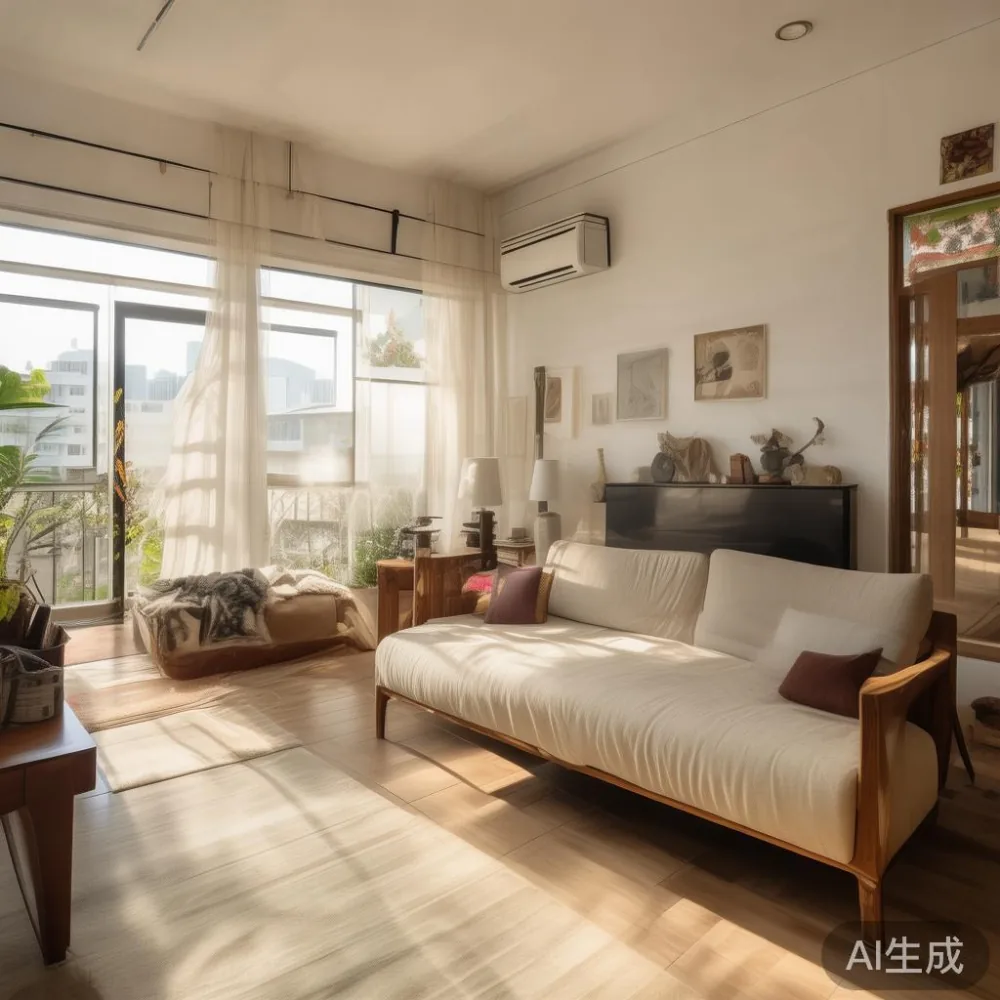
Why Lacquered Wood Needs Special Care in Singapore
A lacquered finish is a multi-layered coating applied over wood to create a hard, durable, and often glossy surface. While it provides excellent protection against minor scratches and stains, its primary vulnerability in a tropical climate is moisture. Singapore's average relative humidity hovers around 80%, with levels often climbing above 90% during the monsoon seasons. This persistent moisture can cause several issues. The most common is the formation of white, cloudy spots known as 'blushing' or 'blooming,' which occurs when moisture gets trapped under the lacquer. In more severe cases, prolonged exposure can lead to the lacquer layer softening, losing its adhesion to the wood, or even warping the solid wood beneath if it absorbs too much moisture. For a piece like a solid wood dining table or an Italian light luxury bed worth its investment, protecting this finish is not just about aesthetics; it's about preserving the structural integrity and value of the furniture.
What to Do: Daily and Weekly Maintenance Routines
Proactive care is the most effective strategy. Establishing simple habits can prevent significant damage over time. For daily upkeep, use a soft, dry microfiber cloth to dust your furniture. This removes abrasive particles like sand or dust that can scratch the delicate lacquer surface. Once a week, a slightly damp cloth can be used for a more thorough clean. The key is to wring the cloth out until it is almost dry—no water should drip onto the wood. Wipe in the direction of the wood grain to avoid streaks. For a solid wood sofa or bed frame, pay special attention to the crevices and joints where dust can accumulate. After wiping, immediately follow with a dry microfiber cloth to absorb any residual moisture. This simple two-step process prevents water spots and ensures the surface is completely dry. For homes in HDB flats, where space might be tighter, this routine is quick and prevents dust buildup in a confined environment.
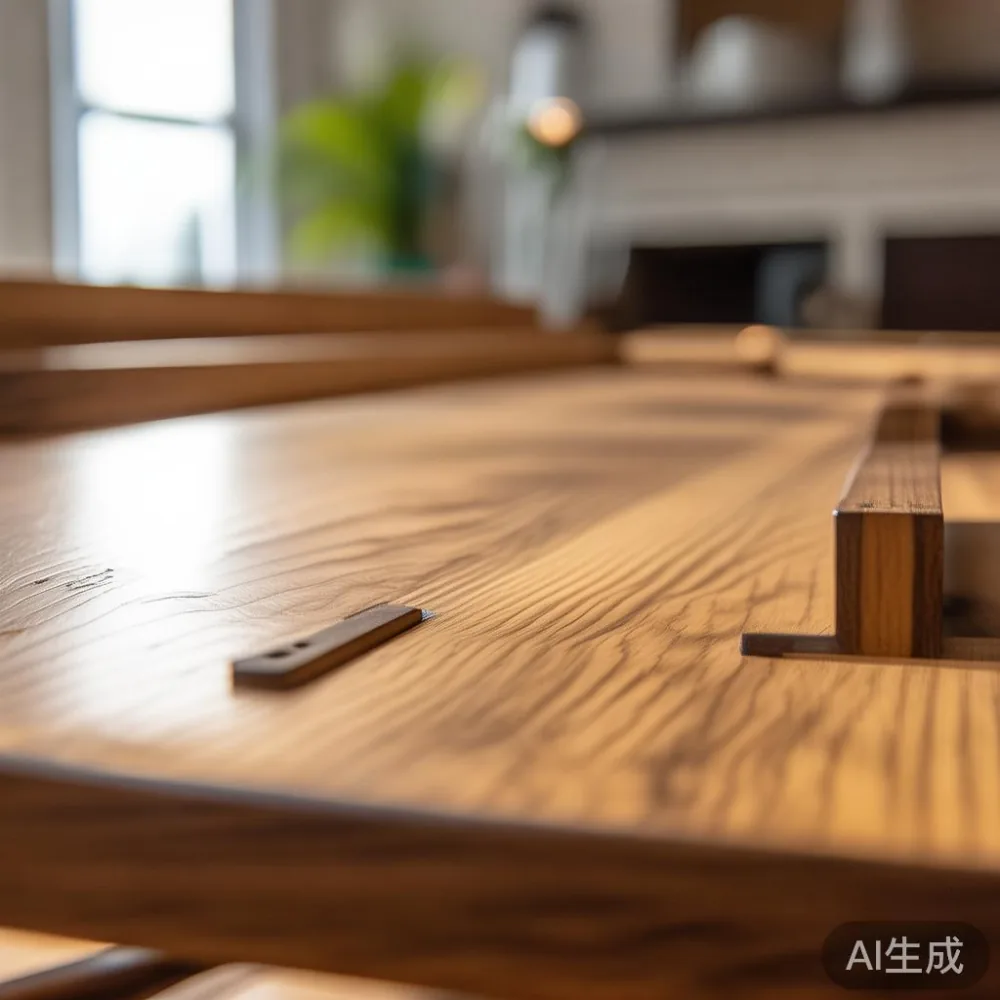
What to Avoid: Common Mistakes That Damage Lacquer
Certain cleaning practices and environmental factors can be particularly damaging to a lacquered finish. The most common mistake is using harsh chemical cleaners. Products containing ammonia, alcohol, or strong solvents can strip away the protective lacquer layer, leaving the wood exposed. Always use pH-neutral cleaners specifically designed for wood or, as mentioned, just plain water. Another major error is placing furniture directly in front of air-conditioning vents or fans. The constant, direct stream of cold air can cause the lacquer to contract and expand rapidly, leading to cracks or a 'crazed' appearance. Similarly, avoid placing hot items, such as a serving dish directly from the stove or a coffee mug, onto a lacquered surface without a trivet. The intense heat can create a permanent white ring or soften the lacquer. When considering how to style an American bed in apartment settings, ensure there's enough space around the bed for air to circulate, preventing moisture from getting trapped.
How to Deal with Humidity: Preventive Measures for Your Home
Controlling the indoor environment is one of the most effective ways to protect your furniture. For residents in Singapore, a dehumidifier is an excellent investment. Running a dehumidifier in the room where your most valuable furniture is kept, such as the bedroom with your Italian light luxury bed or your living room with a marble table, can significantly lower the ambient humidity. Aim to keep indoor humidity levels between 45% and 55%. This is especially important during the wetter months from November to January. Another practical tip is to ensure your home is well-ventilated. On days when it's not raining, open the windows to allow for cross-ventilation. This helps to expel moist air and bring in drier air. For those living in condos in Punggol or Bedok with large windows, this is an easy and natural way to manage humidity. Finally, be mindful of placing furniture against exterior walls, which can be cooler and more prone to condensation. Leaving a small gap, perhaps 2-3 cm, between the furniture and the wall can allow air to flow and prevent moisture buildup.
Is French Wardrobe Worth It for Singapore's Climate?
This is a question many homeowners ask when investing in high-end pieces. A French wardrobe, often characterized by its elegant lines and sophisticated finish, can be a stunning addition to a bedroom. The value of such a piece lies not only in its aesthetic appeal but also in its construction and finish quality. A well-made French wardrobe from a reputable manufacturer like MIDHILL will feature a high-quality lacquered or painted finish designed to withstand environmental stresses. The primary concern, as with any fine furniture, is humidity. However, a solidly constructed wardrobe with a durable finish will hold up beautifully in Singapore if proper care is taken. The assembly difficulty of such a piece is often minimal, designed for straightforward home setup. The real question of worth comes down to longevity and design. A French wardrobe offers a timeless elegance that can transform a bedroom, and with the care routines outlined in this guide, it can remain a beautiful functional piece for decades. The initial investment is higher than cheap light luxury furniture, but the durability and enduring style make it a worthwhile consideration for those who value quality.
Professional Care and When to Seek Help
Despite the best home care, sometimes a professional touch is needed. If you notice deep scratches, significant water stains that home remedies cannot remove, or areas where the lacquer has started to peel, it's time to call a professional furniture refinisher. Many companies offer specialized services for lacquered surfaces. For example, my colleague at the Tampines showroom last month had a customer with a solid wood sofa that had suffered some blushing due to an air-conditioning malfunction. The professional team was able to carefully sand the affected area and reapply the lacquer, restoring it to its original condition. For smaller issues, a furniture touch-up kit can be used. These kits contain colored wax or polish that can be applied to fill minor scratches and restore the color. For more extensive damage, a full refinishing might be necessary. The good news is that many manufacturers, including those with a 10-year structural warranty, offer lifetime refinishing services, so it's worth checking the terms of your purchase. A marble table top, for instance, requires different care but the same principle of avoiding harsh chemicals applies.
Practical Tips for Moving and Placing Your Furniture
How you handle your furniture during a move or when rearranging your home can also impact its lacquered finish. When moving a piece like a wardrobe or dining table, always ensure it is properly wrapped. Use thick blankets or moving pads to cover the entire surface, protecting it from bumps and scratches during transit in the lift or corridor. Secure the wrapping with tape, but be careful not to let the tape touch the lacquered surface directly. When placing furniture in its new spot, avoid dragging it across the floor. Instead, lift it or use furniture sliders to move it gently. For residents in Singapore HDB flats, the standard lift width is approximately 110 cm, and the corridor width is about 120 cm. Knowing these dimensions helps in planning the move. For a large item like a wardrobe, you might need to measure the path from the lift to your apartment door to ensure it fits. Assembly difficulty for most modern furniture is designed to be manageable for two people, so having a helper is always a good idea.
Understanding the Cost of Maintenance and Care
While the initial purchase of solid wood furniture is a significant investment, ongoing maintenance is relatively inexpensive. A good quality microfiber cloth costs around SGD 10 for a pack of three, and lasts for years. A pH-neutral wood cleaner might set you back SGD 25 to SGD 40 for a 500ml bottle. A dehumidifier is a larger expense, with a good one costing between SGD 300 and SGD 600, but it's an appliance that benefits your entire home, protecting not just furniture but also electronics, books, and preventing mould. Professional refinishing services can cost several hundred to over a thousand Singapore dollars, depending on the extent of the damage and the size of the piece. However, when you consider the cost of replacing a high-quality solid wood bed frame or dining table, which can easily exceed SGD 3,000, the investment in maintenance and occasional professional care is a small price to pay to preserve your asset. For those looking for how to style European light luxury wardrobe in bedroom spaces, the peace of mind that comes with proper care is invaluable.
Final Thoughts on Preserving Your Investment
Caring for lacquered furniture in Singapore is about understanding your environment and adapting your habits accordingly. It’s a simple matter of regular dusting, careful cleaning, and controlling humidity. By following these guidelines, you can ensure that your beautiful pieces, whether a sleek Italian light luxury for office settings or a classic French wardrobe, remain in pristine condition for years to come. The key is consistency and a little bit of attention. For more specific advice or to explore pieces designed with tropical climates in mind, you can contact specialists directly. For instance, a manufacturer based in Foshan can offer insights into their products' resilience; you can reach them at +86 188 2788 2512 for detailed information on their finishes and care recommendations.