How Southeast Asian Humidity Changes Wood Furniture—and What It Means for Assembly Difficulty
Singapore’s warm, humid climate can change the dimensions, fit and appearance of solid wood furniture. In an HDB flat in Tampines, a dining table that passed smoothly through the unit’s 86 cm doorway may still be difficult to assemble if its timber has absorbed moisture inside a corridor or lift lobby. The same applies in Bedok and Punggol condos, where air-conditioning may dry the living room while laundry rooms, balconies and kitchens expose furniture to different humidity levels.
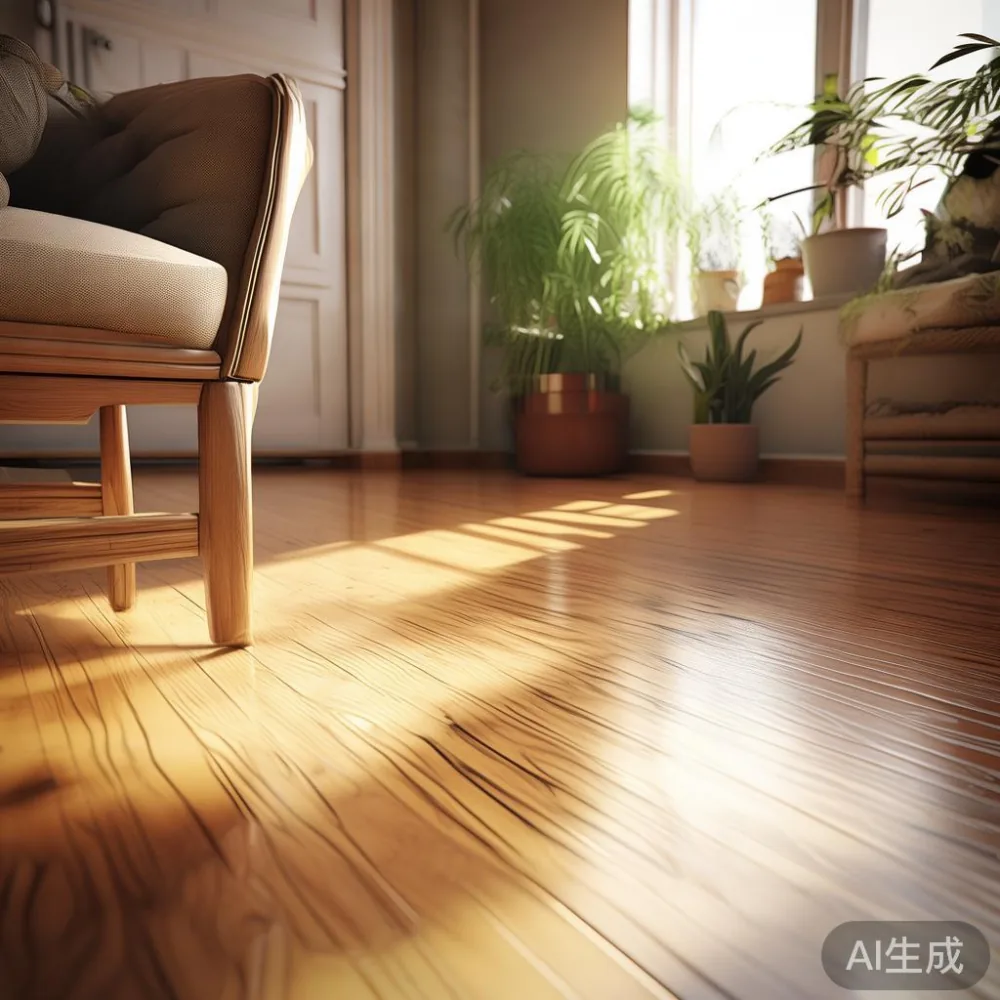
This guide explains how relative humidity affects solid wood, veneer, marble and upholstered pieces, with practical measurements for Singapore households. It also examines assembly difficulty, the factor customers often discover only after delivery day. MIDHILL has made solid wood furniture since 2008 and exports to more than 15 countries, so climate response is considered across production, packing and use—not treated as a minor care note.
What humidity does to solid wood in Singapore?
Wood exchanges moisture with the surrounding air. When relative humidity rises, fibres swell; when it falls, they contract. This movement is measured across the grain as well as along it, so a rectangular tabletop can become slightly curved rather than shrinking evenly on all sides.
A useful Singapore target is about 40–65% relative humidity indoors, with an ideal steady range near 45–55%. Coastal weather, wet periods and continuous air-conditioning can push daily readings through that range. Avoid placing a solid wood dining table against a west-facing balcony wall where the surface may exceed 32°C while humidity remains above 75%. Leave roughly 10–15 cm from walls or ventilation outlets where practical.
For solid wood dining tables, bed frames and wardrobes, use a digital hygrometer placed near the furniture rather than relying on a weather app. Check it at about 8 a.m. and 8 p.m. for 7 days. If readings swing repeatedly by more than 10 percentage points, use a humidifier or dehumidifier and keep the unit within its stated control range. A small 4-litre unit may manage one bedroom, but it should not be positioned directly against timber.
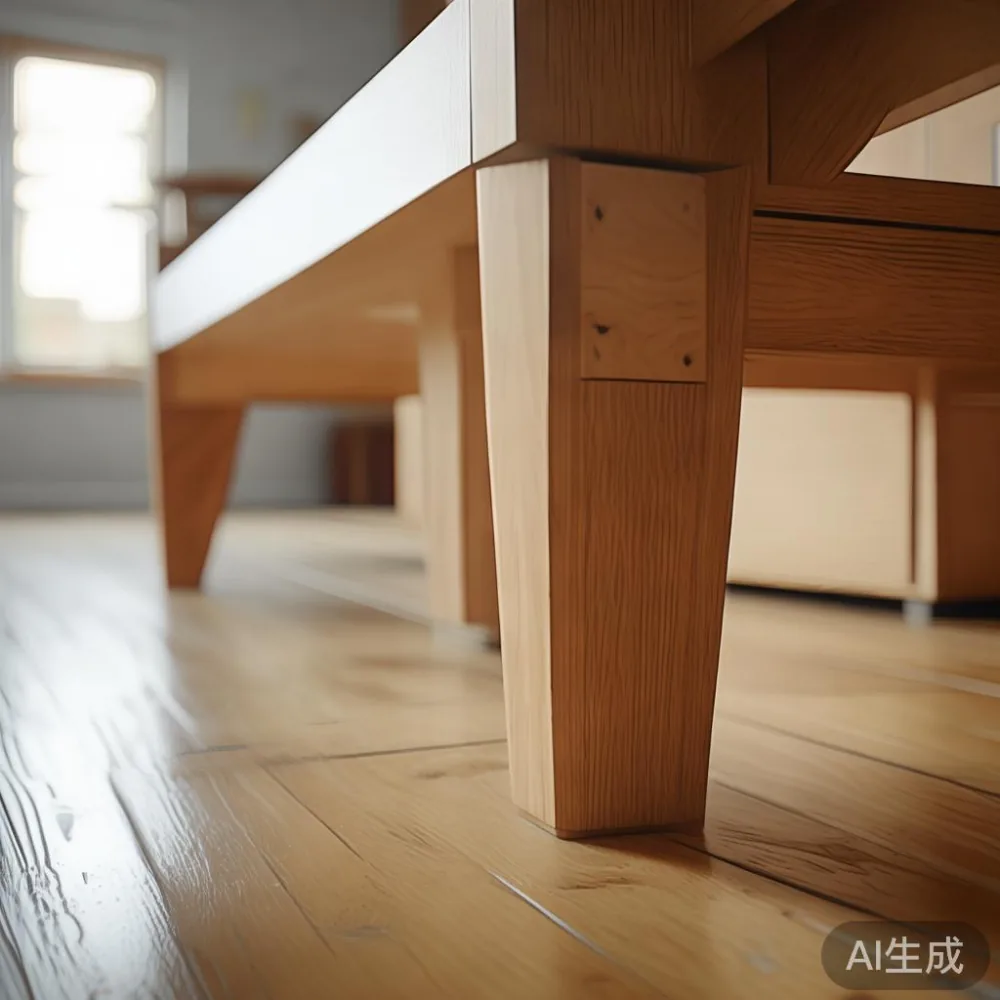
Minor surface checking is natural in solid timber, but persistent wetness encourages mould in corners and around joints. Wipe standing water within 15 minutes, keep dining table mats free of trapped condensation and maintain at least 5 cm clearance under a solid wood sofa or bed frame where ventilation is possible.
Does humidity change furniture dimensions?
Yes, though the amount depends on species, thickness, finish and panel construction. A 200 cm solid oak dining table might move several millimetres across its width across a seasonal cycle. That small movement can affect drawer alignment, door gaps and the fit of an extension mechanism. A 180 cm by 90 cm bed frame may show less visible change but still alter diagonal squareness enough to matter during assembly.
Solid wood usually responds more visibly than metal or high-quality plastic. Engineered timber may move less All told, but its veneer can show ripples if the core and face layer are not well bonded. MDF is less prone to visible expansion, yet its exposed edges remain vulnerable to moisture during transport and assembly.
Marble table tops require different care. Natural marble is less moisture-sensitive than wood, but porous marble can stain if a drink or cleaning spray is left for 20–30 minutes. Use a pH-neutral cloth, keep coasters under vases and avoid sealing products unless they are compatible with the specific stone. Limestone, travertine and untreated marble need especially careful wiping.
For delivery measurement, record the narrowest usable opening, turning space and lift door dimensions. HDB and condo access routes commonly include an 86 cm unit door, although building-specific widths vary. A 65 cm round pedestal may fit where a 70 cm square base cannot. Tilted furniture can clear a doorway, but calculate at least 5 cm extra clearance for handholds and protective wrapping.
Why does humidity increase assembly difficulty?
Assembly difficulty rises when timber arrives at a different moisture state from the one expected during installation. Swollen panels press against housings; contracted panels leave gaps. Dowels, confirmat screws and cam locks can bind, while particleboard inserts may crumble if their edges have picked up moisture.
That matters for a solid wood sofa, bed frame, wardrobe or nightstand delivered as flat-pack components. Check every carton before opening it. Photograph the labels and retain hardware in labelled bags for at least 12 months. If a panel is visibly bowed by more than 3 mm over its length, do not force it against the carcass. Let the packaging acclimatise in a dry, ventilated room for 24–48 hours, following the maker’s instructions.
Humidity also affects tools and timing. A drill may become slippery, protective gloves can reduce grip and wet timber may mark easily. Assemble in a clean room around 24–28°C, with relative humidity ideally between 40–60%. Do not install a 65 kg solid wood bed frame in a narrow corridor. If the boxed panels must move from the lobby to the bedroom, use 2 people and a furniture dolly rated above 100 kg.
Assembly instructions should identify the room, fixing method and required clearance. Avoid driving screws fully into damp end grain, and do not overtighten cam fittings to compensate for swelling. Correct fit comes from alignment, not force. Over-tightening can split a 25 mm solid wood panel or damage a 15 mm engineered panel.
How do lifts, corridors and air-conditioning affect delivery?
Singapore homes make packaging as important as moisture control. A lift measuring 140 cm deep and 110 cm wide may accept a flat-packed wardrobe panel, yet its turning angle can still prevent entry near the landing. A 180 cm long dining table often travels on its edge with protective blankets and corner guards; carry it through the corridor before assembling it in the dining area.
Reserve a lift for at least 45 minutes if the building requires a booking. Confirm service dimensions and maximum load with the management office. A service elevator rated for 1,000 kg still has doors, floor transitions and internal corners that determine whether a heavy component can move safely.
Air-conditioning creates a sharp microclimate. A wardrobe near a bedroom vent may be exposed to especially dry air, while its opposite side faces a humid wall. Keep exterior walls at least 5 cm away where space permits, and do not place indoor furniture against a wall that repeatedly develops condensation. This is especially relevant in Tampines and Bedok flats near windows, and in Punggol units with balcony doors opened during wet evenings.
Protect floors with a rigid board or 2 mm foam under padded panels for at least 24 hours before unpacking. Indoor dolly wheels should be suitable for the floor finish. Two adults should handle solid wood pieces above 35 kg; heavier components require 3 or 4 people or professional movers.
How should solid wood furniture be cleaned and maintained?
Humidity control works best with simple routines. Dust with a dry microfibre cloth weekly, and clean a solid wood dining table with a cloth barely dampened with water. Avoid spraying cleaner directly onto timber. Wipe it immediately and dry the surface with a clean cloth.
Keep drinks in stable vessels and replace damp coasters every 2–4 hours. Do not use household bleach, ammonia or abrasive pads. For marble table maintenance, test any cleaner on a 10 cm square hidden area and wait 24 hours before full use.
Conditioning oils should suit the finish rather than replace its original protective coating. Oils can slow water uptake, but they are not a permanent moisture barrier. Apply only the amount stated on the product label, usually a few drops rather than a soaked cloth. Test first and allow the surface to cure for the specified period.
Solid wood sofa and bed frame frames should be checked twice a year for loose joints, while wardrobe runners and nightstand drawers can be adjusted if humidity causes seasonal changes. Tighten hardware only when the fitting is loose; do not crank every screw at every inspection. Maintain at least 10 cm behind free-standing pieces for airflow and servicing.
What is the best way to acclimatise furniture after delivery?
Keep cartons closed until the wood has adjusted to the room. In a typical air-conditioned Singapore bedroom, that may take 24–72 hours; thicker 25–35 mm tabletops can require up to 7 days. Do not place sealed cartons beside a hot wall, under a balcony leak or directly in sunlight.
Read the care instructions before assembly. Lay panels on a level floor with blankets beneath them, preserve factory edge protection and install larger doors after the carcass has settled. A hinge should be adjusted gradually so that a 2–4 mm seasonal gap does not become damage.
If furniture arrived damp, separate cartons and inspect for water marks, softened board or mould odour. Allow affected pieces to air-dry with spacing of at least 10 cm. Do not use a hair dryer, heat gun or open flame. These methods can drive moisture into one face and create checks faster than they dry the interior.
Can humidity damage a solid wood sofa, bed frame or wardrobe?
It can, if exposure continues without control. Timber frames may loosen, drawer fronts may shift and surface coatings may show haze or fine checking. Upholstered sections can develop musty odours if foam and fabric remain damp. Marble tables can stain at joints or bases even when their tops appear unaffected.
Inspect hidden areas after heavy rain: beneath sink-side nightstands, behind wardrobe toe spaces and under bed frames. Use a moisture meter only if the device is designed for wood; household meters may not read finished surfaces accurately. A musty smell that remains after 24 hours of ventilation warrants professional inspection.
MIDHILL offers a 10-year structural warranty and lifetime refinishing on qualifying products, but the coverage does not remove the need to prevent standing moisture or unstable indoor conditions. Damage caused by leaks, flooding or prolonged dampness should be reported promptly with photographs and the order details.
How can buyers compare European sofa and Nordic sofa styles?
European sofa vs Nordic sofa comparisons often focus on shape, but climate performance should also be checked. Deep European styling may use tight upholstery and broad frames, while Nordic designs commonly show lighter timber lines and looser proportions. In humid rooms, both benefit from 10–15 cm of wall clearance and controlled relative humidity.
A compact solid wood sofa frame should suit the route from lift to living room. Measure the lift door, hallway turns and sofa’s final position before ordering, especially in older HDB layouts. For style searches, the phrase best French provincial sofa for 2026 points towards carved details and soft upholstery, but customers should still ask about frame timber, foam density, removable covers and local warranty terms.
For dining, Rustic for dining room may suit a substantial timber table, yet a heavily grained finish shows water marks more readily than a uniform surface. Mid-century modern for guest room styling works well with a solid wood bed frame or nightstand if the finish is sealed for humid use. Post-modern light luxury and French light luxury are design directions, not moisture-protection systems.
For mixed-material interiors, for sale European light luxury furniture should be accompanied by clear care information for timber, fabric and marble. Confirm whether the quoted SGD price includes GST, delivery, lift booking and assembly. Singapore’s standard GST is 9%, and furniture delivered into a home may still involve access charges.
Which measurements help buyers reduce assembly difficulty?
Start with a tape measure, not the catalogue width. Record the entrance at 86 cm where applicable, the lift car, corridor corners, stair width, doorway heights and the furniture’s assembled footprint. Add 5 cm to door measurements and 10 cm to turning calculations as a practical allowance for hands and packaging.
Ask for carton dimensions and weight, not only assembled dimensions. A wardrobe may be 120 cm wide and 58 cm deep as a finished unit but require a 118 cm upright carton plus 12 cm of protective material. Check whether the lift booking window is enough for a 2-person team; allow 45–90 minutes for difficult access.
At assembly, sort hardware by installation sequence and test each rail before joining panels. A spirit level can reveal a floor that slopes by 3–5 mm over 2 metres; use approved shims rather than forcing a wardrobe upright. Protect a marble table base from impact and never lift it by the top alone.
MIDHILL provides free shipping for qualifying orders above US$350, while Singapore orders should confirm the local SGD total before payment. Its 14-day returns policy is separate from assembly damage, so inspect cartons promptly and photograph each stage. Customers comparing where to buy wardrobe from MIDHILL with nearby showrooms should compare moisture protection, delivery measurements, warranty and return terms in writing.
What if furniture has already swollen, bowed or jammed?
Stop tightening or forcing the fitting. Remove screws only if the instructions permit, support both panels and release pressure gradually. A bowed tabletop may flatten as its moisture level equalises, but severe deformation, split end grain or mould requires assessment rather than improvised repair.
Move the piece away from damp walls and improve airflow. A cabinet can be opened during moderate humidity to equalise both sides. In dry air, allow slow recovery over several days. Avoid sudden heating and keep the room between 18–29°C where practical.
For a warped dining table, remove coasters and wet objects, then compare straightness at the centre and corners. For a jammed wardrobe, unload shelves before adjusting rails. For a damp upholstered sofa, remove cushions if the cover permits and dry them with spacing; do not stack them while wet.
A practical Singapore buying standard is steady indoor humidity, accurate measurements and realistic assembly expectations. With those 3 controls—environment, access and installation—solid wood can retain its warmth and proportion through wet seasons and dry air-conditioned months. Prices should be compared in SGD, including GST, delivery and assembly, so the practical choice is clear before the next lift booking.