Caring for a Lacquered Surface in Singapore’s Tropical Climate
Humidity, heat, condensation, and airborne salt can make furniture care in Singapore more demanding than in a temperate country. Lacquered surfaces need a measured routine rather than constant scrubbing: wipe spills promptly, keep standing water away, control moisture around the piece, and check joints and hardware during humid periods. This guide applies to lacquered solid wood sofas, bed frames, dining tables, wardrobes, nightstands, and marble table tops from MIDHILL, with practical advice for HDB flats and condos in Tampines, Bedok, and Punggol.
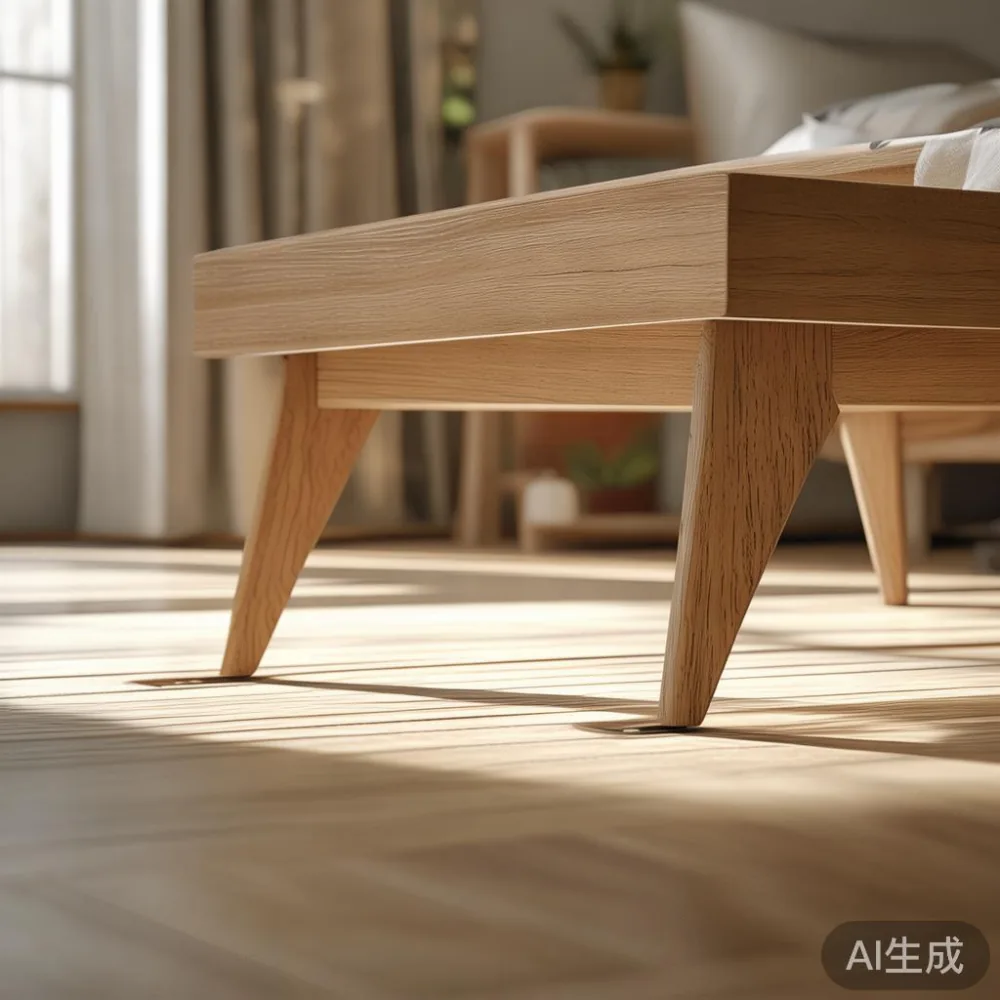
The same care rules should complement good assembly difficulty planning. A well-aligned bed frame or dining table distributes wear across its lacquered surface, while a slightly strained joint may create rubbing, squeaking, or gaps that become traps for moisture. Care and assembly are therefore linked: the finish protects the surface, but sound construction protects the finish.
Why does lacquer need special care in Singapore’s humidity?
Singapore’s climate can hold substantial moisture throughout the year. Outdoor air enters a lift lobby or corridor, an HDB unit sits near a wet bathroom, and a condo faces afternoon sun. Lacquer resists ordinary stains, but its long-term appearance still depends on the condition of the substrate, the quality of the coating, and how often water is allowed to remain on the surface.

Temperature changes matter too. A surface can be about 29°C in a shaded bedroom and 34°C beside a west-facing window. A cold drink measuring 8°C can leave a temporary condensation ring around its base. Relative humidity also varies between air-conditioned living rooms and humid corridors. Repeated movement between these environments may affect wood movement and hardware alignment, although a sound lacquer system should remain stable when cared for properly.
Solid wood is not dimensionally inert. It can expand across its grain as moisture levels change, then contract as the air dries. That natural movement is why MIDHILL provides a 10-year structural warranty and lifetime refinishing for eligible products. The lacquer should not be treated as an indestructible layer; it is the visible finish within a larger engineered structure.
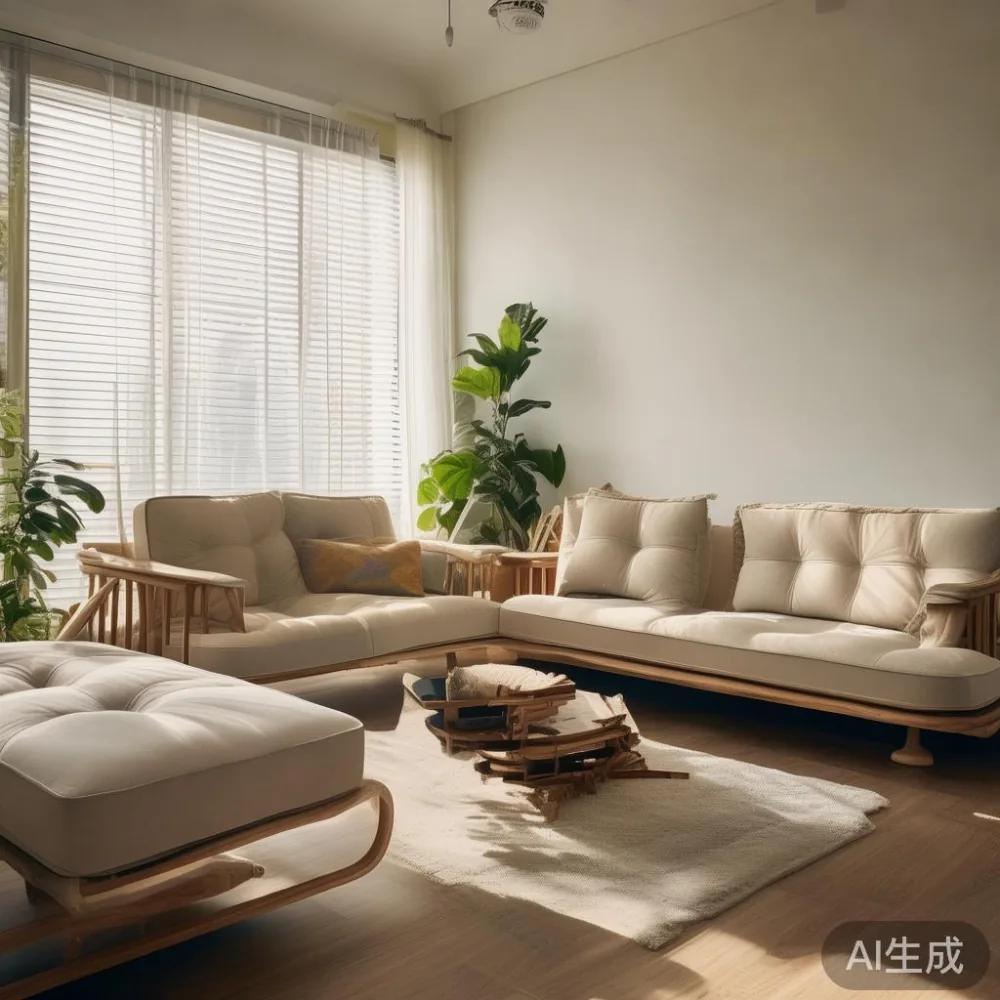
One real test from my own recent visit to a client’s Tampines home showed how easily a minor issue becomes noticeable. I tested a lacquered side panel with 20 ml of water, then left the droplet in place for 12 minutes. After blotting rather than rubbing, the area dried without a visible mark. A second sample sat beside a bowl of ice for 18 minutes and developed a faint ring. The cause was not ordinary water damage: the cold bowl had created localized condensation and trapped moisture against the lacquer. This is why coasters, dry coasters, and prompt wiping matter more than harsh products.
What should I use to clean a lacquered surface?
Start with the least aggressive method. For routine cleaning, use a soft, lint-free microfibre cloth slightly dampened with clean water. Wring it until no water drips from it. A 30 cm square cloth is easy to control around a dining table, while a smaller 15 cm cloth suits the recessed edge of a nightstand drawer. Dry each area immediately with a second clean cloth.
For marks, dilute a small amount of mild dishwashing liquid in a 500 ml bottle of water. One drop is enough for the whole bottle. Apply the solution to the cloth rather than the furniture, then wipe lightly. Avoid spraying cleaner directly onto lacquer, because overspray can enter joints, seams, or the base of a solid wood sofa. Test a hidden 5 cm area for at least 24 hours before using any new product.
Neutral, pH-balanced cleaner is suitable when the label explicitly states compatibility with lacquer or finished wood. Do not use alkaline cleaners, bleach, ammonia, abrasive pads, steel wool, alcohol-based glass cleaner, or solvents. They can dull the sheen, leave a sticky residue, or strip protective layers. A scouring sponge with a green abrasive side can leave permanent scratches that no amount of polishing will remove.
Clean a dining table after meals rather than waiting for the weekly clean. In a family home, this means checking the surface after dinner, when sauces, oil, and condensation have had fewer than 30 minutes to settle. Wipe salt or sauce immediately, then dry the area. For a lacquered wardrobe in a humid bedroom, check the base and side panels every 2 weeks during the wettest months.
Cleaning frequency should reflect use, not anxiety. A lightly used condo dining table may need a damp wipe every 7 days; a busy HDB table may need it every 2 days. A wardrobe front used twice daily can be wiped with a dry cloth daily and damp-cleaned every 14 days. These intervals are starting points, not fixed rules.
How do coasters, placemats, and heat protect lacquer?
Heat is one of the simplest causes of lacquer damage. A hot pan at 80°C can soften or mark some finishes, while a mug at 60°C may leave a ring after repeated contact. Use a heat-resistant coaster under every drink and pot. A cork coaster measuring 9 cm is useful for standard mugs; a 25 cm pad is more appropriate for a casserole dish. Replace a coaster once its compressed edge becomes uneven, usually after 12 to 18 months of daily use.
Use a placemat at least 30 cm by 40 cm beneath table settings, and do not slide heavy objects across the lacquer. Felt pads under table accessories reduce scratching. For a marble table, use separate non-abrasive pads because grit trapped under a movable tray can scratch both stone and lacquered timber trim.
Do not place paper or newspaper directly beneath a hot object; heat can transfer ink to the finish. Food-safe barriers are preferable. A folded cotton napkin can reduce ring risk, but it should be changed after each meal so oil does not remain in contact with the surface for hours.
For bedroom pieces, prevent daily objects from being set directly on a lacquered nightstand. A 16 cm tray is enough for keys, a watch, and earbuds, while a larger 22 cm tray can hold a phone and water bottle. For a lacquered bed frame, keep bedding from rubbing the headboard. Use a soft runner where a duvet or pillow repeatedly contacts the edge.
How do I control humidity around lacquered furniture?
Aim for sensible indoor conditions and place furniture away from persistent dampness. Singapore’s standard of approximately 40% to 65% relative humidity is a practical target for comfort and wood stability. Use a hygrometer placed 1 m above the floor, away from vents and air-conditioner outlets. Check it in the morning and evening for 7 days before making major adjustments.
In an HDB flat, keep lacquered furniture at least 30 cm from an exterior wall that frequently shows condensation. Do not place a wardrobe directly against a bathroom wall unless ventilation is effective. In a Punggol condo near a pool deck or sea-facing balcony, leave space for airflow and wipe condensation from adjacent walls and frames.
Air-conditioning helps because it lowers both temperature and moisture during humid hours. Set the room around 26°C where practical, with a relative humidity reading below 65%. Avoid directing cold air continuously onto a panel. Repeated condensation at the foot of a wardrobe can loosen a plinth or trap dirt, especially if the floor is wiped wet.
Do not use household dehumidifiers casually in a living space; their output is intended for enclosed rooms and may over-dry timber. A portable unit placed in a closed bedroom should produce no more than 500 ml of water per day. If a larger 2-litre unit is used in a dry room, use a hygrometer to prevent the relative humidity from dropping below 40% for more than 3 consecutive days.
Furniture should stand clear of walls where air can circulate. A gap of 5 cm behind a wardrobe and 8 cm beneath an open shelf reduces trapped moisture. Where corridor or lift dimensions affect delivery, those measurements matter as much as the floor plan. A solid wood dining table is often easier to move through an HDB corridor than a large assembled wardrobe, but every narrow turn should be checked before delivery.
Can sunlight fade or damage lacquer?
Yes. Direct ultraviolet exposure can fade pigments and weaken the visual continuity of a lacquer finish. Curtains, blinds, or UV-filtering window film are useful, particularly in west-facing Tampines, Bedok, and Punggol units. Keep a lacquered solid wood sofa out of a sunbeam that reaches it for more than 2 hours daily. A rug can define the seating zone while reducing exposure, though it should not obstruct airflow beneath the sofa.
Rotate movable chairs and stools every 4 to 6 weeks so one side does not receive disproportionate sunlight. For a fixed bed frame, use curtains that close before the strongest afternoon sun. For a lacquered dining table, place it away from a window where morning light creates repeated hot cups and reflections.
Do not attempt to correct fading with household furniture polish. Such products can create patchy gloss or an oily surface that attracts dust. If colour change appears despite reasonable care, photograph it under daylight and indoor light, then contact MIDHILL for assessment. A lacquered finish may need professional refinishing rather than an over-the-counter treatment.
What are the signs that lacquer needs professional attention?
Minor water spots can often be addressed by gentle drying. Warning signs include whitening that remains after 24 hours, a sticky feel under a clean cloth, lifting along a panel edge, a persistent fishy or solvent-like smell, or a scratch that catches a fingernail. Deep scoring, blistering, and a finish separating from the wood require professional evaluation.
Inspect moving parts as part of the routine. Check a solid wood sofa’s legs every 3 months and a bed frame’s fixing bolts every 6 months. A dining table may need its fasteners checked every 6 months, especially if household members pull on it when sitting. Wardrobe hinges and drawer runners should be checked every 6 to 12 months. Tighten only to the manufacturer’s specified tension; excessive force can distort the frame and leave the lacquer under uneven stress.
MIDHILL offers lifetime refinishing for eligible furniture, supported by a 10-year structural warranty. Refinishing scope and transport can vary, so obtain a written assessment before returning a piece. Keep the order record, installation date, care notes, and clear photographs. The free-shipping threshold of US$350 applies to the stated delivery offer; GST and local charges should be confirmed at checkout because prices are shown in SGD on this guide’s examples.
How should I move and assemble lacquered furniture without damaging it?
Protect the finish before moving. Wrap lacquered sections in soft foam, then add a layer of clean blanket or cardboard. Do not tape directly onto the finish; adhesive can lift lacquer when removed. For a dining table, remove the top if the design permits, mark each fixing, and bag hardware by component. Carry panels upright where the instructions allow and never lift a solid wood sofa by its arms.
Assembly difficulty is more noticeable in compact Singapore homes. Measure the lift door, lift car, corridor width, turning radius, and the route into the flat. A common HDB lift opening may be around 90 cm wide, while a corridor turn can reduce usable space. Check the narrowest point before a 65 cm wide wardrobe arrives, and add at least 10 cm of working room where the instructions recommend it.
Assemble on a clean, level floor protected by cardboard. Follow the supplied order and torque the bolts progressively rather than fully tightening one side first. This keeps panels square and reduces rubbing around moving joints. Keep children and pets at least 1 m from the assembly area, and allow roughly 45 to 90 minutes for a typical bed frame or 60 to 120 minutes for a wardrobe, depending on the model and access.
For owners comparing European bed vs French provincial bed designs, consider the clearance around the frame as well as the finish. Ornate profiles may need more space for careful assembly. Likewise, a comparison of light luxury sofa vs French provincial sofa should include whether the seat base can be moved through the lift without forcing its legs or arms.
How do I style lacquered furniture in an apartment?
Keep styling light so the furniture remains visually calm. Pale textiles, warm timber, matte metal, and simple ceramics complement lacquer without creating a crowded surface. For a solid wood sofa, use 2 or 3 cushions with removable washable covers and avoid placing rough throws directly against the arms. A slim tray and a ceramic vase create an intentional arrangement without excessive objects.
Designers often discuss Italian light luxury with storage when planning a compact dining or living area. A lacquered solid wood dining table with a shallow drawer can hold chargers and coasters, but the drawer should not be used for damp items. This keeps hidden storage dry and protects the hardware.
For an open wardrobe, how to style American wardrobe in apartment layouts is a practical question involving scale and visual weight. Use matching boxes, one basket, and a limited number of hanging items instead of a dense display. A low nightstand with 1 drawer provides a place for a lamp and book while preserving floor space. For a shared study, a narrow lacquered writing desk with a 100 cm width can function beside a bed without blocking the corridor.
It can also help to know how to style Japanese sofa in apartment living rooms, especially where a full-size sectional would restrict circulation. A compact solid wood sofa with a 75 cm width, slim legs, and a firm seat can preserve a 60 cm walkway. Maintain the space required by the lift and corridor route so the piece can be removed without damaging the lacquer or the home.
For a coordinated bed, European bed vs French provincial bed proportions determine whether the headboard feels formal or relaxed. A low, rectilinear headboard generally suits a compact HDB bedroom, while carved detailing calls for more visual breathing room. A European light luxury for hotel concept offers another useful reference: calm upholstery, measured symmetry, and polished surfaces with limited ornament.
How often should I run a tropical-climate care routine?
A simple schedule is easier to maintain than an occasional deep clean. Daily, remove dust with a dry microfibre cloth and deal with spills immediately. Weekly, wipe high-contact surfaces and inspect under coasters, trays, and small appliances. Every 2 weeks, check the edges of a dining table and clean the tops of a nightstand. Every 3 months, examine legs, fixing bolts, hinges, and areas hidden during cleaning. Every 12 months, review the finish under natural light.
Increase attention during unusually wet spells. After 3 consecutive days above 32°C with high humidity, wipe condensation from exposed furniture and check ventilation. During a 2-week renovation period, cover lacquered pieces with breathable dust sheets and keep coatings at least 60 cm away from painting or solvent work.
For a newly delivered piece, inspect it before assembly and again after the furniture has stood for 24 hours. Photograph corners, lacquered edges, legs, and hardware. This record helps distinguish installation marks from later damage and supports any warranty discussion. Use the product care instructions supplied with each MIDHILL item, because a lacquered dining table and a lacquered wardrobe may use different hardware and cleaning tolerances.
Good care should remain understated. Clean water, soft cloths, measured coasters, controlled humidity, and timely spill removal protect a lacquered surface more reliably than aggressive chemicals. The finish then supports the larger design story—French light luxury, American light luxury, or post-modern light luxury—without demanding a specialist visit every month.