How Southeast Asian Humidity Changes Solid Wood Furniture—and What It Means for Assembly Difficulty
Humidity is easy to underestimate in Singapore, yet it affects wood more than most shoppers expect. In HDB flats, condominiums and landed properties across Tampines, Bedok and Punggol, wooden furniture repeatedly encounters warm, moisture-rich air. Doors swell, joints loosen, veneer lifts and lacquered surfaces can appear cloudy. These changes also influence assembly difficulty, because a frame that has absorbed moisture may not fit or fasten as predictably as a dry, straight component.
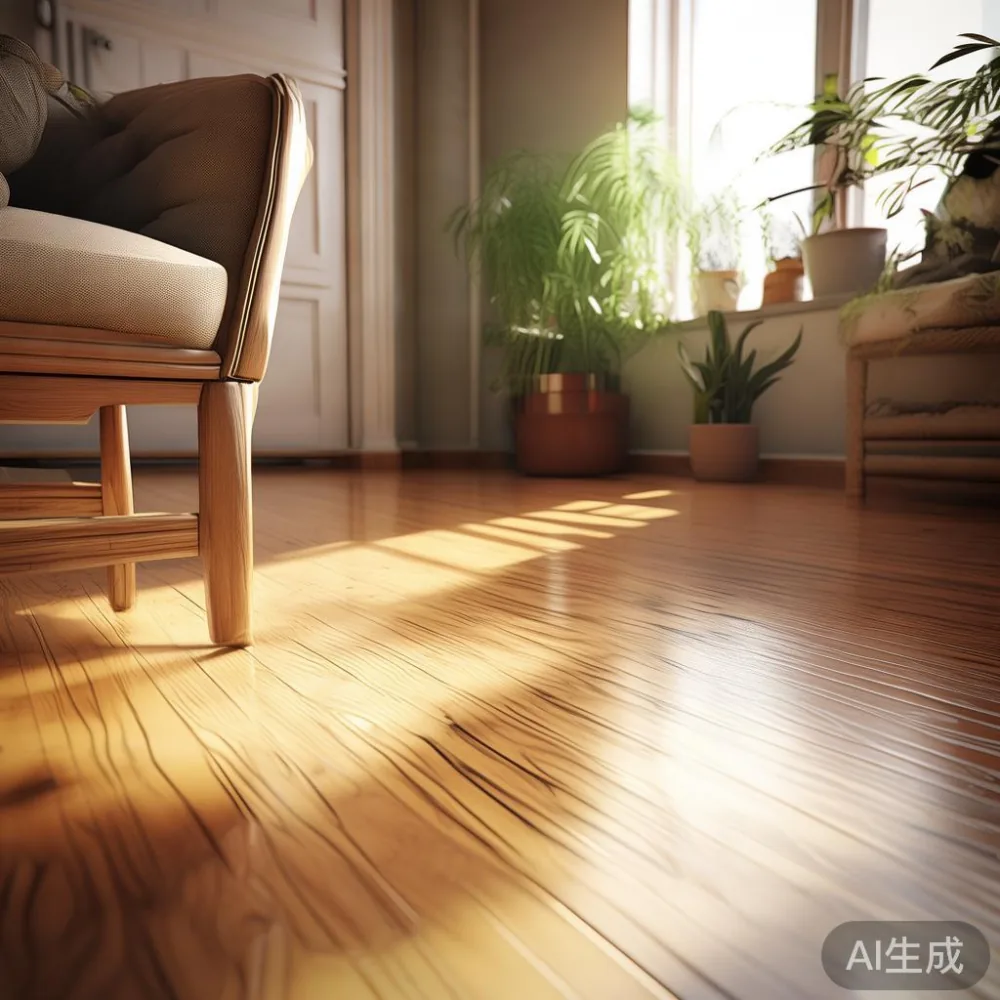
At MIDHILL, we design solid wood furniture for real Southeast Asian conditions rather than treating every shipment as though it will enter a climate-controlled showroom. The same principles apply to a solid wood sofa, a bed frame, a dining table, a wardrobe, a nightstand and a marble table: accurate preparation, sensible packaging and instructions that account for movement within normal tolerances.
Singapore’s relative humidity commonly ranges from about 60% to 85%, with wetter periods bringing short spikes. Outdoor temperatures remain near 26–33°C for much of the year, while air-conditioned interiors may sit around 23–27°C. Repeated movement between a warm corridor, a sunlit living room and a cool bedroom is more relevant to furniture care than one isolated reading from a hygrometer.
Why does humidity change solid wood?
Wood is hygroscopic: it gains or loses moisture as the surrounding air changes. Solid timber does not simply expand evenly in all directions. A broad oak or ash dining table top might move approximately 3–6 mm across its width over a full seasonal cycle, while narrower parts can move around 1–3 mm. Movement along the grain is much smaller. These are normal dimensional responses, not automatically defects.
In a typical Tampines HDB flat, the dining table may be placed near a window with afternoon sun, then used in an air-conditioned room. The surface warms and contracts; the edge exposed to room air responds differently. A bed frame stored for 6 months in a less climate-controlled unit and then brought into a cool Punggol bedroom can tighten around its fasteners. A wardrobe near a bathroom wall may encounter higher humidity than one positioned in an internal bedroom wall.
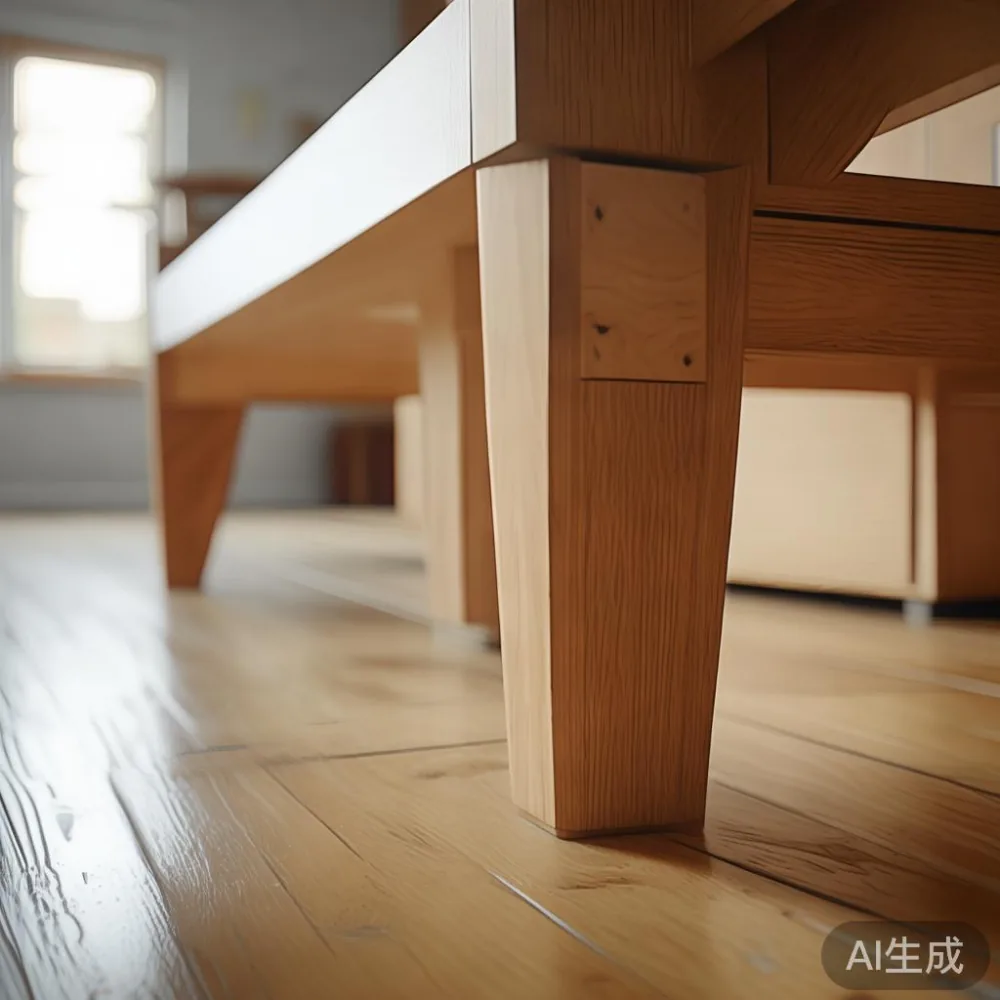
The risk increases with poor preparation: moisture above roughly 18–20% in many furniture woods can encourage mould or fungal activity if the timber remains wet and poorly ventilated. Finished surfaces are less porous, but scratches, chipped edges and failed seals can expose raw fibres. Stone is not immune either. A marble table has low moisture absorption, yet its supporting timber and joints still need stable conditions.
How much should I worry about a solid wood dining table moving?
Some movement is expected. A seasonal width change of 3–6 mm in a 180 cm dining table can usually be accommodated if the construction and installation allow it. Larger shifts may indicate that the timber was not properly conditioned for the destination or that the table was stored near a leak, exterior wall or strong moisture source.
Look for even gaps, a level top and stable fasteners rather than judging a table from one measurement alone. Wipe the surface and check underneath for dampness. If a corner lifts by more than about 5 mm, feels persistently damp or shows a water stain, contact the supplier promptly. A 10-year structural warranty addresses structural failures, but it does not mean moisture damage caused by flooding, deliberate wetting or prolonged neglect is automatically covered.
For apartment dining zones, allow roughly 90 cm behind each chair and about 120 cm between the table edge and a wall. In a compact HDB dining room, a 140–160 cm table may offer better circulation than a 200 cm model. Confirm the assembled dimensions before ordering, especially if it must turn through a lift or fit beside a corridor wall.
Does humidity make furniture assembly harder?
It can. This is where assembly difficulty becomes a practical rather than decorative concern. Solid wood components move at different rates, and screws can bind if the timber has swollen. A bed frame assembled in a humid corridor may be tighter than the same frame assembled after acclimatisation indoors. A nightstand fitted into a recess may require adjustment if its side panels have expanded.
Assembly difficulty also depends on the design. A mortise-and-tenon dining table generally needs fewer visible fasteners than a flat-pack wardrobe with dozens of dowels and cam locks. A solid wood sofa may arrive with detachable legs, while a marble table may use a metal subframe that requires more careful levelling. By comparison, a simple bed frame with a 3-4 cm rail and pre-installed corner joints can take about 35–50 minutes for one competent adult; a wardrobe may take 90–150 minutes, and a dining table often needs 45–75 minutes.
These times increase in humid conditions when hands, floor surfaces and wooden parts are slick. Clean a 2 × 2 m work area, keep at least 60 cm of circulation space, and avoid forcing a swollen joint. Loosen the fixing slightly before tightening it evenly. A torque pattern matters: work across opposite fasteners in stages rather than fully tightening one side first.
Can Singapore humidity ruin a solid wood sofa or bed frame?
No. Humidity does not automatically ruin furniture, but prolonged excess moisture can cause finish haze, joint movement and, in severe cases, mould. Upholstery over solid wood adds another variable: foam absorbs less than fabric, yet covers can retain dust and damp residue. Keep sofas 20–30 cm away from exterior walls and avoid placing them against a bathroom or kitchen partition that may be cooler and more vapour-resistant.
For a bed frame, inspect after bringing it into the bedroom and again after the first 7–14 days. Check that slats seat fully, corner joints remain firm and the headboard does not knock against a wall. Use a dehumidifier if readings remain above about 75% for long periods. Set it to maintain 50–65% relative humidity where possible; running it briefly is less useful than maintaining stable conditions.
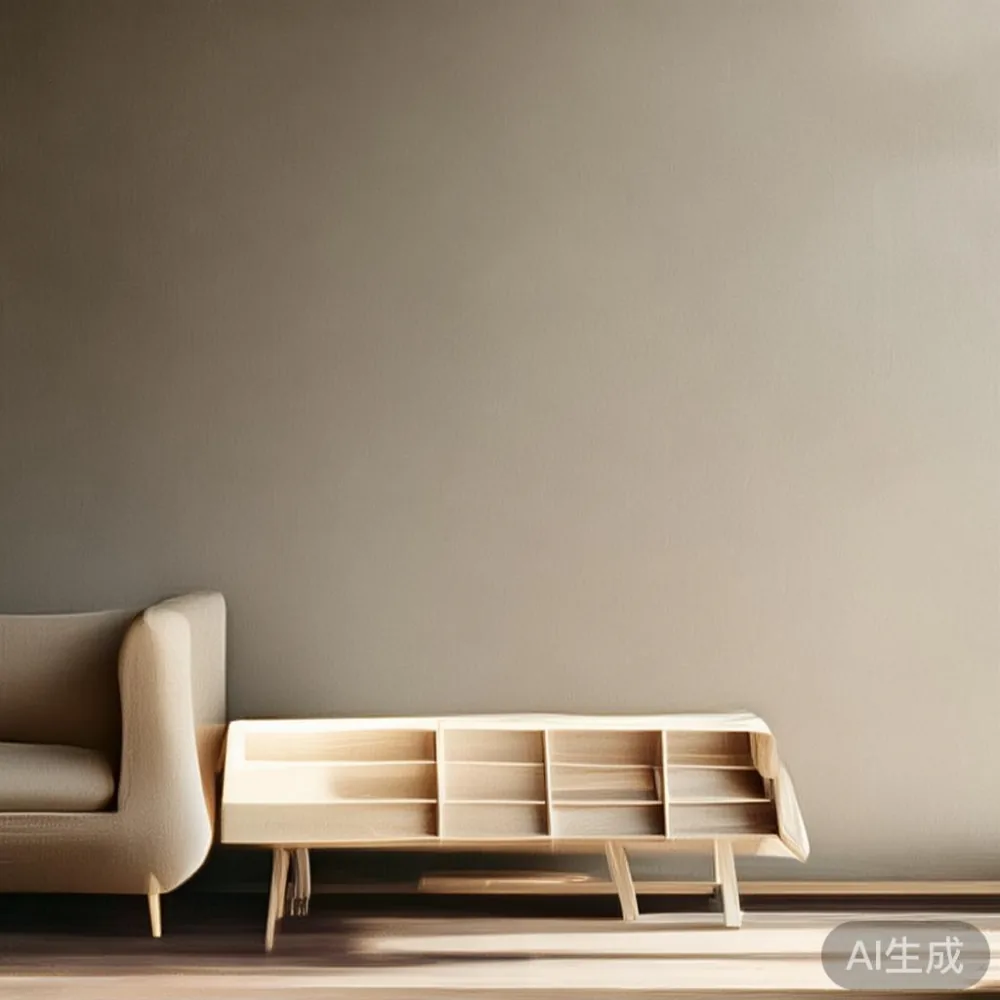
Light-luxury design does not require climate-controlled furniture. It requires quality materials, restrained proportions and repairable construction. French light luxury works well in an HDB flat through a solid wood sofa with pale upholstery and a compact 180–200 cm profile. American light luxury can suit a larger condominium with deep cushions and substantial timber lines. Post-modern light luxury often relies on clean geometry, stone accents and carefully balanced negative space. For anyone comparing the best French provincial sofa for 2026, durability should be judged alongside visual style: solid timber rails should be dry and smooth, joints should close cleanly, and the frame should feel stable before cushions are added.
How should I unbox and acclimatise furniture after delivery?
Allow the furniture to acclimatise for 24–72 hours before assembly when possible. Keep cartons closed if condensation is visible on the outside, because trapping that moisture can be worse than exposing dry packaging. If the carton is damp, separate the outer layer, improve airflow and inspect every component before assembly.
Singapore delivery arrangements matter because furniture may rest briefly in a corridor. Standard HDB lift cars are often around 80–120 cm deep and 90–140 cm wide, though older blocks and specific car models differ. A wardrobe carton should never be forced diagonally into a lift if doing so risks damaging its corners or the lift doors. MIDHILL’s delivery team can check access conditions, but shoppers should still provide the block, floor and lift dimensions at order stage.
Move heavy items during cooler, drier periods when possible. Protect floors with rigid boards or 3 mm foam under a 2 mm protective layer. A dining table weighing 55–90 kg may need 2–3 people; a marble table can exceed 100 kg and should be handled with a proper trolley and at least 2 trained movers. Never lift a marble top by its edge without confirming that the supplier’s instructions permit it.
Free delivery over US$350 is useful, but the quoted currency and Singapore conversion should be checked carefully. Local GST and final SGD payable amounts should be confirmed before payment, rather than assuming the overseas threshold automatically removes all local charges.
How can I reduce moisture inside a HDB flat or condo?
Start by locating humidity sources. Singapore’s year-round rain, cooking, laundry, drying clothes and air-conditioning can create local peaks. Use an inexpensive hygrometer in the living room, bedroom and near the wardrobe. A reader should be kept in the air for 5 minutes rather than placed against a cold wall or immediately above a drinks cabinet.
Maintain 50–65% relative humidity where practical. Improve ventilation after showers and cooking, run bathroom extraction for 15–20 minutes, and separate laundry from living areas. Dehumidifiers can help during sustained wet weather. A unit rated for a 25–35 m² room may remove roughly 8–18 litres of water per day under favourable conditions, although actual output depends on inlet humidity and temperature.
Do not place a solid wood wardrobe against an external wall with obvious thermal bridging. If space forces that arrangement, leave a 5–8 cm ventilation gap where safe and inspect for condensation. Keep timber 10–20 cm above the floor in a ground-floor landed home, and use coasters with a 2–3 cm margin around drinks. Clean surfaces every 2–4 weeks with a soft cloth dampened with plain water; avoid silicone-heavy sprays that can leave a moisture-catching film.
For bedroom furniture, the question of how to style French provincial sofa in apartment living can include both humidity control and spatial discipline. A 180–200 cm sofa in a 12–20 m² HDB living room should leave at least 70–90 cm of clear walking space. Coordinate oak, ash, walnut or similar suitable solid wood tones with light textiles, while avoiding the impression that every surface must be filled.
What should I check before calling a movement issue a defect?
Record the location, date, temperature and humidity. Use a straightedge across the dining table top and compare the gap between the top and the apron. Measure a bed rail at its fastener rather than at a knot, since local grain and moisture can create small differences. Inspect for standing water, leaks and repeated condensation before escalating.
Normal seasonal movement does not include a twisted top, a cracked structural rail, a loose corner that continues to move or widespread mould. For manufacturer-made pieces, keep your purchase documentation and ask the supplier about repair options rather than applying glue or filling compound yourself. Some minor surface work may be outside the structural warranty, but lifetime refinishing support can still provide a practical route forward, depending on the original finish and the product terms.
Light-luxury purchasing should include access planning. For designer French provincial furniture, confirm that every removable part can pass through the lift and corridor. Curved sofa arms can increase the carton length, while ornate wardrobe cornices can require turning. For French provincial for dining room layouts, ask for the largest assembled dimension and the maximum diagonal needed at the lift entrance. For wholesale European light luxury furniture, access documentation and moisture-conscious packing should be part of the specification, not a final afterthought.
One real example made the issue clear. Last month, I visited a client’s Bedok condominium with a dining table delivered from a previous move. The table had been stored for 5 weeks in an uncovered service corridor during a monsoon period. Its top showed a 4 mm width difference and the white oak edges felt cool and damp. After the room was ventilated for 48 hours, the gap reduced to about 2 mm and no joint required force. The same table would have caused more assembly difficulty if the components had been fastened while wet.
Is a marble table affected by Singapore humidity?
The marble itself changes very little, but the timber cradle, subframe, adhesive and levelling system still matter. A 120 cm round marble table may weigh 65–110 kg, while a larger rectangular version can exceed 140 kg. Keep the base level, avoid placing hot cookware directly on the stone and wipe spills within 10 minutes. Check every 3–6 months that the anti-tip fixings remain secure.
For buyers comparing the best Italian light luxury furniture, the stone grade, edge profile, base material and after-sales support are more informative than a country label alone. Italian light luxury can suit a high-rise condominium, yet the same installation rules apply in Tampines as in Milan: verify access, lifting weight, floor loading where relevant and the manufacturer’s care guidance.
Humidity-aware assembly is therefore not one extra step. It is the final stage of good furniture design. Allow materials to stabilise, measure access, work methodically and monitor the room. MIDHILL’s 10-year structural warranty and lifetime refinishing support provide confidence, while 14-day returns give buyers time to assess a piece in their own apartment. Use the return window to check fit, finish and movement after the furniture has spent at least 48–72 hours indoors.
For current product dimensions, assembly estimates, delivery timing in Singapore and the api.midhill.co catalogue, confirm details before purchase. The right solid wood dining table or bed frame should feel refined, fit the room and remain serviceable for years—even when the climate tests every joint.