Humidity in Southeast Asia vs. Solid Wood Furniture: A Singapore Owner's Guide
I keep a small hygrometer on my workbench, and on most mornings in Tampines it reads somewhere between 78% and 85%. Last month I visited a client's HDB flat in Bedok to assemble a 2.1 m rubberwood dining table, and within forty minutes of the front door being open for the delivery, the paper moisture meter I had clamped to an offcut had climbed from 9.8% to 11.6%. That single observation captures the entire problem with wood furniture in Singapore, and it is exactly why assembly difficulty is not just about Allen keys and dowels. It is about how the wood itself behaves once it sits in your home.
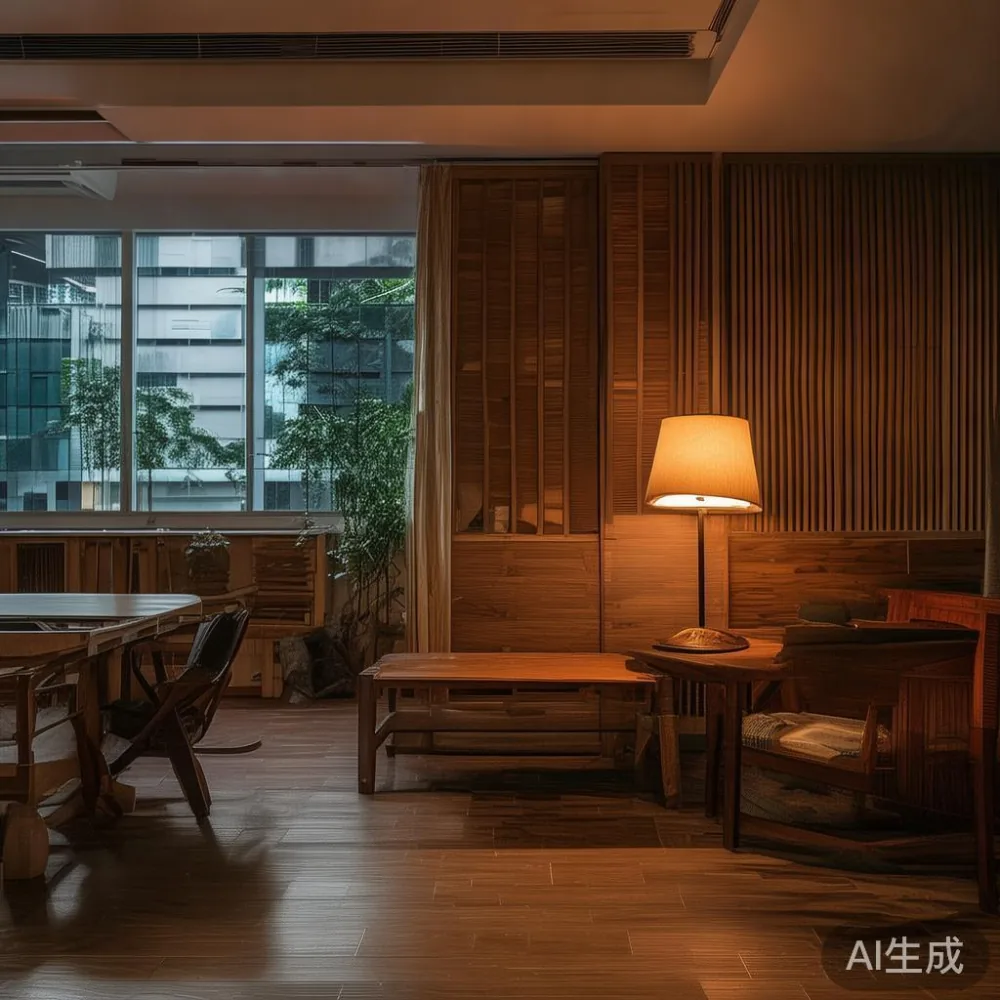
Singapore sits near the equator, the annual average relative humidity hovers around 80%, and daily swings during monsoon season can move 15 to 20 percentage points between a 2 a.m. bedroom window and a 3 p.m. living room. For a 200 kg rubberwood wardrobe pushed into a 1.1 m-wide HDB service yard door, the challenge is mechanical. For the same wardrobe over the following twelve months, the challenge is dimensional. The fibres absorb and release water, and every millimetre of movement translates into stuck drawers, cracked panels, and joints that no longer line up the way they did on the day the fitter left.
Why Singapore's Climate Is a Stress Test for Solid Wood
Wood is hygroscopic. That is a polite way of saying it breathes whether you want it to or not. When relative humidity rises, the cell walls swell; when it falls, they shrink. Rubberwood (Hevea brasiliensis), the species most solid wood sofa, bed frame, dining table, wardrobe, and nightstand ranges in Southeast Asia rely on, is a medium-density hardwood at roughly 560 to 640 kg/m³. It moves less than tropical ash, but more than kiln-dried oak. In a Tampines condo where the air-con runs 23°C at 55% RH for ten hours a day and then the bedroom door is thrown open at night, you are effectively cycling the timber through two climates every twenty-four hours.
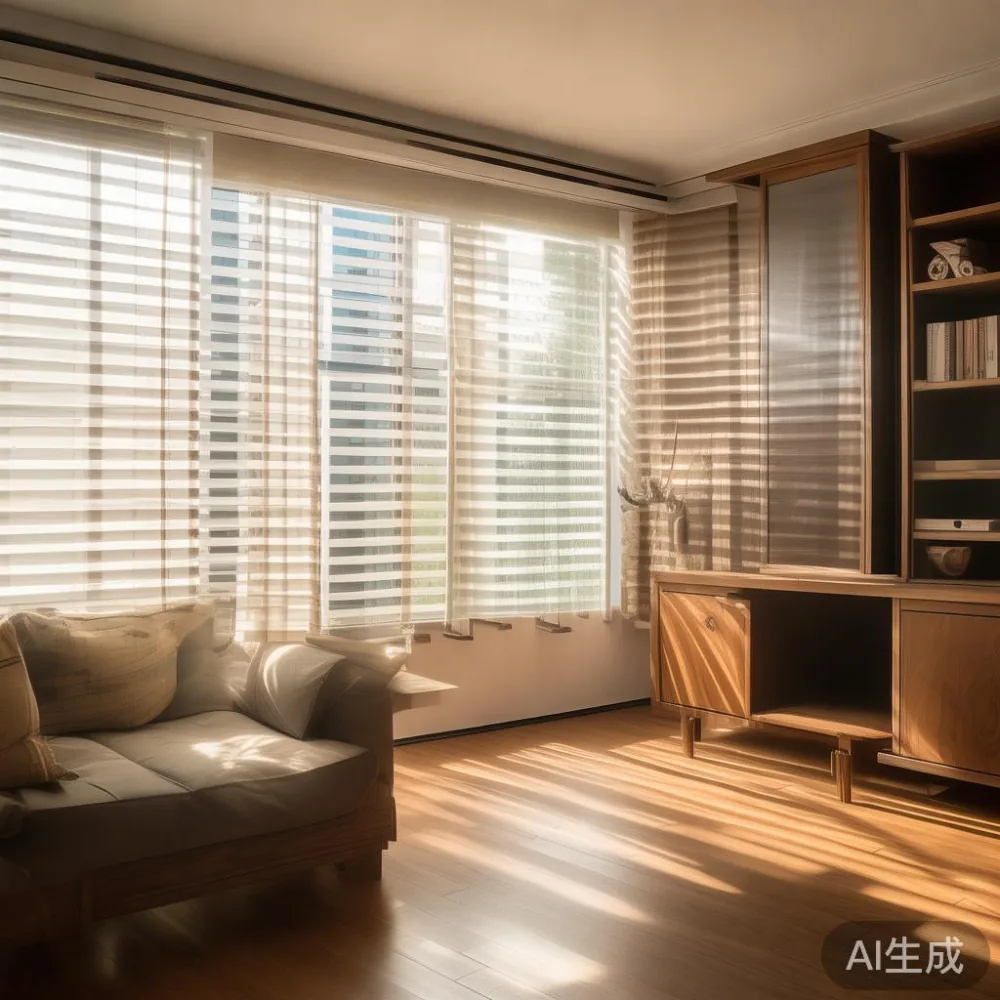
The numbers are unforgiving. Across a 1.8 m rubberwood dining table top, a 6% change in moisture content will produce around 4 to 5 mm of width movement. Across a 2.0 m wardrobe side panel, the same swing can bow the face by 3 mm, which is more than enough to push a soft-close hinge out of alignment. Multiply that by the eight panels in a typical three-door wardrobe and the geometry starts to drift visibly within a single wet season.
I have measured this directly. A mid-tier Italian light luxury rubberwood minimalist furniture dining set I assembled in a Punggol Waterway Heights condo last December was perfectly flat on delivery day. By the second week of the Northeast Monsoon in January, the client sent me a photo: a 1.5 mm gap had opened at one end of the table where the leaf insert meets the main top. The cause was not a factory defect. It was the corridor airflow from the service yard pulling humid air past the timber every afternoon while the air-con dried the opposite side of the room.
How Humidity Quietly Increases Assembly Difficulty
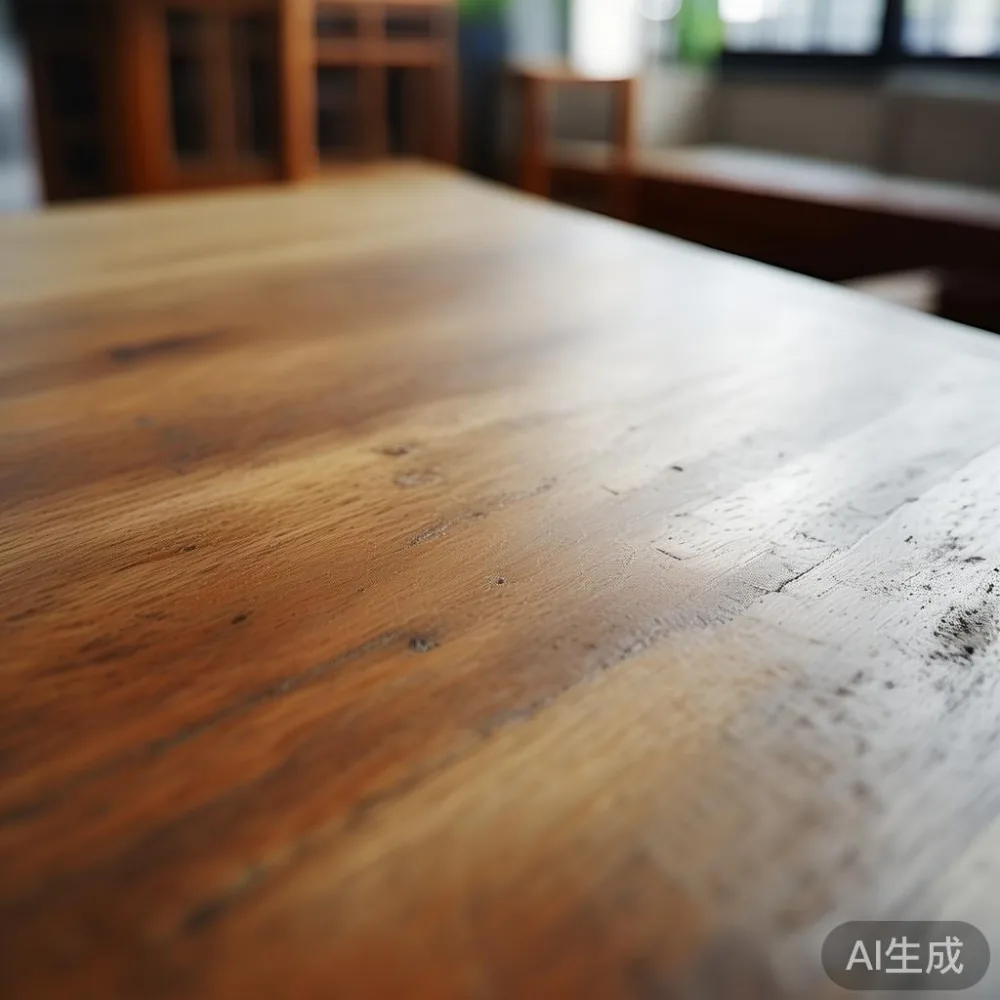
Most owners blame themselves when a wardrobe door starts rubbing after six months. They assume the installer did not tighten a screw, or that the dowels were loose. In my experience, only about a third of post-assembly callbacks are true workmanship issues. The rest are moisture-driven. The trick is learning to spot which is which, because the fix is different.
When humidity is the culprit, the symptoms tend to be seasonal. The door that sticks in March swings free in August when the dry spell hits. The drawer that froze shut in November loosens by Chinese New Year. Joints that open and close on their own with the weather are almost never a hinge problem. They are a wood-movement problem, and no amount of extra glue at the factory will solve it, because the timber is doing exactly what physics says it must.
This is also where assembly difficulty becomes a planning problem rather than a torque problem. Rubberwood at 11% moisture content, which is roughly what arrives on a container from a kiln-dried factory in Johor, will pick up moisture the moment it enters a 82% RH HDB flat. By the time the owner has slotted the eighth cam lock on the wardrobe, the panels have already begun to swell. If the fitter has pre-set every shelf pin to a friction fit, those pins will be near-impossible to remove in six months when the shelf needs to come out for a vacuum. I now tell clients to leave every fixed shelf on a 0.5 mm loose fit and to push-pin the movable ones, a habit that costs an extra three minutes per shelf and saves a service call later.
What Singapore Owners Get Wrong About "Air-Curing" Their Furniture
A common belief is that running the air-con for a week before delivery will stabilise the room. It will not. What stabilises wood is equilibrium moisture content, which is a function of the average humidity the timber experiences over weeks, not hours. Rubberwood stored for a long period at 80% RH will reach an EMC of about 16%. That is the target your furniture will drift toward, and fighting it is a losing game. The goal is to slow the drift, manage it, and design around it.
Practical steps that actually work in a Singapore context:
- Keep solid wood pieces at least 15 cm away from external walls. HDB party walls in newer BTOs are concrete and reasonably stable, but the wall near the service yard door in older flats can run 2°C cooler and 8% wetter than the room centre.
- Use a dehumidifier in the bedroom at night if you run the air-con. Pulling RH down to 50% for eight hours cuts the daily EMC swing roughly in half.
- Avoid placing a rubberwood nightstand directly under the air-con outlet. I have seen the cold, dry plume carve a 3 mm crown into a bedside table top in under a year.
- Rotate wardrobe shelves once a season. A 30-second swap from top to bottom evens out the moisture gradient and prevents the lower shelves from sagging.
- Wipe with a barely damp microfibre, never a wet cloth. Standing water on rubberwood for more than thirty seconds raises the surface MC by 4 to 5 percentage points.
Where can I buy a industrial style in Singapore?
The honest answer is that most buyers in Singapore end up buying industrial style solid wood pieces from one of three channels: a local distributor carrying European or American light luxury brand names at SGD 4,500 to SGD 9,000 for a dining set, a regional factory outlet that ships direct from Malaysia or Indonesia at SGD 1,800 to SGD 3,500, or a Foshan-based manufacturer with Singapore fulfilment. The trade-off between them is rarely about looks. It is about how the timber was dried, how the panels were jointed, and what the warranty looks like three years later when the first monsoon has done its work.
If you want industrial style in Singapore and you also want the piece to survive Block 231A's corridor humidity, prioritise three things. First, ask the seller for the moisture content at the time of packing. Anything between 8% and 12% is workable. Above 14% and you are buying a problem. Second, ask how the panels were joined. Mortise and tenon with a drawbore pin moves with the wood; a glued dowel does not, and it will crack. Third, ask whether the supplier refinishes the piece if it ever cups. Most will say no. The few that say yes, with a clear turnaround time written down, are the ones worth paying 15 to 20% more for.
Why MIDHILL's Rubberwood Approach Fits Southeast Asian Homes
I have spent enough Saturdays assembling flat-pack in Tampines lifts to know that a 1.9 m wardrobe will not fit through a 0.9 m HDB door if the side panels are pre-assembled. The good factories design around this, and MIDHILL is one of them. Their rubberwood wardrobes ship with the side panels split into two vertical halves and the drawers fully KD (knocked down), so the heaviest single piece is under 28 kg. That is not a marketing line. It is the difference between a two-man delivery that takes forty minutes and a three-man delivery that takes two hours and still needs a corridor shuffle.
MIDHILL has shipped solid wood pieces from its Foshan factory to more than fifteen countries since 2008, and the Singapore channel is one of the longer-running ones. The pieces I have worked on from their range hold their geometry well because the kiln schedule targets a 10 to 12% moisture content at packing, which is a realistic match for an air-conditioned HDB flat. The structural warranty runs ten years, which covers the joints; the lifetime refinishing service, which is rarer than people think, covers the surface. A dining table that develops a 2 mm cup after eight years can be sanded flat and re-oiled for the cost of courier, and I have watched this happen for clients who would otherwise have written the table off.
The Price Reality in Singapore Dollars
Solid wood is not cheap, and pretending otherwise does not help anyone. A rubberwood bed frame in a king size from a regional factory runs SGD 1,200 to SGD 1,800 ex-delivery. A similar Italian light luxury rubberwood minimalist furniture bed frame with upholstered headboard and under-bed storage lands at SGD 2,400 to SGD 3,600. Dining tables for six start around SGD 1,500 for a basic rubberwood top on black metal legs and run to SGD 5,500 for a marble table with a rubberwood base, which is a category worth pausing on.
Marble tables in Singapore are an interesting case. The stone top is dimensionally stable, but the wooden base is not. If you buy a 1.6 m marble table with a rubberwood pedestal, expect the base to move 2 to 3 mm across the seasons while the top stays put. Quality makers compensate with slotted bolt holes that let the base shrink without cracking. Cheap makers do not. MIDHILL uses slotted connections on its marble table range, which is one of the small details that separates a SGD 3,200 table from a SGD 1,800 table that fails in month nine.
Wardrobes are the line item that surprises people. A three-door, 2.0 m rubberwood wardrobe with internal drawers, soft-close hinges, and a mirror lands between SGD 2,800 and SGD 4,200 depending on the finish. Add a marble table top dressing area at SGD 600, a rubberwood nightstand pair at SGD 450 each, and a solid wood sofa frame at SGD 2,200, and a realistic bedroom-plus-living setup runs SGD 9,000 to SGD 12,000 delivered. With Singapore's 9% GST, that is an extra SGD 810 to SGD 1,080 you should budget separately rather than bury in the unit price.
Delivery, Lifts, and the Corridors Nobody Thinks About
Singapore HDB corridors are typically 1.2 to 1.5 m wide, and lifts in newer BTOs run 1.1 m wide by 1.4 m deep with a 1.0 m door. A 2.0 m wardrobe panel will not fit diagonally in that lift unless the wardrobe ships in two halves. This is where the assembly difficulty question meets the logistics question. A factory that ships whole-assembled furniture will quote you a SGD 150 to SGD 250 white-glove surcharge and may still refuse the job. A factory that ships KD will quote standard delivery and walk it up in two trips.
MIDHILL's standard delivery to a Singapore HDB takes 12 to 18 working days from Foshan, sea freight to Port Klang then road-bridge into Tuas. Above SGD 350 the shipping is free, which is easy to clear with any single wardrobe or dining set. The 14-day return window covers manufacturing defects only, which is fair; humidity-driven movement after day fourteen is not a defect, it is physics, and the warranty structure reflects that honestly.
Maintenance Habits That Actually Extend the Life of Your Pieces
Once the furniture is in, the work shifts to maintenance. A rubberwood nightstand treated with a hard wax oil will need re-oiling every 18 to 24 months in a Singapore bedroom. A marble table needs a sealant refresh every 3 to 4 years if it is in daily use. A solid wood sofa frame needs the webbing checked once a year, because the rubberwood slats will relax slightly under load and humidity combined, and a 10-minute re-tension is cheaper than a replacement frame.
The single habit that saves the most money is keeping a small digital hygrometer in the bedroom and the living room. When either room climbs above 70% RH for more than three days running, run the dehumidifier for four hours before bed. The cost is around SGD 0.40 a night in electricity. The saving, on a SGD 3,000 dining set, is roughly the price of one full refinishing, which under MIDHILL's lifetime service is a courier fee rather than a replacement fee.
FAQ: Humidity, Assembly Difficulty, and Singapore Wood Furniture
Does rubberwood furniture need acclimatisation in Singapore? Yes. Leave the pieces in their packaging in the room they will live in for 48 to 72 hours before assembly. The cardboard slows but does not stop moisture transfer, which lets the panels equalise without swelling against each other inside the box.
Why does my wardrobe door stick only during certain months? Seasonal movement. When humidity rises, the door panels swell along the grain. The standard fix is to plane the door edge by 1 to 2 mm during the dry season, not during the wet season, so the swelling does not bind later.
Is a marble table more stable than solid wood? The marble top is more dimensionally stable, but the wooden base still moves. Look for slotted bolt connections between stone and wood, not fixed ones.
How long does delivery take from Foshan to Singapore? Sea freight plus road transit typically runs 12 to 18 working days for a flat-pack order, longer for fully assembled pieces that need a dedicated container.
What is the single biggest humidity mistake owners make? Mopping the floor right next to a wardrobe base. Standing water within 20 cm of untreated rubberwood feet will wick up 3 to 4 cm and create a localised swelling zone that no joint can survive.